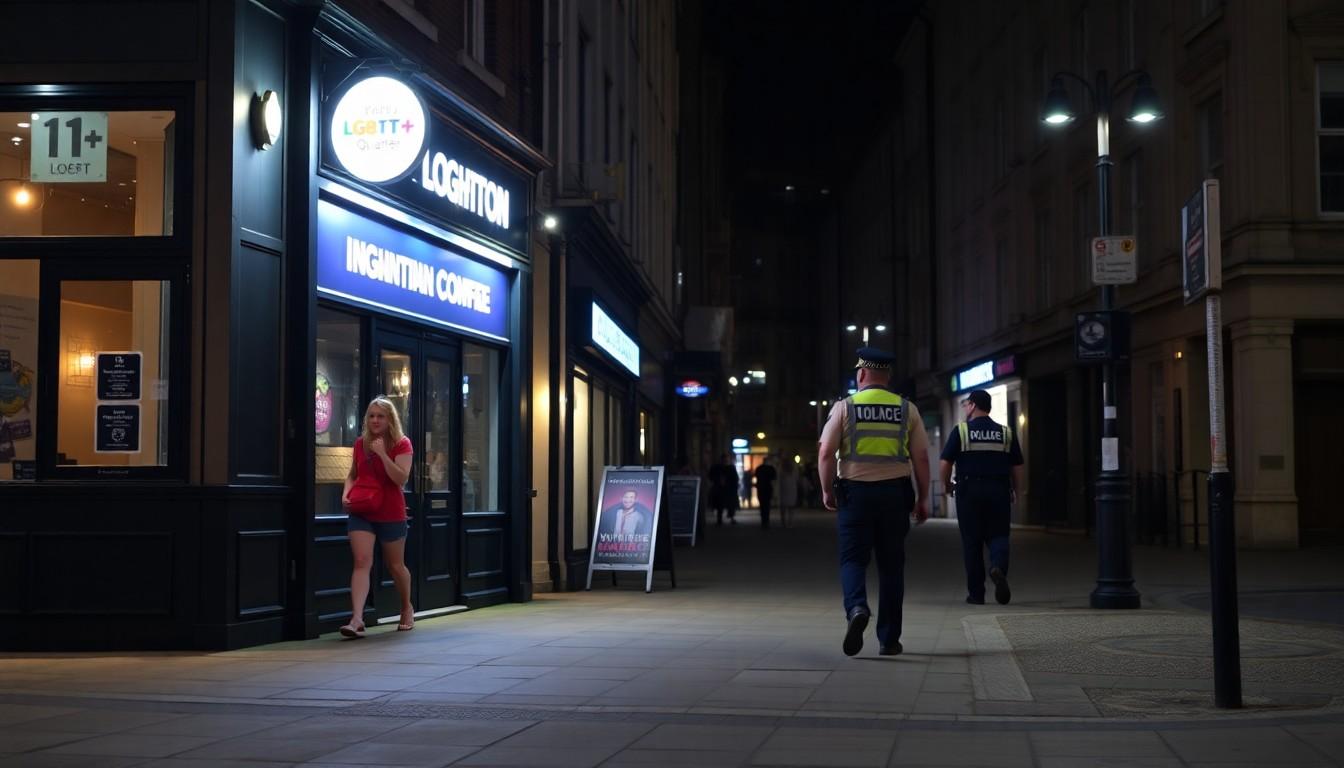
Brighton’s LGBTQ+ venues are joining forces after two prominent bars announced closures, launching a five-point plan aimed at protecting queer nightlife, improving safety and keeping the city’s celebrated scene thriving beyond Pride season.
Essential Takeaways
- Two major closures: R-Bar and Charles Street Tap have both shut after long service to Brighton’s LGBTQ+ community.
- A united response: Twelve local venues have formed the Brighton LGBTQ+ Business Group.
- Five priorities: The plan covers recognition, investment, safety, licensing and year-round promotion.
- Immediate action: Eight night safety marshals are being restored, with lighting and CCTV also under review.
- A wider challenge: Operators want a long-term strategy for Brighton’s evening and overnight economy.
Two familiar venues have closed
Brighton’s queer nightlife has lost two well-known names in quick succession. R-Bar held its final night on 20 September, while Charles Street Tap had already closed earlier in the month, leaving a noticeable gap along Marine Parade.
The closures are more than a commercial story. These venues have offered somewhere to meet, dance, find community and feel at ease, often under the soft glow and noisy energy that make a night out memorable. Earlier reports from Gaydio and Brighton and Hove News highlighted the significance of the losses after decades of service to local LGBTQ+ customers.
Rising costs and pressure on hospitality have added to the strain facing independent nightlife businesses. The Morning Advertiser reported that financial pressures were among the factors behind the closures, while We News described the venues as long-standing parts of Brighton’s LGBTQ+ scene.
Twelve venues are backing a shared plan
In response, managers from the closed venues have joined ten other businesses to create the Brighton LGBTQ+ Business Group. Supporters include Bar Broadway, Brighton Cruise Bar, the Camelford Arms, Legends, Marine Tavern, Revenge, The Birdcage, The Brighton Sauna, The Bulldog and The Queens Arms.
That collective approach matters. A single venue can raise concerns, but a group representing much of the local scene is harder to overlook. Attitude reported that the businesses are seeking practical measures to rebuild Brighton’s queer nightlife, rather than relying on goodwill or seasonal attention.
The group’s five-point plan focuses on formal recognition of the LGBTQ+ Quarter, greater investment, better safety, a more supportive licensing system and sustained promotion. The area covers St James’s Street, Marine Parade and nearby roads, where Brighton’s queer nightlife is especially concentrated.
Safety is moving up the agenda
Safety sits at the heart of the proposals, and some measures are already being developed. Brighton and Hove City Council has committed to restoring eight night safety marshals, reviewing lighting and CCTV, and making the LGBTQ+ Quarter easier to identify.
That practical detail is welcome because a safer night out depends on more than what happens inside a venue. Clear routes, reliable transport, visible staff and well-lit streets can make the difference between staying for another drink and heading home early. Scene Magazine reported that the plan was discussed with council and police representatives, with monthly meetings intended to monitor progress.
For visitors, the message is simple: look for venues with clear safety policies, stay with friends where possible and plan the journey home before the music starts. It sounds basic, but dependable late-night infrastructure helps customers and businesses alike.
Why year-round promotion matters
Brighton’s LGBTQ+ identity attracts visitors from across the UK, yet operators say the city needs to promote its queer scene throughout the year, not just around Pride. That means supporting winter tourism, encouraging longer stays and connecting nightlife with accommodation, transport and daytime attractions.
The proposed strategy covers the full 6pm to 6am economy, a useful reminder that nightlife isn't only about bars and clubs. It includes taxi journeys, hotel bookings, restaurant visits, security work and the many small businesses that benefit when people feel confident staying out late.
Chris Ward, MP for Brighton Kemptown and Peacehaven, told The Argus that the venues are businesses and employers as well as safe spaces and community hubs. Attitude similarly framed the campaign as an attempt to protect a vital part of Brighton’s cultural and economic identity.
Licensing and investment could shape what comes next
The group is also asking for a licensing environment that enables responsible operators to survive. That could mean more constructive dialogue with venues, clearer long-term planning and recognition that LGBTQ+ businesses often provide a distinct community role alongside their commercial function.
Council representatives, licensing officials, police and venue operators discussed the proposals at a meeting on 7 September. According to The Argus, monthly meetings will now track both immediate and longer-term action, while Scene Magazine reported that the partnership is intended to turn the plan into practical change.
The outlook will depend on whether those conversations lead to visible investment rather than another stack of well-meaning promises. Still, the decision to work together is an encouraging start. As any Brighton regular knows, a lively queer quarter isn't just a collection of doorways. It's a network of people, memories and places that make the city feel like itself.
Brighton's LGBTQ+ venues are fighting for a safer, stronger nightlife that lasts all year.
Source Reference Map
Story idea inspired by: [1]
Sources by paragraph:
- Paragraph 1: [2], [3]
- Paragraph 2: [4], [5]
- Paragraph 3: [6], [7]
- Paragraph 4: [7], [6]
- Paragraph 5: [2], [4]
- Paragraph 6: [5], [7]
- Paragraph 7: [6], [7]
- Paragraph 8: [2], [5]
- Paragraph 9: [3], [4]
- Paragraph 10: [6], [7]
- Paragraph 11: [5], [7]
- Paragraph 12: [2], [6]
- Paragraph 13: [3], [7]
- Paragraph 14: [5], [6]