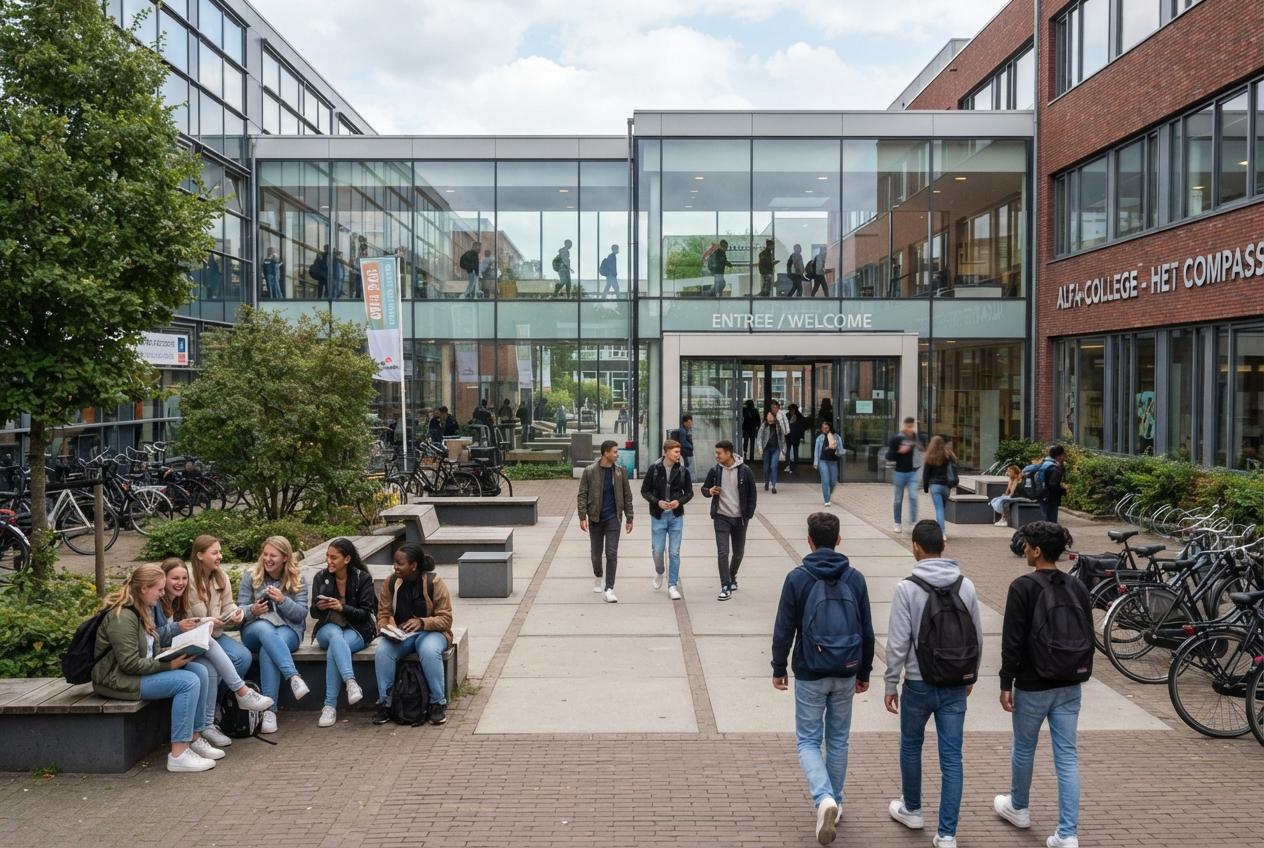
Students in Groningen are describing a striking contrast: bullying and exclusion at some secondary schools, but a more accepting atmosphere at vocational colleges. Their experiences arrive as new Dutch research points to a sharp decline in young people’s acceptance of homosexuality, making open conversation at school more important than ever.
Essential takeaways
- Acceptance is falling: Recent research shows a marked decline among Dutch teenagers, particularly boys.
- School experiences differ: Some students report physical intimidation and exclusion, while others feel comfortable being themselves.
- Visibility matters: Young people say honest classroom discussion can challenge prejudice before it becomes bullying.
- Vocational colleges offer hope: Several students describe their current MBO schools as calmer, more welcoming places.
- Small actions help: Staff should respond quickly to slurs, exclusion and harassment, rather than treating them as harmless jokes.
A safer college can feel like a fresh start
For Nikola, 17, and Iris, 16, the difference between their old schools and Noorderpoort College in Groningen is hard to miss. Both are now studying baking, and they say the new environment feels more relaxed, with students freer to be themselves.
That sense of relief matters. Nikola recalls classmates at her former school in Hoogeveen being attacked and pushed aside because of their sexuality. Iris remembers a student in Eelde being excluded even before he had come out. According to Trimbos, young people’s attitudes towards homosexuality have nevertheless become considerably less accepting in recent years.
A friendly corridor or easy classroom atmosphere might sound ordinary, but for students who have faced hostility, it can feel like a quiet reset. No teenager should have to calculate whether being open about who they are will make them a target.
The numbers point to a worrying reversal
Acceptance of homosexuality had generally risen among Dutch school pupils for years. New findings from Trimbos and Utrecht University suggest that progress has gone into reverse among 12- to 16-year-olds, with the decline especially pronounced among boys.
The figures reported by Dutch news outlets are stark. The proportion of girls expressing acceptance has fallen from 78 per cent five years ago to 51 per cent, while among boys it has dropped from 40 per cent in 2021 to 22 per cent more recently. Coverage by Transport Online and Hart van Nederland has highlighted the same concern.
These numbers don't mean every classroom has suddenly become hostile. Roman, 17, who studies barbering in Groningen, says he notices little homophobia in his largely male class. Eline, 17, at Alfa-college, has had a similar experience. But the gap between national trends and local experiences is precisely why schools shouldn't assume everything is fine.
Why talking about sexuality still matters
Iris believes schools need to discuss same-sex relationships more openly. That doesn't mean turning every lesson into a lecture, but it does mean making clear that LGBTQ+ students belong, and that insults or intimidation aren't simply part of growing up.
The University of Amsterdam has described young people's views on LGBTQ+ issues as varied, rather than neatly divided into one national mood. That nuance is important. Some teenagers are supportive, some are uncertain, and others may repeat hostile ideas picked up online or from their surroundings.
Still, silence leaves the loudest voices in charge. A short, thoughtful conversation in tutor time, clear school rules and visible support from staff can make a real difference. As Eline puts it, people don't choose who they are attracted to, and hostility towards someone for that reason isn't acceptable.
What schools can do before bullying escalates
The first step is to treat homophobic language as a serious warning sign, not background noise. Staff should record incidents, check in privately with the targeted student and explain clearly to the wider group why the behaviour is harmful.
Schools also need more than a poster during Pride month. Students should know who they can approach, whether that's a tutor, safeguarding lead, counsellor or trusted teacher. Practical support is especially important for pupils who haven't come out and may be anxious about being identified.
Parents have a role too. Asking what a child hears online, challenging casual slurs and avoiding assumptions can open the door to a useful conversation. It may feel awkward at first, but awkward is better than leaving prejudice unexamined.
A mixed picture, and a chance to act
The students' experiences show that the picture isn't hopeless. At Noorderpoort and Alfa-college, young people describe spaces where they can focus on their courses and feel accepted. That everyday normality is powerful, even if it rarely makes headlines.
But the national fall in acceptance should be treated as a prompt for action, not a reason for panic. Research reported by WNL and Fok has fuelled a wider debate about social tolerance, while the students themselves offer a practical answer: talk about it, take exclusion seriously and make belonging visible.
For many teenagers, acceptance won't arrive as a grand statement. It'll be a classmate sitting beside them, a teacher stepping in, or a school making it clear that nobody has to earn the right to belong.
It's a small standard to set, but an essential one.
Source Reference Map
Story idea inspired by: [1]
Sources by paragraph:
- Paragraph 1: [2], [3]
- Paragraph 2: [2], [6]
- Paragraph 3: [1], [2]
- Paragraph 4: [1], [3]
- Paragraph 5: [2], [5]
- Paragraph 6: [7], [4]
- Paragraph 7: [1], [2]
- Paragraph 8: [1], [7]
- Paragraph 9: [2], [5]
- Paragraph 10: [4], [6]
- Paragraph 11: [1], [2]
- Paragraph 12: [3], [7]
- Paragraph 13: [4], [6]
- Paragraph 14: [1], [2]