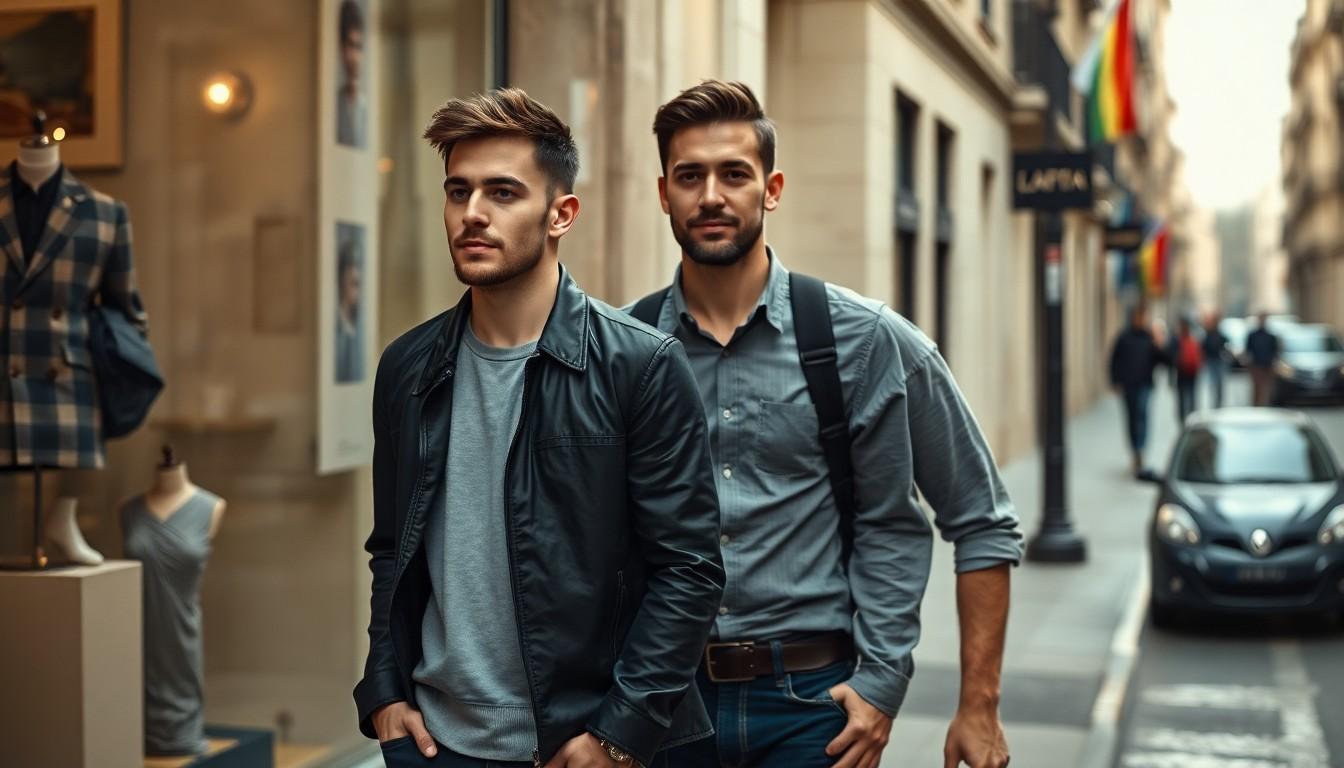
Readers are being invited past Milan's polished fashion image and into the private lives of its gay men. Elska Milan, the 61st issue of the independent queer photography magazine, pairs intimate portraits with personal stories, offering a warmer, more vulnerable view of the city than its catwalk reputation usually allows.
Essential Takeaways
- A different Milan: The issue looks beyond luxury and tailoring to everyday queer life.
- Real people, not models: Local men appear in their own spaces, often for their first professional nude portraits.
- Two photographers: Liam Campbell and Milan-based Mauro Padula split the shoots, bringing contrasting perspectives.
- Personal storytelling: The images are paired with self-written vignettes, making the issue feel candid and lived-in.
- Available now: Elska Milan and its companion zine, Ekstra Milan, can be bought through Elska and selected independent bookshops.
Milan without the polished armour
Milan is usually presented in sleek lines: immaculate suits, glossy shopfronts and the controlled drama of fashion week. Elska Milan takes that familiar image and gently turns it inside out, replacing showroom perfection with bedrooms, streets and bodies that feel unmistakably real.
The result isn't an attack on fashion so much as a playful disruption of it. According to Queer Guru, the issue focuses on local gay men whose stories and portraits challenge the idea that Milan's queer identity must be presented through glamour alone.
That shift gives the photography a close, almost tactile quality. A pose can still feel theatrical, but the mood is less campaign shoot and more an invitation into someone's world.
Why Elska chose everyday men
Elska has long built its identity around photographing people rather than professional models. For this Milan edition, that approach becomes especially meaningful because the city is so strongly associated with visual perfection.
The magazine's official Milan edition presents a collection centred on local men and personal narratives, while the wider Elska platform continues its international focus on queer lives and place-based storytelling. The appeal is clear: these aren't anonymous faces selected to sell a mood. They're participants with their own voices.
Several of the men photographed had never posed nude for a camera before. That unfamiliarity brings a little tension to the images, but also a sense of trust. The most compelling portraits often arrive when confidence and uncertainty sit side by side.
Two photographers, two ways into the city
Issue 61 is notable for its collaboration between editor and chief photographer Liam Campbell and Milan-based photographer Mauro Padula. Each handled half of the shoots, creating a conversation between an outsider's curiosity and a local photographer's knowledge.
That dual perspective matters. A visitor might notice the city's contradictions first, while someone based there may recognise the small details that make them ordinary. Together, the photographs can move between discovery and familiarity without settling into a single, overly neat view of Milan.
Elska's broader publishing history also helps explain the format. As coverage in Twisted Male Mag notes, the magazine has spent years documenting gay life across different places, using photography and first-person stories to build something more intimate than a conventional travel feature.
The nude portrait as a change of pace
Nudity here isn't simply decorative. It works as a way of removing some of the social costume that cities, industries and fashion cultures encourage people to wear.
That doesn't make the pictures joyless or solemn. The tone can be erotic, funny and mischievous, with the men reclaiming the visual language of commercial fashion for their own purposes. The effect is less "look at this perfect body" and more "this is what confidence, curiosity and vulnerability can look like in real life".
For readers choosing whether to buy the issue, the personal texts are just as important as the images. They provide context that a beautifully lit portrait alone can't offer, turning the publication into a small archive of voices as well as a photography book.
A more personal souvenir of Milan
Elska Milan arrives with a companion zine, Ekstra Milan, giving readers two related ways into the project. The main issue offers the fuller editorial experience, while the zine adds another layer to the city's portrait.
Both are available through Elska's website and selected independent bookshops, as listed by the publication's print catalogue. That independent-bookshop route feels fitting: this is the sort of object made for browsing slowly, not scrolling past in a feed.
In a city famous for selling an image of itself, Elska offers something more generous. It shows Milan as a place inhabited by people who are stylish, awkward, sensual, funny and vulnerable all at once. That's a much more interesting kind of elegance.
It's a small, intimate rebellion against the perfectly finished city.
Source Reference Map
Story idea inspired by: [1]
Sources by paragraph: