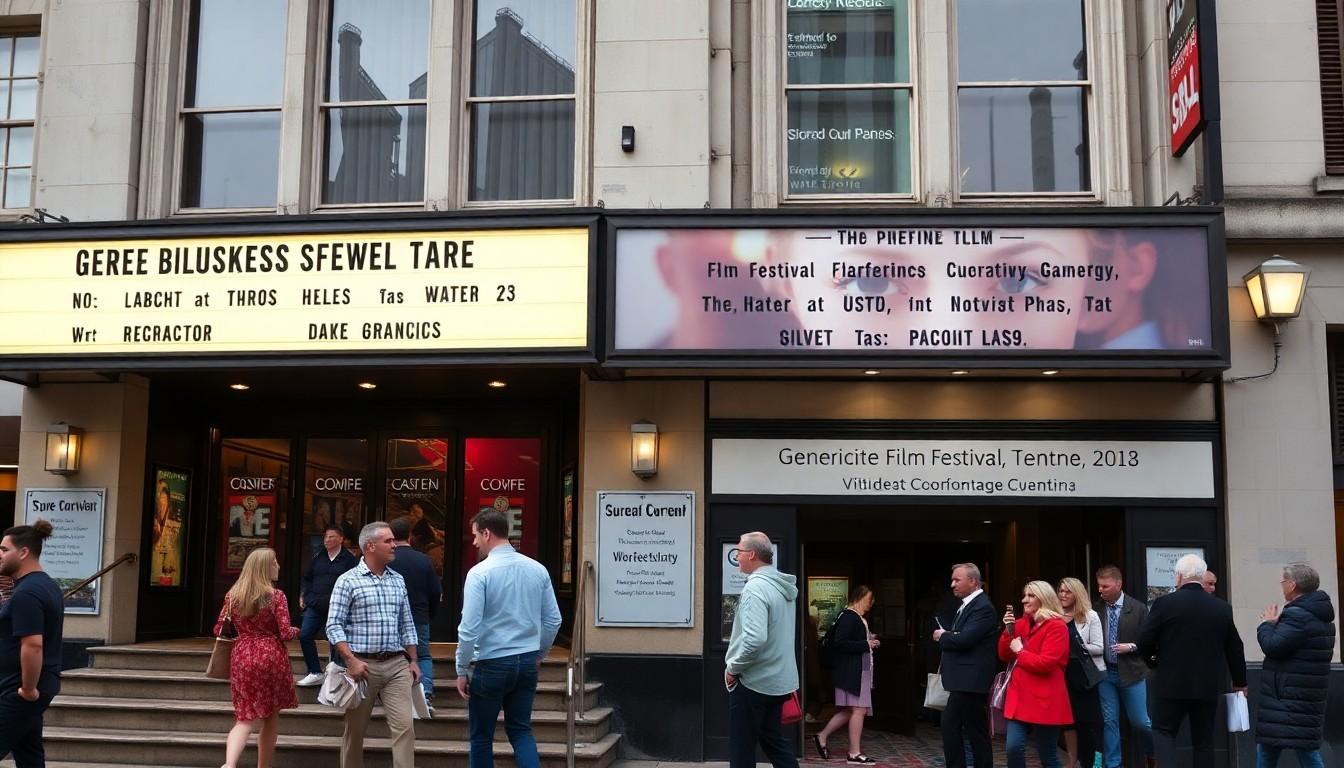
Londoners can explore queer Latin American cinema, from Cuba’s LGBTQ+ history to a celebrated Chilean drama, when the London Latino Film Festival arrives across the capital from 2 to 6 October 2026. With screenings, filmmaker introductions, drag, DJs and a glittering social night, the festival offers both thoughtful storytelling and a properly joyful night out.
Essential Takeaways
- A new festival milestone: LoLaFF is billed as London’s first competitive Latino film festival, with 60 films from 27 countries.
- Queer stories take centre stage: The programme spans political history, grief, romance, identity and everyday joy.
- Standout screenings: Look out for ¡Quba!, Baracoa and A Fantastic Woman.
- More than cinema: The Queer Social pairs drag performances and DJ sets with Lady Olé at Penny Squares.
- Seven London cinemas: Screenings take place across venues including the ICA, Regent Street Cinema and Lumiere.
A bold new chapter for London’s Latino film scene
London’s cinema calendar is gaining a colourful new fixture. LoLaFF’s inaugural edition runs from 2 to 6 October 2026, bringing films from Latin America and its diasporas to seven cinemas across the capital, according to the festival’s official announcement.
The queer strand is particularly inviting because it refuses to reduce LGBTQ+ stories to one mood. There’s political struggle, tender connection, family tension and a healthy dose of sparkle too. For audiences, that makes the programme feel less like a themed sidebar and more like a living portrait of queer life.
The wider festival features 60 films from 27 countries, alongside guests including Óscar Martínez, Jorge Perugorría and Cuban ballet star Carlos Acosta. That scale gives the event a welcome sense of ambition for its first edition.
Cuba’s queer history gets the big-screen treatment
One of the most substantial entries is ¡Quba!, screening at the ICA on Saturday 3 October. The film follows Cuba’s LGBTQ+ revolution through the lives of trans politician Adela Hernandez and cultural pioneer Ramon Silverio, connecting personal experience with decades of social and political change.
Its story reaches towards Cuba’s 2022 marriage equality victory, giving the screening a clear historical arc. A filmmaker introduction is also planned, which should add useful context to a film already rooted in a complex national conversation.
Then comes Baracoa, at Lumiere on Tuesday 6 October. Its premise is more intimate but no less striking: a homophobic man and a drag queen travel across Cuba to scatter his father’s ashes. Grief is the starting point, but the real journey is towards recognition, discomfort and an unlikely bond.
That pairing is smart programming. ¡Quba! offers a broad historical view, while Baracoa brings the emotional stakes close enough to touch.
Why A Fantastic Woman still feels essential
The programme also revisits Sebastián Lelio’s Oscar-winning A Fantastic Woman, known in Spanish as Una Mujer Fantástica. It screens at Regent Street Cinema on Sunday 4 October, with screenwriter Gonzalo Maza scheduled to introduce it.
The 2017 Chilean drama follows Marina, a transgender waitress and aspiring singer in Santiago, after the sudden death of her older partner. Her grief is complicated by suspicion and transphobia from those around her, turning an already painful moment into a battle over dignity and belonging.
For viewers discovering the film now, the event offers more than a familiar award-winner. Hearing from Maza should make the screening feel like a conversation with the film’s creative history, rather than a simple return visit. For first-timers, meanwhile, it’s a strong entry point into the festival’s wider queer programme.
Short films bring the playfulness
Not every queer story at LoLaFF arrives with a sweeping historical backdrop. The shorts programme makes room for smaller, stranger and more playful ideas, including Tratto and Merlyn’s Beard.
In Tratto, a new worker arrives at the Tratto family home and an unexpected feeling begins to grow. The setup hints at a quietly intimate story, where a change in household routine opens the door to something more complicated.
Merlyn’s Beard takes a more whimsical route. Its transgender wizard wants a beard so he can fit in with, and resemble, the figures he admires. It’s a neat example of how fantasy can make identity questions feel vivid, funny and accessible without sanding away their emotional truth.
Both films sit within LoLaFF’s short-film offering, including the Culture in Motion programme. Short films can be the festival’s secret weapon: quick, surprising and often willing to take a creative leap that a feature might avoid.
Expect sequins at the Queer Social
The most sociable part of the programme arrives on Sunday 4 October with the LoLaFF Queer Social at Penny Squares in Hilton’s Canopy. Created with Lady Olé, the long-running Spanish-language queer party, the event promises drag performances and DJ sets.
It’s a useful reminder that film festivals aren’t only about sitting quietly in the dark. The Queer Social gives audiences a chance to meet, dance and carry the festival’s energy beyond the cinema foyer. With October’s earlier sunsets, a room full of DJs, sequins and stage lights sounds like a very persuasive antidote to the seasonal gloom.
The partnership with Lady Olé also adds local credibility. Rather than importing a ready-made party format, LoLaFF is connecting its film programme with an established queer Spanish-language community in London.
How to plan your LoLaFF visit
If you’re mainly interested in queer Latin American cinema, start with the dates and venues. ¡Quba! is at the ICA on 3 October, A Fantastic Woman is at Regent Street Cinema on 4 October, and Baracoa is at Lumiere on 6 October. The short-film programmes add flexibility if you’d prefer a compact introduction.
It’s worth leaving time around the screenings, especially if you’re attending a filmmaker introduction or the Queer Social. Festivals are often at their best when the schedule leaves room for an unplanned conversation, a last-minute film choice or a drink with someone who’s just watched the same story.
LoLaFF’s first edition looks set to offer both cinematic range and a strong sense of occasion. For queer audiences and allies, it could become one of October’s most distinctive cultural appointments.
Explore the programme, pick a screening and leave room for a little glitter afterwards.
Source Reference Map
Story idea inspired by: [1]
Sources by paragraph:
- Paragraph 1: [3], [5]
- Paragraph 2: [2], [4]
- Paragraph 3: [3], [5]
- Paragraph 4: [6], [7]
- Paragraph 5: [2], [4]
- Paragraph 6: [2], [6]
- Paragraph 7: [2], [4]
- Paragraph 8: [2], [4]
- Paragraph 9: [2], [4]
- Paragraph 10: [4], [5]
- Paragraph 11: [2], [4]
- Paragraph 12: [2], [7]
- Paragraph 13: [2], [5]
- Paragraph 14: [3], [4]
- Paragraph 15: [4], [6]
- Paragraph 16: [2], [4]
- Paragraph 17: [2], [7]
- Paragraph 18: [3], [5]
- Paragraph 19: [4], [6]
- Paragraph 20: [2], [5]