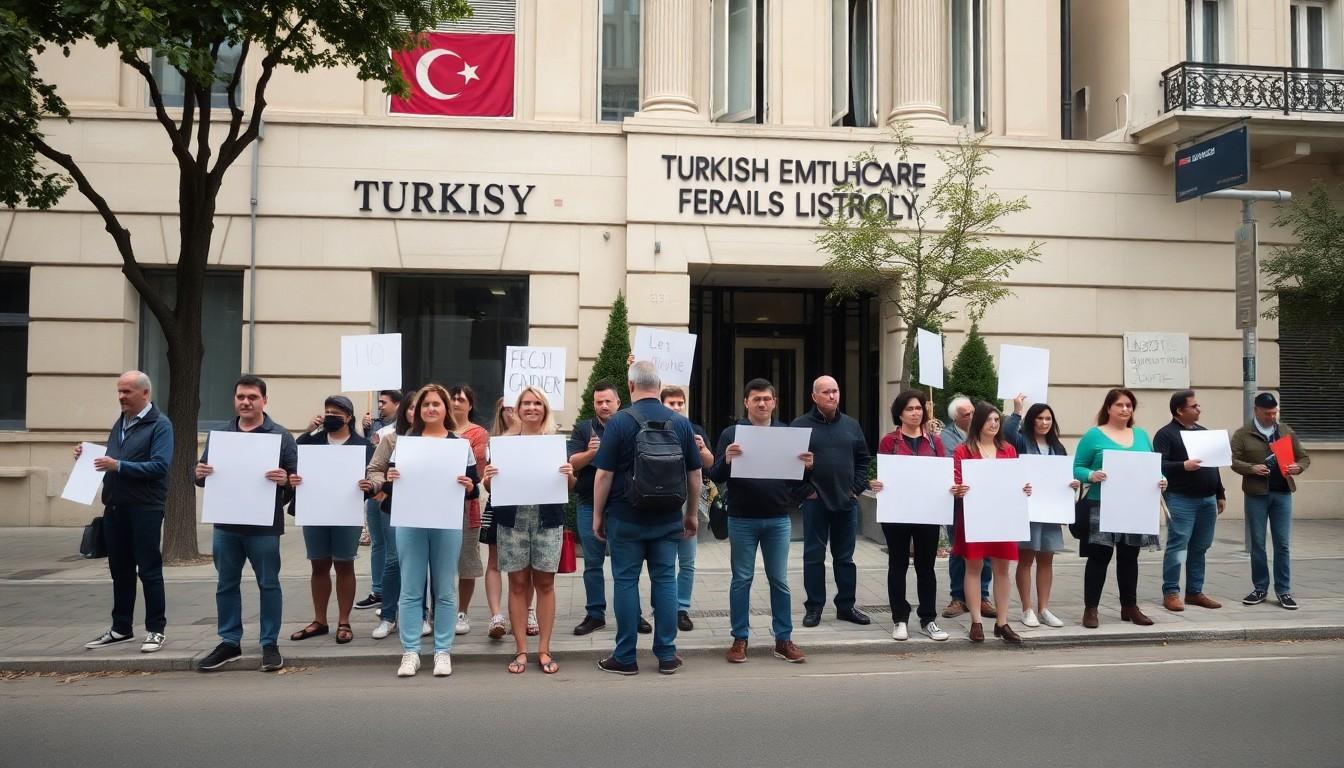
LGBTQI+ groups in Greece are calling people to a solidarity rally outside Turkey's embassy in Athens, responding to reported restrictions, arrests and Pride bans in Turkey. The Friday demonstration aims to defend freedom of expression and assembly while warning that hard-won equality protections remain vulnerable across the region.
Essential Takeaways
- Where and when: The rally is scheduled outside Turkey's embassy, 11 Vasileos Georgiou II, Athens, at 6.30pm on Friday 25 September.
- Why it matters: Greek LGBTQI+ organisations say Turkey's community is facing intensified restrictions, prosecutions and hostile rhetoric.
- Wider concern: Campaigners link the situation to rising nationalism, religious fundamentalism and populism across Europe.
- Key demands: Organisers are calling for an end to arrests, violence and event bans, alongside the release of detained activists.
- The message: Rights to expression, assembly and equal treatment shouldn't be treated as political bargaining chips.
Athens groups turn concern into public action
The planned demonstration puts a clear, physical focus on a regional rights debate. Organisers are asking supporters to gather outside Turkey's diplomatic mission in central Athens, turning a familiar city address into a place for protest and solidarity.
According to Athens Pride's published material, the appeal is part of a broader effort by LGBTQI+ organisations to support people facing pressure in Turkey. The atmosphere around such demonstrations can be both determined and deeply personal, with flags, placards and speeches bringing an international issue close to home.
Why Turkey's Pride restrictions have raised alarm
The campaigners describe a pattern that goes beyond individual event cancellations. They point to restrictions on Pride gatherings, arrests, state pressure and public language they say encourages hostility towards LGBTQI+ people.
International reporting has also highlighted growing concern over Turkey's treatment of LGBTQI+ activists. The Washington Post reported that the crackdown has drawn condemnation beyond the country, while Euronews Türkçe covered demonstrations calling for detained activists to be freed. Together, those developments have kept Turkey's LGBTQI+ rights record firmly in the spotlight.
A protest about more than one country
The Athens organisers aren't presenting the issue as distant or isolated. Their statement warns that nationalist politics, religious hardline movements and populist rhetoric can weaken protections in several countries, including Greece.
That wider framing matters because legal progress can feel permanent until public space starts shrinking. A cancelled march, a blocked gathering or an arrest may look like a single incident, but repeated restrictions can make visibility and participation far harder. Athens Pride's work reflects the continuing role of public events in keeping those freedoms visible.
What the organisers are asking for
The groups want an immediate end to prosecutions, arrests and violence targeting LGBTQI+ people in Turkey. They also call for protection of freedom of speech and peaceful assembly, as well as the release of people they say have been detained.
The message is deliberately firm: equality shouldn't be traded away for domestic politics or geopolitical advantage. For supporters attending the rally, that makes the event less a symbolic photo opportunity and more a practical statement about who gets to gather, speak and live openly.
Why solidarity rallies still matter
A demonstration in Athens can't change policy in Ankara overnight, but it can challenge silence and show activists that their struggle is being watched. It also gives local groups a chance to connect international rights concerns with debates taking place in Greece.
Athens Pride's wider programme, including collaborations such as its work with the Onassis Stegi, shows how advocacy often happens through a mix of protest, culture and community-building. Sometimes the most powerful message is simply a crowd refusing to look away.
It's a small act of solidarity with a very public point: LGBTQI+ rights are not disposable.
Source Reference Map
Story idea inspired by: [1]
Sources by paragraph: