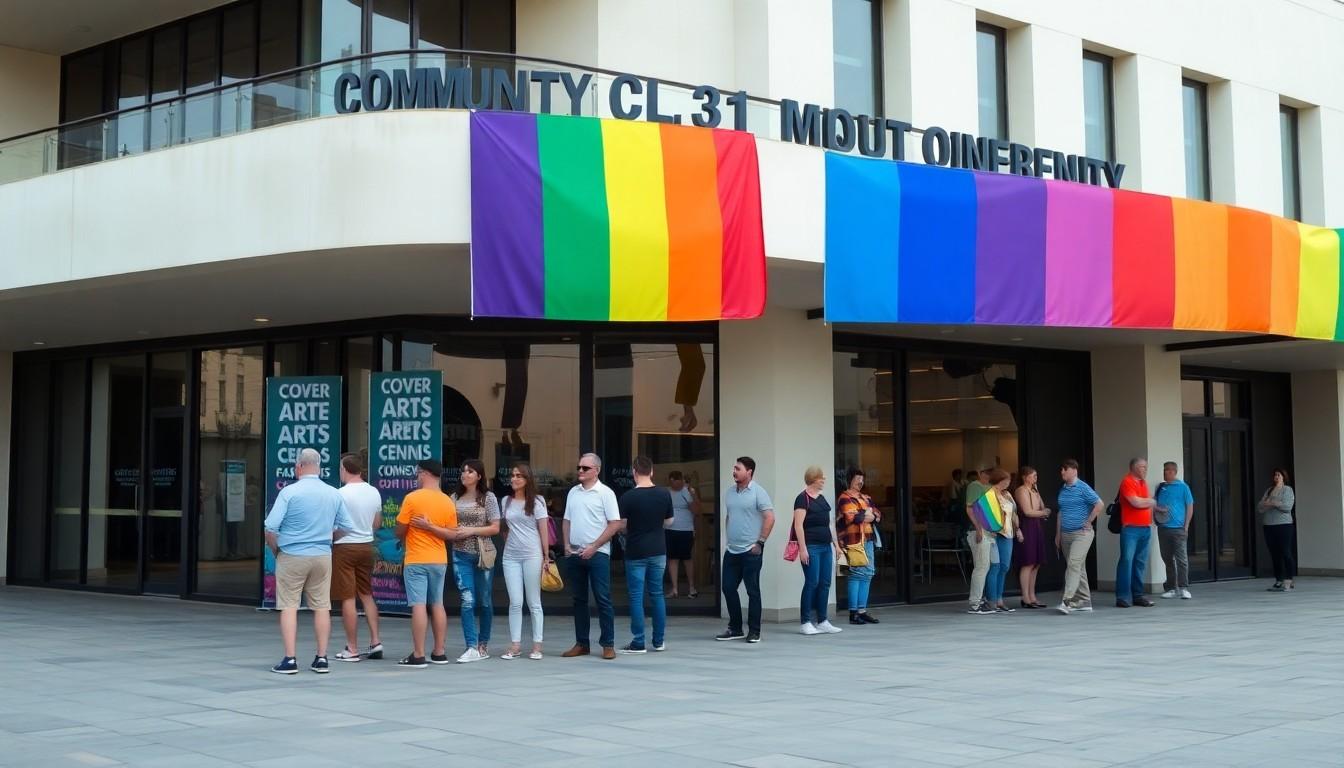
Film lovers in Nicosia are getting a rare chance to explore queer cinema beyond the familiar canon, as Queer Wave 2026 welcomes Little Joe founder Sam Ashby for screenings, archival discoveries and conversations about what gets remembered. The festival matters because it turns overlooked films, fragile artefacts and lived experience into a shared cultural record.
Essential Takeaways
- Sam Ashby is appearing in Nicosia: The Little Joe founder is presenting archive-led film work during Queer Wave 2026.
- The festival runs from 18 to 27 September: Queer Wave returns with LGBTQIA+ cinema and related events in Cyprus.
- Little Joe began as a handmade zine: It grew from Ashby's fascination with underground films and overlooked queer figures.
- The archive is central: Posters, scripts, photographs, tapes and personal collections can preserve histories that institutions miss.
- Print still has a tactile appeal: Paper offers a slower, more focused experience than scrolling through another busy screen.
A festival that looks beyond the obvious
Queer Wave 2026 is doing more than assembling a programme of films. In Nicosia, the festival is creating space for the stories around cinema too: the people who made difficult work, the communities that embraced it and the scraps of evidence that might otherwise vanish.
The event runs from 18 to 27 September, according to festival listings and local event guides. That gives audiences more than a single screening to explore, with the programme positioned as a meeting point for queer film, culture and conversation.
Ashby's appearance adds a particularly rich archival layer. Rather than treating film history as a neat list of famous titles, he approaches it like a box of rescued photographs: turn one over and another story appears.
Why Little Joe still feels different
Little Joe started with a discovery that felt almost accidental. Ashby encountered Andy Warhol and Paul Morrissey's Flesh, then became fascinated by Joe Dallesandro, the actor whose nickname inspired the publication.
The timing mattered. Before social platforms and vast online film databases made obscure recommendations easy to find, discovering an underground film could feel like entering a secret room. Ashby wanted to investigate those hidden corners, especially the way queer audiences understood films that mainstream culture had overlooked.
The publication has since grown from a handmade zine into a more substantial journal, while retaining its playful personality. That combination is part of its charm: serious research, but without the chilly feeling of a university reading list.
Libidinal Archives brings forgotten material into focus
Ashby's Cyprus programme includes Libidinal Archives, a group of archival and research-based short films. Its central idea is simple but powerful: an archive isn't dead storage. It's something that can keep changing meaning as new audiences encounter it.
That approach is especially important in queer history, where preservation has often depended on individuals rather than well-funded institutions. A flyer, home video, script or personal photograph may look modest at first, yet become vital evidence decades later.
His research has included the Hall Carpenter Archives, where he found Elizabeth Montagu's unfilmed 1964 script that later informed The Colour of His Hair. Discoveries like that show why archives need patience. The most revealing material may be waiting in an unlabelled folder, quietly refusing to announce its importance.
City of Lost Souls offers a vivid historical window
Ashby's earlier festival appearance focused on City of Lost Souls, a film recommended by programmer and writer Bradford Nordeen. The film captures a particular Berlin community shaped by performance, friendship, chosen family and self-invention.
For viewers today, its historical perspective may feel both liberating and unsettling. It shows a period when some trans people found forms of freedom and community that are now under pressure in many places, making the film more than a portrait of the past.
That context helps explain why queer film festivals remain valuable. They don't simply revive old titles; they allow audiences to compare different eras, notice what has changed and recognise the struggles that keep returning.
Why print remains part of the conversation
In an age of streaming libraries and endless online recommendations, Little Joe's commitment to print feels deliberately tactile. A physical journal can be held, passed around and revisited without notifications interrupting every paragraph.
Ashby has described the project as almost anti-internet in spirit, recalling older ways that queer communities shared knowledge through personal networks and printed material. The appeal isn't just nostalgia. Paper gives ideas a slower rhythm, along with the small sensory pleasures of texture, weight and ink.
It also encourages humility. Looking back across the publication's history made Ashby recognise that Little Joe offered only one partial account of queer cinema. That admission is useful: no archive can contain everything, so the task is to keep widening the circle of who gets remembered.
A timely invitation to look backwards
Festival listings from EventsHub, VibeLocate and local culture guides place Queer Wave 2026 firmly within Cyprus's autumn arts calendar. Its return suggests a healthy appetite for cinema that combines representation with discussion, research and community.
For younger viewers, the experience can be especially meaningful. Online platforms have made queer films easier to locate, but finding a title isn't the same as understanding where it came from or who fought to preserve it.
Ashby's message is ultimately about connection. Knowing queer history can offer a sense of continuity, particularly for people who haven't found much recognition in their own families or institutions. A screening in Nicosia may last an evening, but the feeling of discovering a wider lineage can linger far longer.
It's a small festival moment with a big archival ambition: keep the films moving, and keep the stories attached to them alive.
Source Reference Map
Story idea inspired by: [1]
Sources by paragraph:
- Paragraph 1: [2], [5]
- Paragraph 2: [3], [4]
- Paragraph 3: [2], [6]
- Paragraph 4: [5], [7]
- Paragraph 5: [3], [4]
- Paragraph 6: [2], [5]
- Paragraph 7: [6], [7]
- Paragraph 8: [3], [5]
- Paragraph 9: [4], [6]
- Paragraph 10: [2], [7]
- Paragraph 11: [3], [4]
- Paragraph 12: [5], [6]
- Paragraph 13: [2], [7]
- Paragraph 14: [3], [5]
- Paragraph 15: [4], [6]
- Paragraph 16: [2], [5]
- Paragraph 17: [3], [7]
- Paragraph 18: [4], [6]
- Paragraph 19: [2], [5]