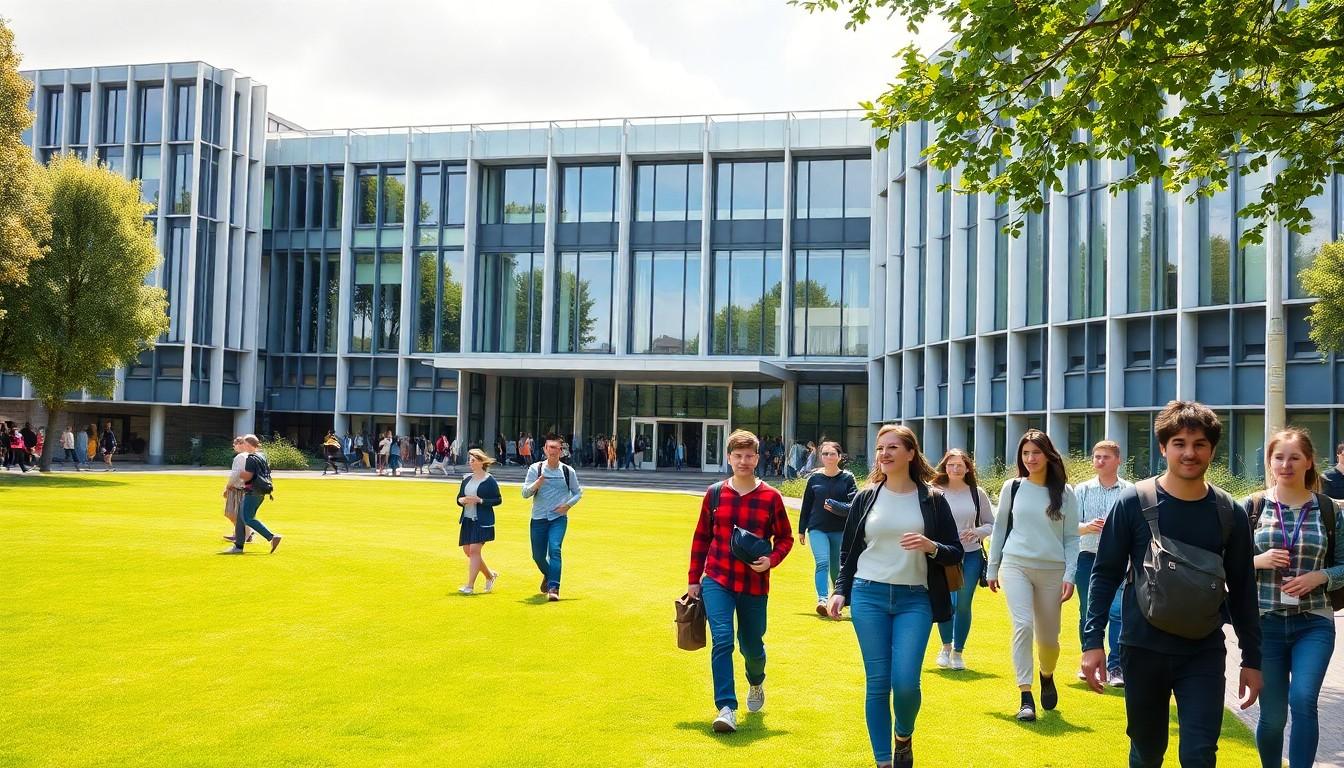
Dutch teenagers are reporting more emotional distress, heavier school pressure and a less welcoming climate for LGBTQ+ classmates. The latest nationwide youth survey also points to falling breakfast habits and rising vaping among girls, making it a useful warning about how school, social media and home life are shaping young people’s wellbeing.
Essential Takeaways
- Emotional problems are rising: Among secondary-school girls, reported emotional difficulties increased from 29% in 2017 to 43% in 2025.
- Acceptance has fallen sharply: The share of boys with a positive attitude towards homosexuality dropped from 40% in 2021 to 22% in 2025.
- School feels less enjoyable: Daily enjoyment of school fell from 82% in 2013 to 64% in 2025.
- Pressure remains high: More than half of girls and over a third of boys feel strong pressure from schoolwork.
- Healthy routines are slipping: Daily breakfast is less common, while smoking and vaping have become more prevalent among girls.
Girls are carrying the heaviest mental health burden
The clearest warning sign is the widening gap between girls and boys. In 2025, 43% of girls in secondary education were recorded as having emotional problems, compared with 13% of boys. That compares with 29% and 9% respectively in 2017.
The figures fit a wider picture of anxiety and depressive feelings among adolescents and young adults. Data monitored by the Dutch National Institute for Public Health and the Environment show that mental wellbeing remains an important concern, although the post-pandemic pattern isn't identical for every age group or population. Amsterdam UMC has likewise cautioned against treating young people's recovery as a single, uniform story.
For families, the practical message is simple: persistent irritability, withdrawal, sleep problems or loss of interest shouldn't be dismissed as ordinary teenage behaviour. A calm conversation with a GP, school mentor or youth support service can be a useful first step.
School pressure is changing the atmosphere
School is becoming a less comfortable place for many pupils. Only 64% of secondary-school students now say they like school, down from 82% in 2013, while 54% of girls and 36% of boys report substantial pressure from schoolwork.
That combination matters. A demanding timetable is one thing, but pressure becomes harder to manage when pupils also feel isolated, bullied or unable to be themselves. The national mental health report on pupils and students underlines the importance of prevention, early support and safer educational environments rather than waiting for problems to become acute.
Teachers and parents don't need to solve everything alone. Regular check-ins, clearer anti-bullying procedures and protected time away from screens can make support feel more accessible. Sometimes the most helpful intervention is simply making it obvious that a young person will be believed.
LGBTQ+ acceptance has taken a striking step backwards
The survey's sharpest social finding concerns attitudes towards homosexuality. Among secondary-school boys, positive views fell from 40% in 2021 to 22% in 2025. Among girls, the figure dropped from 78% to 51%.
Only 45% of secondary pupils now believe gay or lesbian students can be open about their sexuality at school, compared with 60% in 2021. A Dutch government-commissioned literature review on young people's views of LGBTIQ+ people points to the importance of the wider information environment, including online influences and changing ideas about gender and identity.
The findings also challenge an easy explanation based on migration background. Researchers found the decline across young people with and without a migration background, suggesting a broader cultural shift rather than one tied to a single community. Schools may need to treat inclusion as everyday safeguarding, not an occasional themed lesson.
Social media, vaping and missed breakfasts
The survey isn't only about attitudes and emotions. Daily fruit consumption has improved, particularly among primary-school pupils, but breakfast is becoming less routine. The proportion of pupils eating breakfast every day fell from 78% in 2017 to 63% in 2025.
Meanwhile, girls are now more likely than boys to report smoking in the previous month, at 12% compared with 8%. Problematic social media use is also especially high among girls, creating a messy overlap between disrupted sleep, online pressure and unhealthy coping habits.
Parents can focus on achievable basics rather than imposing a perfect wellness regime. A quick breakfast that teenagers will actually eat, a phone-free wind-down before bed and honest conversations about vaping are more realistic than a long list of rules. Small routines may look unremarkable, but they give an unsettled day a little structure.
Background and inequality shape the outcome
The results vary significantly according to education level, household finances and family circumstances. Pupils in pre-university education generally report better outcomes than those in vocational tracks, while lower household prosperity is associated with poorer health and wellbeing.
Young people from one-parent households also score less favourably across many measures. Those with a migration background report more loneliness, less support and more online bullying, even as they tend to drink less alcohol and smoke or vape less often.
That uneven picture is why researchers are calling for a broad response rather than a single campaign. The Trimbos Institute's mental health monitoring work supports the need to understand different groups on their own terms, while government policy documents stress coordinated action across schools, families, healthcare and youth services. The most useful response won't be a lecture about resilience; it'll be making support easier to reach before a crisis arrives.
A healthier youth policy starts with listening closely, especially to the pupils who are least likely to feel safe enough to speak up.
It's a sobering report, but earlier support and safer schools can still change the direction of travel.
Source Reference Map
Story idea inspired by: [1]
Sources by paragraph:
- Paragraph 1: [2], [6]
- Paragraph 2: [3], [7]
- Paragraph 3: [5], [7]
- Paragraph 4: [4], [5]
- Paragraph 5: [4], [6]
- Paragraph 6: [2], [5]
- Paragraph 7: [7], [5]
- Paragraph 8: [3], [6]
- Paragraph 9: [5], [7]
- Paragraph 10: [2], [3]
- Paragraph 11: [5], [7]
- Paragraph 12: [6], [7]
- Paragraph 13: [4], [5]
- Paragraph 14: [2], [5]