LGBTQ+ business owners gathered in Manhattan to discuss visibility, representation and the practical support that helps companies survive. At the 2026 National LGBTQ+ and Allied Chamber of Commerce New York summit, entrepreneurs from banking, hospitality, food and retail shared hard-won lessons about building businesses while creating spaces where others can belong.
Essential Takeaways
- Community is practical support: Entrepreneurs described advice, introductions and encouragement as vital tools, especially during difficult trading periods.
- Visibility has consequences: LGBTQ+ leaders said representation can open doors, but it can also bring pressure and scrutiny.
- Small businesses create belonging: Cafes, restaurants and shops can become welcoming community spaces as well as commercial ventures.
- Legacy brands need care: Updating a familiar business requires balancing tradition with a changing customer base.
- The summit connects opportunity: NGLCC New York presents its events as a way to bring businesses, supporters and partners together.
New York's LGBTQ+ entrepreneurs put community centre stage
The strongest message from the Manhattan summit was simple: community isn't just a warm idea. For LGBTQ+ business owners, it can mean advice during a crisis, a customer who returns, or a connection that makes growth possible.
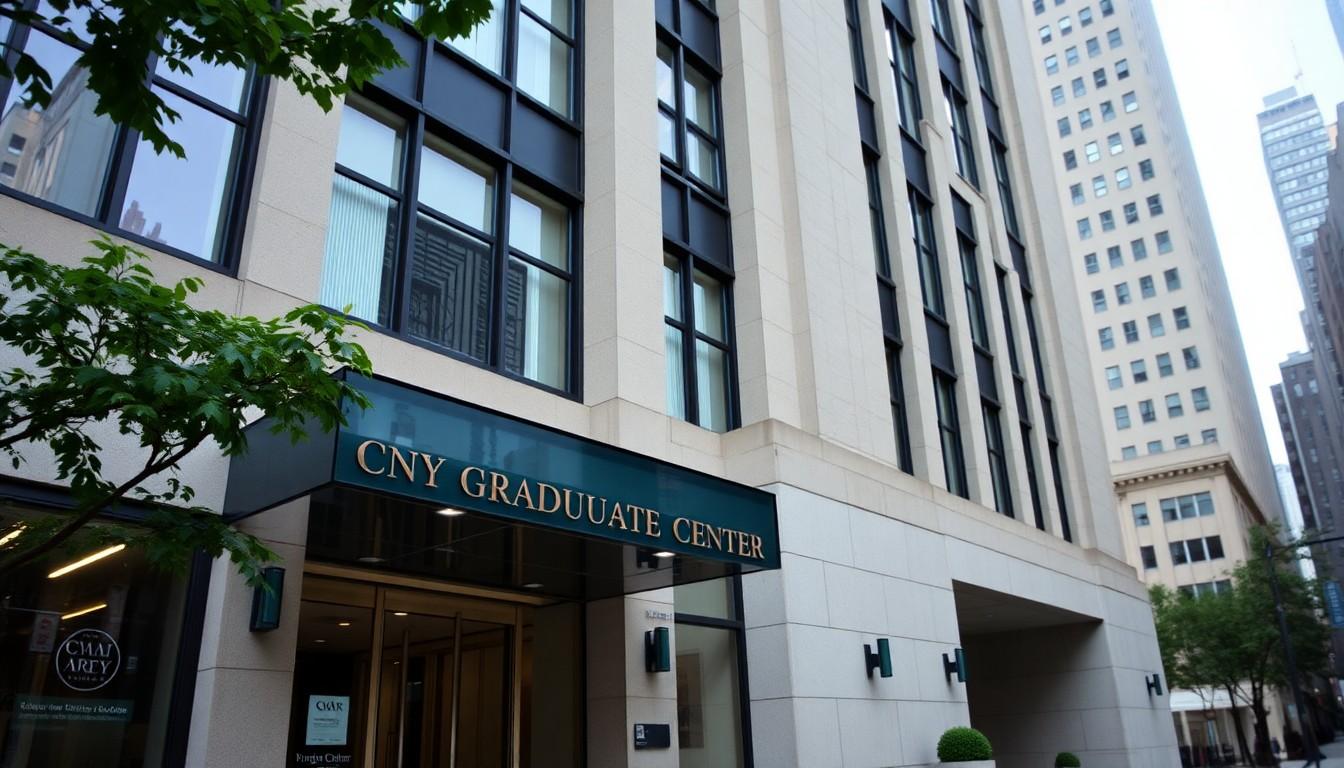
The event, held at the CUNY Graduate Center, brought together entrepreneurs and civic figures to discuss economic impact and representation. NGLCC New York's wider programme focuses on connecting LGBTQ+-owned businesses with corporate, public-sector and community opportunities, according to the organisation's event information.
That practical emphasis gives the conversation more weight. A business launch may look glamorous from the outside, but the day-to-day reality is usually quieter: finding finance, navigating regulations, hiring well and keeping the lights on.
Why visibility matters beyond the shop window
Visibility was another major theme. Speakers argued that seeing LGBTQ+ people succeed in senior roles, creative industries and local businesses can make entrepreneurship feel more achievable for those coming behind them.
That doesn't mean visibility is effortless. It can expose business owners to extra scrutiny, particularly in industries where people still question who is allowed to tell certain stories or occupy certain spaces. The summit's focus on representation reflects NGLCC New York's broader role in supporting LGBTQ+-owned enterprises and their allies.
For customers, the result can be tangible. A cafe, restaurant or shop with a clear sense of identity may become somewhere people linger, meet friends and feel recognised. The soft lighting and familiar faces matter, but so does the message that the business is willing to stand for something.
Food and drink businesses show the value of local support
The food and beverage panel brought the discussion down to street level. Entrepreneurs spoke about opening restaurants and cafes, surviving the pandemic and creating venues that serve a neighbourhood as much as they serve a menu.
That distinction is important. Independent hospitality businesses often operate on narrow margins, so informal knowledge from other owners can be as useful as a polished business plan. NGLCC New York's summit and expo materials highlight the value of bringing businesses, sponsors and attendees into the same room.
A welcoming cafe can also become a community anchor. For a customer, that might mean a reliable coffee and a friendly table. For an owner, it can mean building a network of regulars who understand the mission as well as the product.
Building an LGBTQ+-owned business takes more than visibility
Representation can attract attention, but it doesn't replace solid operations. Business owners still need pricing that works, dependable suppliers, sensible staffing and enough cash to handle an unexpectedly slow month.
That is where networks become especially useful. The chamber's membership and events are designed to help LGBTQ+-owned and allied businesses find connections, resources and potential partnerships, rather than leaving each founder to solve every problem alone.
The advice is relevant to new entrepreneurs too. Before signing a lease or ordering stock, it pays to speak to owners who have already made expensive mistakes. A short conversation over coffee can sometimes save months of frustration.
Can legacy brands evolve without losing their flavour?
The summit also explored the pressure of taking on an established company. Legacy businesses carry recognition, loyal customers and a deep emotional connection, but they can also feel like a heavy responsibility.
Changing the branding, product range or tone may attract new shoppers, yet it risks unsettling people who feel ownership over the familiar version. The smartest approach is usually gradual: protect what customers love, then make room for thoughtful updates.
That balance is especially relevant for brands with a strong LGBTQ+ history. A business can honour its past without becoming frozen in it. The challenge is to keep the personality, quality and sense of humour intact while making the company work for today's audience.
A summit with a longer view
NGLCC New York's 2026 summit sits within a wider calendar of events, sponsorship opportunities and business networking listed by the organisation. That suggests the gathering is intended as more than a single day of speeches.
The bigger question is what happens afterwards. A panel can inspire, but lasting progress depends on introductions becoming partnerships, visibility becoming opportunity and community support reaching businesses that don't yet have a large platform.
For LGBTQ+ entrepreneurs, that follow-through may be the most meaningful measure of success. Feeling seen is powerful, but having someone answer the phone when business gets tough is even better.
It's a small-business story with a big lesson: community works best when it turns encouragement into action.
Source Reference Map
Story idea inspired by: [1]
Sources by paragraph: