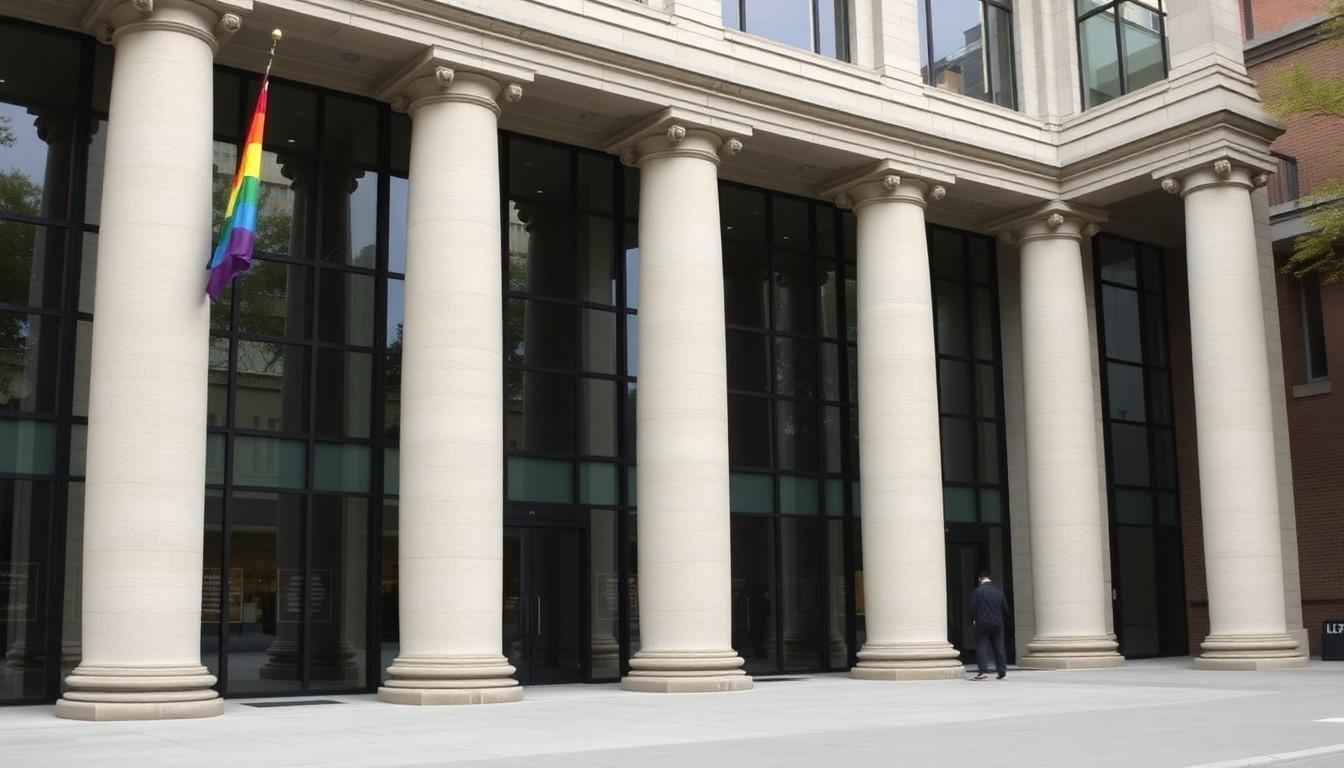
Readers visiting The Closet Professor this weekend will find a reflective pause shaped by queer history, art and culture. The blog’s latest Moment of Zen entry also gently reminds visitors that some posts include non-sexual nudity, making mature viewing and respectful image use part of the conversation.
A quiet weekend pause with a clear purpose
The latest Moment of Zen post is less a conventional news story than a calm invitation to stop, look and reflect. Its subject matter sits within The Closet Professor’s broader interest in LGBTQ+ studies, where art and historical material often overlap.
That gives the entry a pleasantly unhurried quality. Rather than chasing a headline, it creates a small pocket of stillness, with imagery used to support contemplation and cultural discussion.
Why nude art sometimes appears
The blog is upfront that some posts include nude photographs or artworks, while stressing that the material doesn’t depict sexual acts. That distinction matters, particularly for readers who may arrive expecting a history or culture article and encounter more adult visual content.
It’s also a reminder that the nude has a long and complicated place in art history. In the right context, it can suggest vulnerability, beauty, identity or the changing way bodies have been represented, rather than simply aiming to shock.
The wider story is queer culture
The Closet Professor describes itself as a resource focused on GLBT studies, including history, art, literature, politics and culture. The subject matter is deliberately broad, which helps explain why a weekend image post can sit comfortably beside more research-led writing.
The archive also shows an interest in personal commentary and cultural memory. For readers exploring LGBTQ+ history online, that mix can feel more approachable than a strictly academic format, even when the themes are serious.
A useful reminder about online images
The post also includes a straightforward rights disclaimer. The author says images come from various sources, often other blogs, and invites rights holders to request removal where appropriate.
That transparency is welcome in an internet landscape where photographs and artwork can travel far from their original context. Readers should still treat online images carefully, avoid reposting them without permission and remember that a public page doesn’t automatically mean unrestricted reuse.
What readers can expect from the blog
The overall promise is variety. One visit might lead to a piece about politics or literature, while another offers a historical note, an art reference or a brief visual interlude.
That unpredictability is part of the charm. The Moment of Zen format gives the blog room to breathe, and for readers interested in queer culture, it offers a softer way into subjects that are often presented with far more solemnity.
Take a thoughtful pause, and explore the archive at your own pace.
Source Reference Map
Story idea inspired by: [1]
Sources by paragraph:
- Paragraph 1: [2], [4]
- Paragraph 2: [1], [5]
- Paragraph 3: [2], [7]
- Paragraph 4: [1], [6]
- Paragraph 5: [2], [4]
- Paragraph 6: [1], [7]
- Paragraph 7: [2], [5]
- Paragraph 8: [4], [6]
- Paragraph 9: [1], [2]
- Paragraph 10: [5], [7]
- Paragraph 11: [2], [4]
- Paragraph 12: [1], [6]
- Paragraph 13: [2], [7]
- Paragraph 14: [1], [5]
- Paragraph 15: [2], [4]