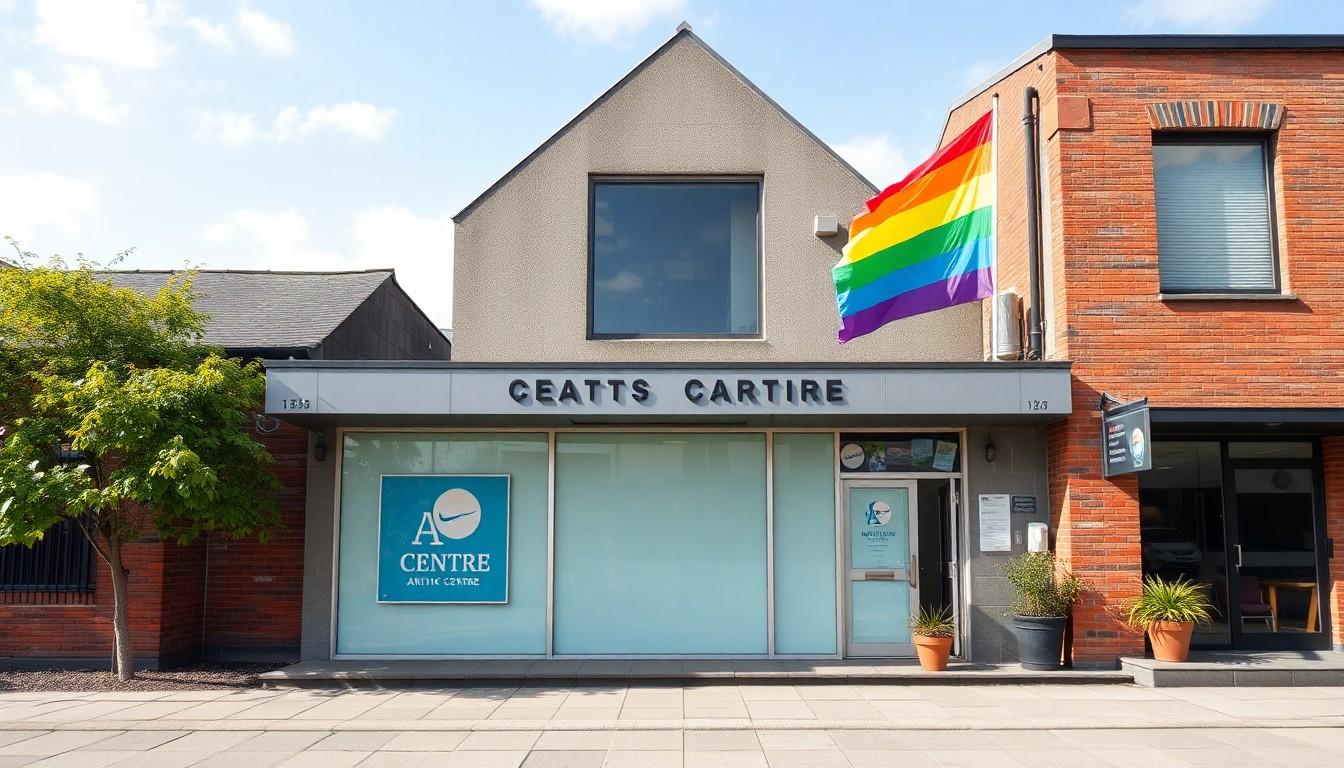
Creators and artists across the LGBTQ community are transforming hurtful language into humour, pride and self-expression. From online communities to music, fashion and visual art, this growing response matters because it turns negativity into something visible, joyful and defiantly personal.
The sharpest comeback is often creativity
An insult may arrive as a cheap jab, but LGBTQ creators are increasingly refusing to give it the reaction it expects. Instead, they answer with art, laughter, style and a knowing smile - a response that feels far more powerful than an argument in a comment thread.
The idea sits at the heart of a recent reflection from The Art of Gay Style, which describes hostile comments as fuel for fresh work and community spirit. Rather than allowing abuse to define the mood, its creators use the moment as a reminder of why their art exists in the first place.
That doesn't make prejudice harmless. It means the target gets to decide what happens next.
Reclaiming language can change who owns the joke
LGBTQ communities have long debated whether offensive labels should be reclaimed. As research and commentary explored by the University of the Highlands and Islands suggest, reclamation can shift a word's meaning when the people targeted by it use that language on their own terms.
But context matters enormously. A term shared playfully among friends can feel entirely different when used by a stranger with hostile intent. Identiversity's discussion of phrases such as "that's so gay" highlights how supposedly casual language can still reinforce stereotypes and make people feel unwelcome.
So reclamation isn't a universal instruction. Some people find confidence in taking a word back, while others quite reasonably want nothing to do with it.
Queer joy gives the conversation a brighter centre
The most striking part of this response is its focus on joy. LGBTQ expression isn't only about resistance or survival; it's also about music, fashion, humour, friendship, colour and the pleasure of being seen.
ABC News has highlighted queer joy among hip-hop artists, showing how performers can make identity part of their work without allowing prejudice to become the entire story. Dove's Pride-focused work similarly presents visibility and self-acceptance as everyday forms of celebration, not merely annual talking points.
That distinction matters. When every conversation begins with discrimination, people can lose sight of the ordinary happiness that communities are also building. A bright illustration, a playful T-shirt or a bold performance can say, simply, we're here and we're enjoying our lives.
Humour helps, but boundaries still matter
Laughing at an insult can be liberating, especially when it takes power away from the person trying to provoke a reaction. The trick is making sure the humour serves the person targeted, rather than asking them to entertain everyone else while they absorb the harm.
Commentary from Instinct Magazine and Out has examined the complicated history of reclaimed LGBTQ terms. Both the appeal and the risk are clear: a word can become empowering in one setting while remaining deeply offensive in another.
A useful rule is to check the relationship, the speaker, the audience and the intent. If the joke leaves the community feeling seen, it may be reclamation. If it pressures someone to tolerate abuse, it's simply another burden.
Turning negativity into something useful
For creators, hostile attention can sometimes sharpen a message. It can inspire a new image, a slogan, a performance or a conversation that reaches people who might otherwise never have encountered the work.
The Art of Gay Style also links its creative output to support for gay artists living with disabilities around the world. That adds a practical dimension to the message: self-expression isn't only symbolic when it helps artists earn, connect and keep making work.
Still, nobody owes the internet a witty response. Blocking, reporting and stepping away are just as valid as answering with glamour. The most empowering choice is the one that protects your peace while keeping your identity yours.
The future belongs to self-defined expression
The broader lesson is less about finding the perfect comeback and more about refusing to let outsiders write the story. LGBTQ artists, performers and communities are continuing to define themselves through work that is funny, stylish, tender and unapologetic.
That shift also gives allies a clearer role. Listen to how people describe their own experiences, avoid repeating slurs casually and support creators directly rather than treating queer joy as a trend.
A smile can be a powerful answer, but so can a boundary. Together, they make space for a life that is bigger than the insult.
Keep the art, the humour and the self-definition firmly in your own hands.
Source Reference Map
Story idea inspired by: [1]
Sources by paragraph:
- Paragraph 1: [2], [3]
- Paragraph 2: [4], [6]
- Paragraph 3: [5], [7]
- Paragraph 4: [2], [3]
- Paragraph 5: [4], [6]
- Paragraph 6: [5], [7]
- Paragraph 7: [2], [3]
- Paragraph 8: [4], [6]
- Paragraph 9: [1], [5]
- Paragraph 10: [7], [3]
- Paragraph 11: [2], [4]
- Paragraph 12: [5], [6]
- Paragraph 13: [1], [7]
- Paragraph 14: [2], [3]
- Paragraph 15: [4], [5]
- Paragraph 16: [6], [7]