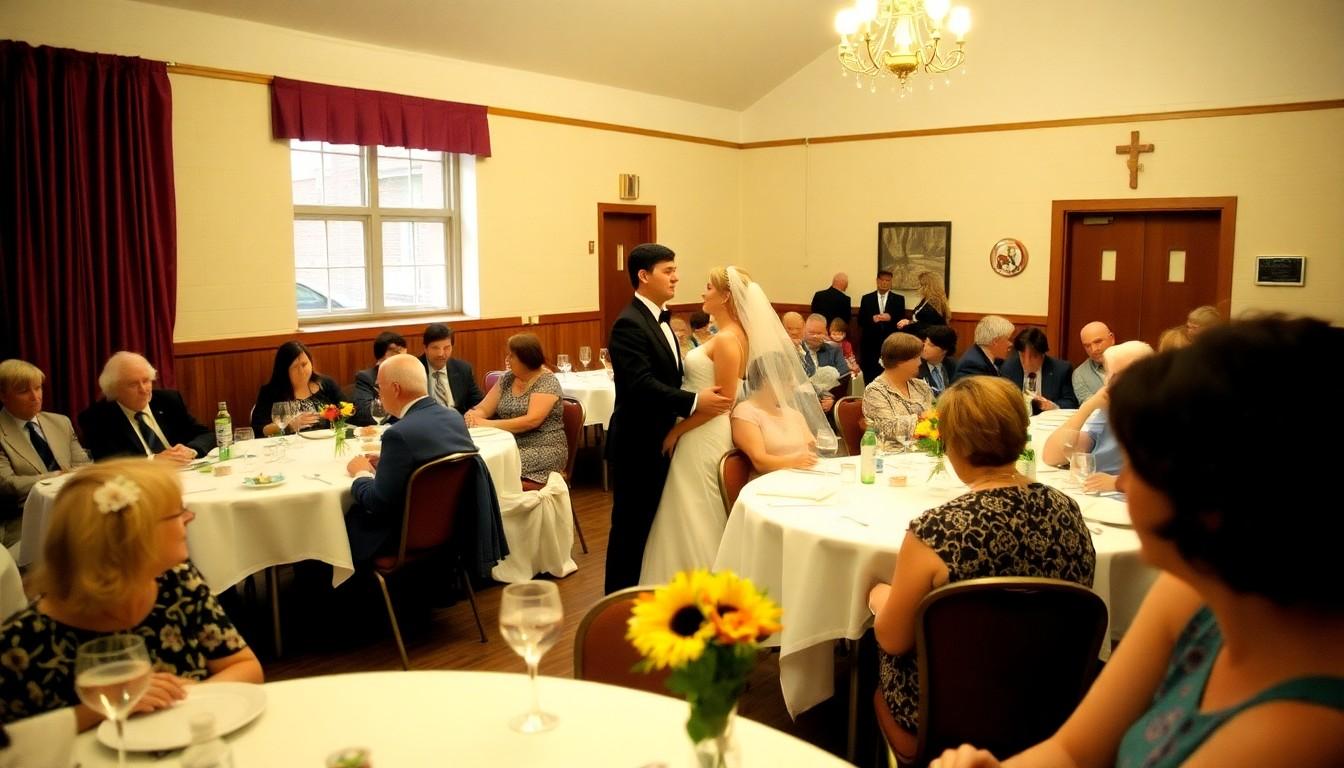
A newlywed couple’s heartfelt letter to a local newspaper celebrates their August wedding, thanks the friends and neighbours who made it possible, and reflects on how marriage equality has changed everyday life. Their message is simple but resonant: love deserves recognition without a qualifying label.
A wedding becomes a community celebration
Rita and her partner described their 29 August wedding as a day filled with warmth, friendship and shared celebration. In their letter to the Petersburg Pilot, they thanked the people who attended and helped make the occasion special.
That gratitude feels especially striking in a close-knit community, where weddings are rarely just private milestones. Friends, relatives and neighbours often become part of the practical work, from preparing the venue to showing up with food, good wishes and perhaps a slightly overenthusiastic dance-floor presence.
The long road to marriage equality
The couple also placed their celebration in a wider historical context. They noted that same-sex couples have only had the legal right to marry for 21 years, a reminder that a freedom many people now take for granted is still relatively recent.
That history gives the wedding extra weight. It wasn't only a personal promise between two people, but also a visible expression of a right secured after years of campaigning, debate and resistance. The Petersburg Pilot's published letter connects the couple's happiness with that broader change.
Why language still matters
At the heart of the message is a hope that the phrase "gay marriage" will eventually disappear from ordinary use. The couple would rather their marriage be understood simply as marriage, without a separate label attached to it.
It's a small linguistic distinction with a larger meaning. Labels can offer visibility and community, but they can also suggest that one group is enjoying a variation of something considered standard. For many same-sex couples, equal treatment means being allowed to celebrate the same institution in the same uncomplicated terms.
Small-town support can carry real weight
The letter's thanks extend beyond the wedding party to the wider network of people who helped the couple mark the day. That public appreciation shows how local gestures can become powerful signs of acceptance.
A supportive community doesn't need grand speeches to make a difference. Turning up, lending a hand and treating a couple's happiness as entirely ordinary can be quietly transformative. Sometimes the most meaningful message is simply making room at the table.
A personal thank-you with a wider message
Although the letter began as a note of appreciation, it reaches beyond one wedding. It celebrates love, acknowledges the progress represented by marriage equality and asks readers to imagine a future where equality feels so natural that it no longer needs an adjective.
That makes the couple's message both intimate and public. Their wedding was one day, but the hope behind it is ongoing: that every couple can marry with the same joy, dignity and welcome.
It's a reminder that equality is lived in ordinary moments, often surrounded by people who choose to show up.
Source Reference Map
Story idea inspired by: [1]
Sources by paragraph: