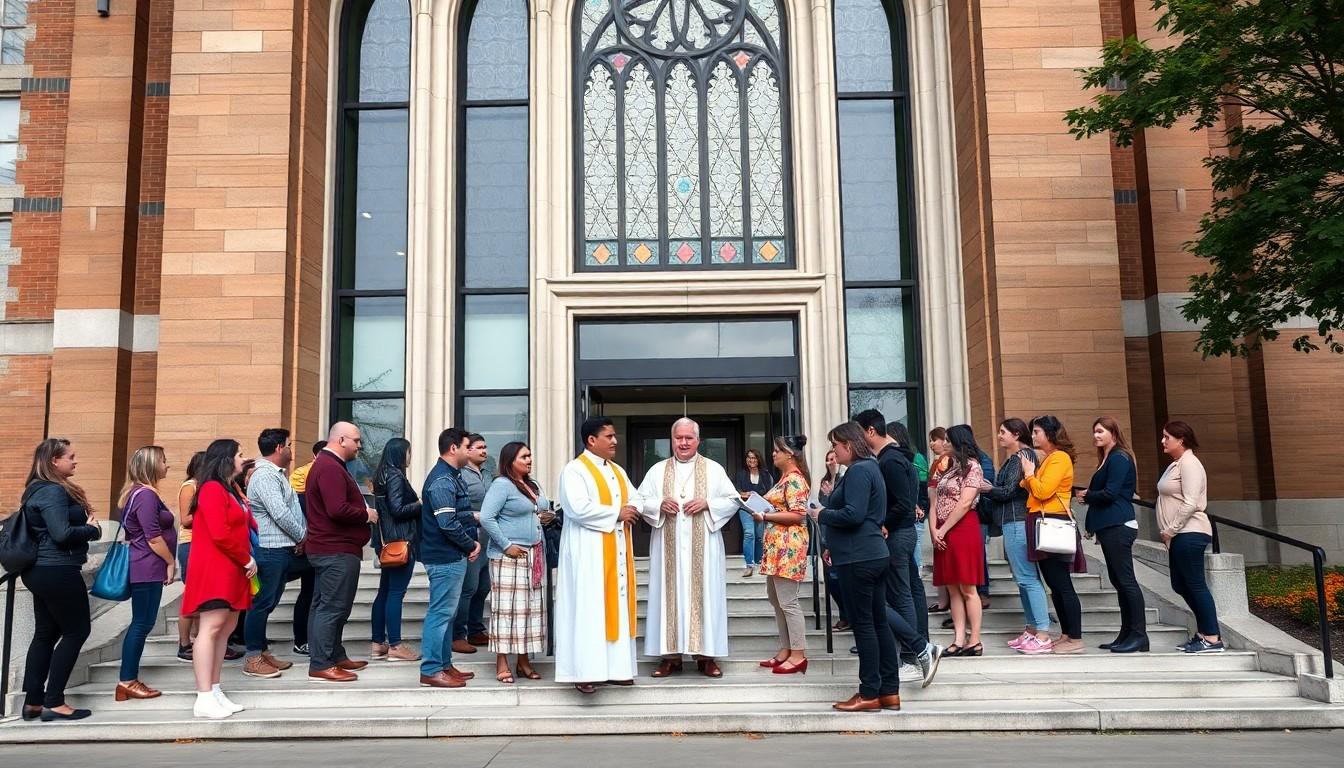
Church communities are revisiting what the rainbow means in public life, particularly when Pride displays meet Christian teaching. A recent Catholic essay argues that LGBTQ+ inclusion isn't a rejection of biblical tradition, but a practical expression of solidarity with people who remain vulnerable and marginalised.
Essential Takeaways
- The central argument: Christian solidarity should include people pushed to society's edges.
- The biblical link: The rainbow is associated with God's covenant with Noah, but its meaning isn't limited to one interpretation.
- The point of disagreement: Some Christians reject Pride symbolism because they believe it changes or narrows the rainbow's religious meaning.
- The pastoral challenge: Supporting LGBTQ+ people doesn't require every Christian to agree on every political or theological question.
- The wider principle: Faith communities are being urged to consider vulnerable groups deliberately in social and personal decisions.
The rainbow carries more than one meaning
Few symbols have become as instantly recognisable as the rainbow. It can suggest hope, promise, celebration or inclusion, often before anyone has read a word on a banner or badge.
In Christian tradition, its most familiar biblical association comes from Genesis, where it represents God's covenant with Noah after the flood. Catholic commentary on Pride has used that account to argue that the symbol should retain its scriptural meaning rather than become identified primarily with LGBTQ+ activism.
But symbols rarely stay in one lane. Research into Pride imagery and LGBTQ+ youth has shown how colours, flags and public displays can help create identity and belonging, especially for people who have felt isolated. That emotional dimension matters: a rainbow outside a church, school or sports ground can feel welcoming to one person and contested to another. ([6], [3])
Why solidarity has become the heart of the debate
The newer argument isn't that the biblical meaning should disappear. Instead, it asks whether Christians can recognise the rainbow's religious history while also acknowledging what it means to LGBTQ+ people today.
Writing for U.S. Catholic, Dan Masterson presents solidarity as a distinctly Christian response to marginalisation. His reasoning is rooted in the idea that every person belongs to one human family, including people whose experiences or identities may be unfamiliar to those making decisions about them. ([2], [7])
That approach shifts the question. Rather than asking whether a church agrees with every aim associated with Pride, it asks whether its actions protect the dignity of people who face exclusion. It's a small but significant change in emphasis, and it makes the conversation less about owning a symbol and more about how communities treat their neighbours. ([2], [7])
When Pride displays become a flashpoint
The tension was visible during a San Francisco Giants Pride event, when some players wore rainbow versions of the team's logo while also adding a passage from Genesis to their hats. The gesture appeared designed to stress the rainbow's covenant symbolism, but critics saw it as an attempt to separate that meaning from LGBTQ+ Pride.
This kind of response can come from several places. Some people feel uncertain about endorsing a movement in full, while others worry that supporting one marginalised group amounts to unfairly favouring it. Catholic commentary critical of Pride has made similar arguments, presenting the rainbow as a Christian image that has been repurposed for a cause some believers oppose. ([3], [4])
Yet the counterargument is that solidarity doesn't depend on total agreement. The Evangelical Lutheran Church in America, for example, frames justice and peace work around accompaniment, advocacy and concern for communities facing harm. That model suggests that standing alongside people can be a moral responsibility even when every question hasn't been settled. ([7])
What solidarity looks like in practice
For Christians unsure how to respond to Pride symbols, the most useful advice is practical. Start by asking who is vulnerable in a particular setting, who may feel unwelcome and whether a decision reinforces exclusion or reduces it.
That doesn't mean every congregation must use the same language, display the same flag or reach identical conclusions. It does mean that theological caution shouldn't become an excuse for ignoring the lived reality of LGBTQ+ people, including the fear and isolation many have experienced.
The size of the gesture matters less than its intent. A rainbow badge, an inclusive welcome statement or a willingness to listen may look modest, but public signals can carry real weight for someone wondering whether a community is safe. Research on Pride symbolism has particularly highlighted the role of visibility in helping LGBTQ+ young people navigate identity and belonging. ([6], [2])
A symbol can hold faith, history and welcome
The argument over the rainbow is unlikely to vanish soon, partly because the symbol genuinely carries several layers of meaning. For some Christians, it points first to Genesis. For many LGBTQ+ people, it also represents survival, identity and the possibility of being seen without apology.
Those meanings don't have to be treated as mutually exclusive. The more constructive path may be to acknowledge the biblical tradition while refusing to use it as a reason to push a marginalised community further to the margins. Catholic writers on both sides of the discussion show how far apart the conclusions can be, but they also reveal why the subject remains so emotionally charged. ([3], [5])
Ultimately, the question is less whether Christians may use the rainbow than what they do when LGBTQ+ people are asking to be recognised. For supporters of solidarity, that is where faith becomes visible: not only in words or scripture, but in the decision to stand with people who need support.
Choose symbols and actions that make room for people rather than closing the door.
Source Reference Map
Story idea inspired by: [1]
Sources by paragraph: