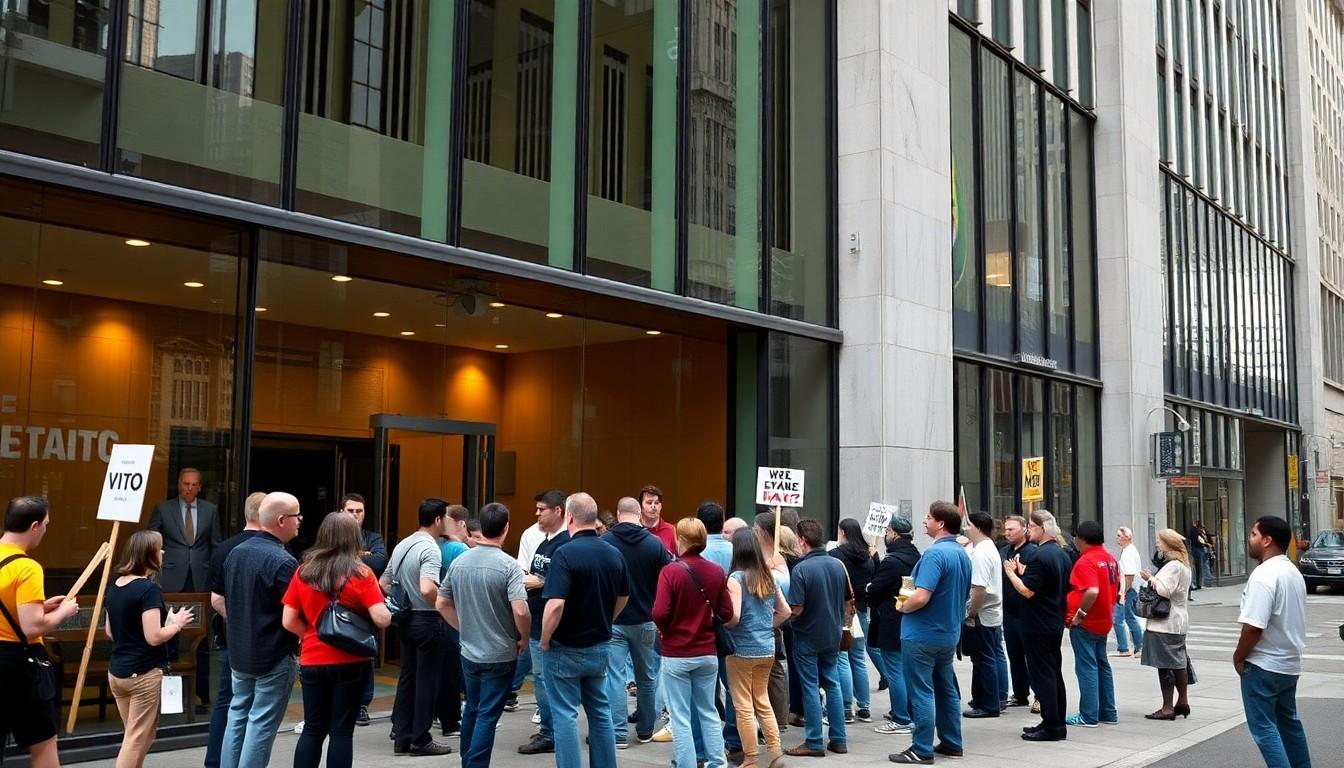
Viewers are revisiting a remarkable 1990 Arsenio Hall Show exchange, when Queer Nation activists challenged the host over LGBTQ representation on television. Hall’s heated but thoughtful response captured a tense moment in entertainment history, balancing the demand for visibility with the very real dangers faced by performers who weren’t safe coming out publicly.
Essential Takeaways
- A live interruption: Two Queer Nation activists confronted Hall during a December 1990 broadcast.
- The central complaint: They questioned why the show didn’t feature more openly gay guests.
- Hall’s defence: He argued that some LGBTQ performers had appeared, even if they weren’t publicly out.
- The wider context: The exchange took place during the AIDS crisis, when stigma and career risks were severe.
- The lasting lesson: Representation matters, but so does consent and personal safety.
A talk show that changed late-night television
When The Arsenio Hall Show launched in 1989, late-night television suddenly felt younger, louder and far less predictable. Hall welcomed hip-hop artists, R&B stars and guests who were often overlooked by more traditional hosts, giving the programme a distinctive energy that still feels fresh.
The show’s appeal wasn’t just its music or famously enthusiastic audience. It was the sense that something could happen at any moment. That atmosphere made the interruption in December 1990 especially striking, as contemporary coverage from the Deseret News and Los Angeles Times documented. The programme wasn’t polished into submission; it was willing to let a difficult argument unfold in real time.
The question Hall couldn’t brush aside
As Hall finished his opening monologue, activists from Queer Nation called out from the audience. Their demand was direct: why weren’t more openly gay celebrities being invited onto the programme?
It was a pointed challenge. Hall had built a reputation for giving space to communities underrepresented on mainstream television, so LGBTQ viewers and activists had a reasonable expectation that his platform would extend to them too. Contemporary reporting described the confrontation as tense, with Hall leaving the stage to address the protesters rather than simply carrying on.
That decision gave the moment its electricity. There was no tidy presenter’s link or commercial break to soften the edges, just a public disagreement about who gets to be visible.
Visibility looked very different in 1990
Today, it’s easy to view public representation as an uncomplicated good. In 1990, however, appearing openly gay on a major television show could carry serious professional and personal consequences.
The AIDS crisis had intensified fear and misinformation, while homophobia remained deeply embedded in the entertainment industry. For many performers, coming out could mean losing work, damaging family relationships or becoming a target of public hostility. Queerty’s later account of the exchange highlights how strongly those risks shaped Hall’s response.
His point was uncomfortable but important: a performer’s identity couldn’t be treated as evidence for a campaign without that person’s permission. Public visibility might help a movement, but it could also expose an individual to danger.
Hall’s fiery defence was also about privacy
Hall pushed back against the suggestion that his show had excluded gay guests. He maintained that LGBTQ performers had appeared on the programme, even though many weren’t publicly discussing their sexuality.
Years later, in an interview with Logo, Hall explained that he was thinking about friends and colleagues who had not felt safe being open at the time. He argued that revealing someone’s identity to prove a point would have betrayed them, rather than supported them. Queerty later quoted his recollection of performers including Luther Vandross, Louie Anderson, Ellen DeGeneres and Rosie O’Donnell.
That distinction still matters. A guest can be present on television without being ready to disclose every part of their private life. Representation works best when people control their own stories, rather than being turned into symbols without consent.
Why the exchange still resonates
The clip remains compelling because neither side was arguing about something trivial. The activists wanted the visibility that could challenge prejudice, while Hall was defending people who might not yet have the freedom to claim that visibility publicly.
The episode also shows how quickly social progress can become complicated in practice. A host can support an underrepresented community and still be challenged for not doing enough. Activists can make a legitimate demand while also confronting the limits of what individuals can safely reveal.
That tension feels strikingly modern. The language and television culture have changed, but debates about who gets seen, who gets protected and who controls a public identity remain very much alive. As the surviving episode record and later commentary suggest, Hall’s response was messy, emotional and ahead of its time in one crucial respect: it recognised that visibility without safety isn’t genuine freedom.
It’s a small piece of television history with a surprisingly large question at its centre.
Source Reference Map
Story idea inspired by: [1]
Sources by paragraph: