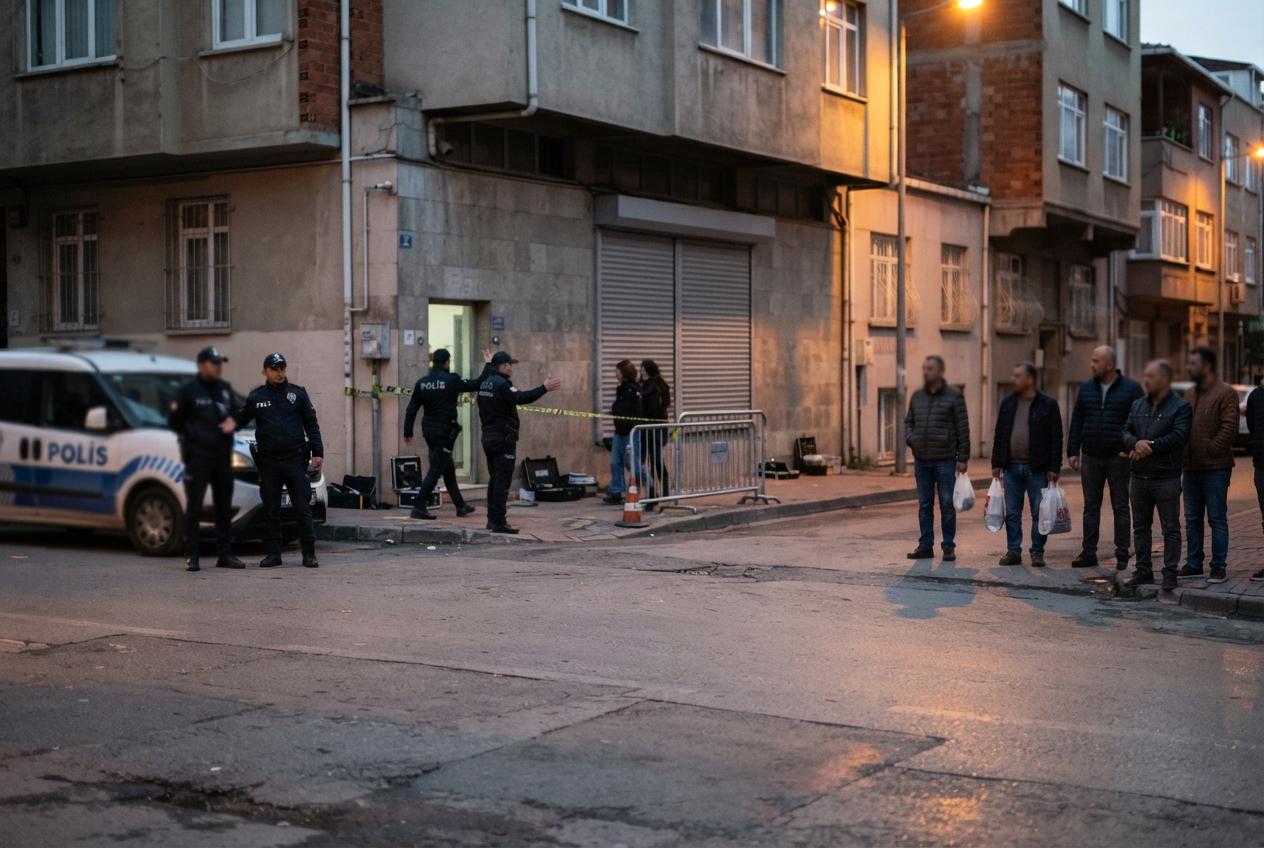
Turkey's LGBTQ+ arrests have intensified into a nationwide campaign, with activists, associations and businesses caught in coordinated raids. The operation, presented by Ankara as a defence of family values, has alarmed queer communities and rights groups, raising fresh questions about how far Turkey's government will go to suppress LGBTQ+ visibility.
Essential Takeaways
- Nationwide raids: Police operations reportedly reached 15 provinces, targeting LGBTQ+ groups, activists and venues.
- Dozens detained: More than 80 people were reportedly arrested, including people linked to queer organisations.
- Online restrictions: Websites and social media accounts belonging to LGBTQ+ groups and campaigners were blocked.
- A longer campaign: The crackdown follows years of increasingly hostile official rhetoric around family and population growth.
- Legal pressure without a formal ban: Turkey has not outlawed homosexuality, but authorities are using arrests, investigations and censorship to restrict LGBTQ+ life.
A week of raids has shaken Turkey's queer communities
The most unsettling detail isn't simply the number of arrests. It's the breadth of the operation. According to LGBTQ+ Nation, police targeted associations, activists, bars and other businesses across multiple provinces, creating a climate of fear that reaches well beyond the people taken into custody.
The raids reportedly involved offices and private homes, while authorities confiscated documents and disrupted access to online platforms. For organisations that rely on digital networks to provide legal advice, community support and public information, a blocked website isn't a minor inconvenience. It can feel like a door being slammed shut.
Associated Press reporting also described a rapidly expanding investigation involving individuals and organisations connected to Turkey's LGBTQ+ community. The scale has left activists trying to work out who might be next, while families and supporters face an increasingly uncertain situation.
Ankara's "family" campaign has been building for years
The operation didn't appear from nowhere. Turkey's government designated 2025 as the "year of the family", followed by a longer "decade of family and population" running from 2026 to 2035, according to the Washington Post.
That language matters because it frames LGBTQ+ people not as citizens with equal rights, but as an alleged threat to national demographics and traditional family life. Officials have also promoted the idea of a digital system designed to identify content considered harmful to the Turkish family, a concept that has raised obvious concerns about online surveillance.
The Jerusalem Post reported that the crackdown sits within a broader political campaign against what officials describe as foreign or destabilising influences. Yet the effect on the ground is strikingly familiar to LGBTQ+ communities elsewhere: public hostility creates permission for private discrimination, while legal uncertainty makes ordinary life feel precarious.
Turkey hasn't banned homosexuality, but pressure is tightening
Turkey has not formally criminalised consensual same-sex relationships, a distinction that can make the country appear more liberal on paper than it feels in practice. Activists say authorities are instead relying on arrests, terrorism-related accusations, association raids, censorship and restrictions on public gatherings.
The Amargi reported that the latest actions targeted established organisations as well as individual campaigners. Among the groups affected were long-standing LGBTQ+ associations and youth organisations, suggesting that the pressure isn't limited to one protest or one disputed event.
That distinction is important for readers trying to understand the story. A government doesn't need to pass a law explicitly banning homosexuality to make queer life dangerous. If people risk detention for activism, workplaces and venues face police attention, and community websites disappear overnight, the practical result can resemble criminalisation.
Online bans are becoming part of the crackdown
Several LGBTQ+ websites and social media accounts were reportedly blocked after the arrests began, including platforms linked to prominent Turkish rights groups and activists. According to Associated Press coverage, the digital restrictions formed part of the wider effort rather than an isolated technology dispute.
For campaigners, online access is essential. It helps people find counselling, emergency contacts, legal support and safe community spaces, particularly in a country where public LGBTQ+ events have faced mounting restrictions. Remove those channels and authorities can make a community harder to see, organise and defend.
Some editors responded by moving websites to new addresses, an improvised game of digital cat and mouse. It shows both the resilience of Turkish activists and the exhausting burden placed on them. Nobody should have to keep rebuilding a newsroom simply to publish basic information about their community.
What happens next for LGBTQ+ rights in Turkey?
The immediate concern is the fate of those detained and whether the investigations will widen. The Washington Post reported that arrests continued as authorities expanded the crackdown, while rights groups warned that the operation could establish a more permanent pattern of repression.
International attention will matter, but so will the ability of Turkish organisations to keep operating. Groups such as Kaos GL have spent decades documenting abuses, supporting LGBTQ+ people and challenging discrimination. Their experience means the movement isn't starting from scratch, even if the current pressure is unusually severe.
For many queer people in Turkey, the story is therefore both frightening and familiar. As one activist's experience makes clear, years of anti-LGBTQ+ rhetoric can eventually turn into police action. The raids may have happened this week, but the conditions for them were being laid much earlier.
This is not only a story about arrests. It's about how a government can narrow public life step by step, until visibility itself becomes a risk.
Explore reliable reporting and support organisations working to protect LGBTQ+ communities.
Source Reference Map
Story idea inspired by: [1]
Sources by paragraph:
- Paragraph 1: [4], [6]
- Paragraph 2: [2], [7]
- Paragraph 3: [2], [6]
- Paragraph 4: [6], [5]
- Paragraph 5: [5], [7]
- Paragraph 6: [4], [7]
- Paragraph 7: [2], [6]
- Paragraph 8: [2], [4]
- Paragraph 9: [6], [7]
- Paragraph 10: [2], [5]
- Paragraph 11: [6], [7]
- Paragraph 12: [4], [5]
- Paragraph 13: [2], [6]
- Paragraph 14: [5], [7]
- Paragraph 15: [4], [6]
- Paragraph 16: [2], [7]
- Paragraph 17: [5], [6]
- Paragraph 18: [4], [7]