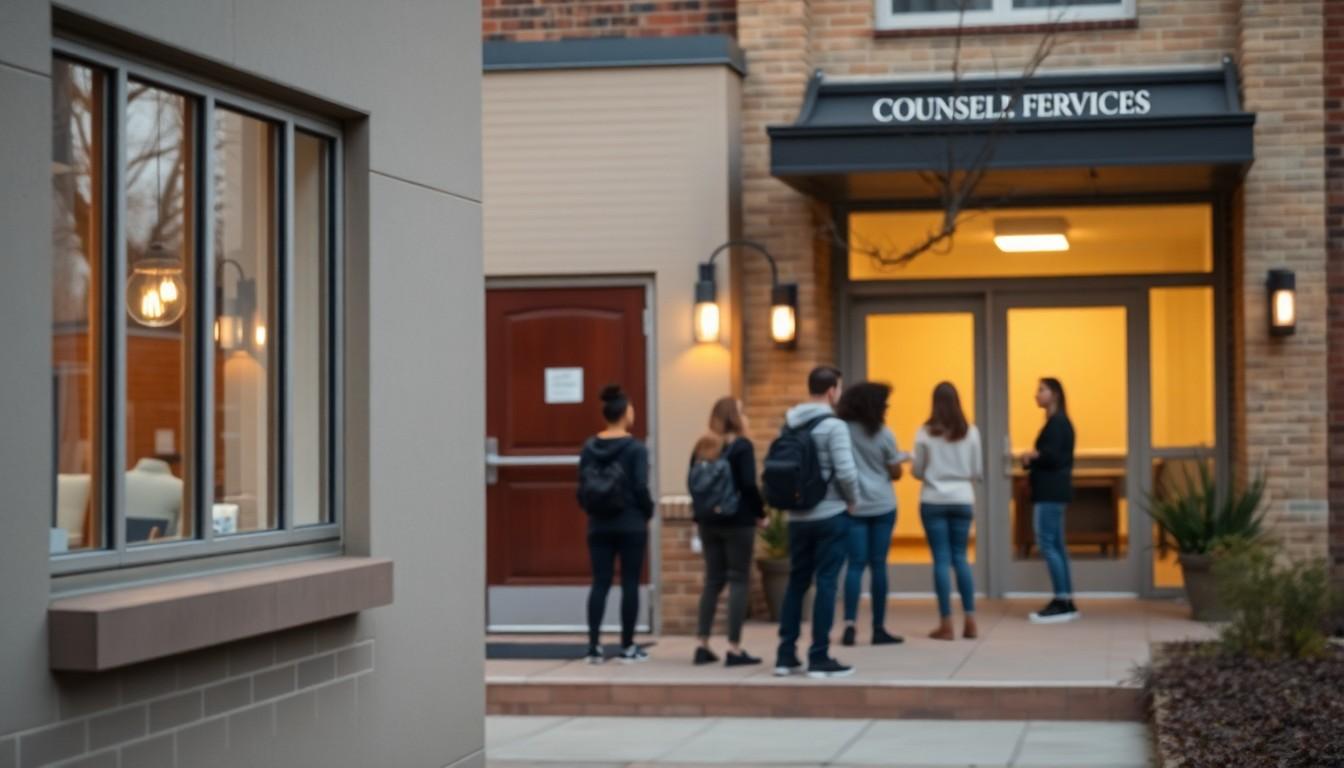
LGBTQ+ young people face a sharply higher suicide risk, but the clearest research also points to practical protection. Across the United States, family acceptance, trusted adults, affirming schools, supportive communities and accessible mental health care can all make a measurable difference. The message is serious, but it isn't hopeless.
The risk is real, but identity isn't the cause
Research consistently shows that LGBTQ+ young people face a far higher risk of suicidal thoughts and attempts than their straight and cisgender peers. The difference isn't caused by being LGBTQ+, but by the rejection, discrimination and isolation that can surround someone who is still working out who they are.
The Trevor Project's national research links this pressure to what experts call minority stress, a persistent strain created by hostile environments and repeated reminders that someone may not be accepted. It can feel like carrying a heavy rucksack everywhere, even when no single incident seems overwhelming. [2], [5]
Transgender young people often face especially severe pressures, including misgendering, barriers to care and threats to their safety. Research on LGBTQ+ youth of colour also highlights how racism can compound anti-LGBTQ+ discrimination, creating several overlapping sources of stress. [4], [7]
One supportive adult can change the picture
A young person doesn't need a perfect family or a flawless support network to benefit from acceptance. One adult who listens, uses the right name and pronouns, takes concerns seriously and makes it clear that home or school remains a safe place can be genuinely protective.
According to The Trevor Project, LGBTQ+ young people who report higher levels of support from adults are less likely to report suicide attempts. That support can come from a parent, relative, teacher, coach, faith leader or school counsellor, so the first step isn't always dramatic. Sometimes it starts with, "I'm glad you told me." [3], [4]
For families, the practical advice is simple but important: avoid treating identity as a phase to be corrected, don't make acceptance conditional on silence, and ask what support the young person needs. A calm response can matter far more than having all the answers immediately.
Schools and online spaces can either cushion or deepen harm
School is where many young people spend most of their waking hours, so its atmosphere matters. Inclusive policies, clear anti-bullying procedures and LGBTQ+ student groups can help create a place where young people aren't forced to stay constantly alert.
The Trevor Project's surveys repeatedly connect supportive environments with better mental health outcomes. A visible student group, a trusted staff member or even a classroom where respectful language is normal can give a young person somewhere to breathe. [5], [6]
Online life is more complicated. Digital spaces can offer friendship and community when local support is missing, but hostile content and harassment can also follow someone home. Helping young people find moderated, affirming communities while setting sensible boundaries around abusive content is more useful than simply demanding they switch off.
Housing and healthcare are part of prevention
Family rejection can push LGBTQ+ young people into unstable housing, which then brings its own pressures: disrupted education, financial insecurity, poor sleep and reduced access to healthcare. In that situation, suicide prevention can't be separated from practical support such as safe accommodation, food and transport.
Mental health services are another essential piece. Yet cost, location, waiting lists and fear of encountering a judgemental provider can keep young people away. The Trevor Project's survey data shows why accessible, culturally competent care matters, particularly for young people who already feel misunderstood. [5], [6]
If you're helping someone find support, ask whether a service has experience with LGBTQ+ clients rather than assuming every provider will be affirming. A therapist who understands identity-related stress can save a young person the exhausting task of explaining why ordinary situations feel unsafe.
Prevention works best when it reaches beyond the individual
It isn't enough to tell LGBTQ+ young people to be more resilient while leaving hostile families, schools and policies unchanged. Research increasingly points towards belonging and legal protection as wider forms of prevention, because they reduce the daily strain that contributes to crisis. [2], [7]
That means supporting LGBTQ+ student groups, challenging discriminatory language, protecting young people from homelessness and ensuring crisis services are easy to reach. It also means paying attention to overlapping identities, since a young person may face racism, disability discrimination, poverty or religious conflict alongside anti-LGBTQ+ hostility. [4], [7]
If someone may be in immediate danger in the United States, call or text 988 for the Suicide and Crisis Lifeline. Stay with them if you can, remove immediate means of harm where it's safe to do so, and involve a trusted adult or emergency service. A listening ear isn't a substitute for professional help, but it can be the bridge that gets someone there.
Small acts of acceptance can become life-saving protection when they happen consistently.
Source Reference Map
Story idea inspired by: [1]
Sources by paragraph: