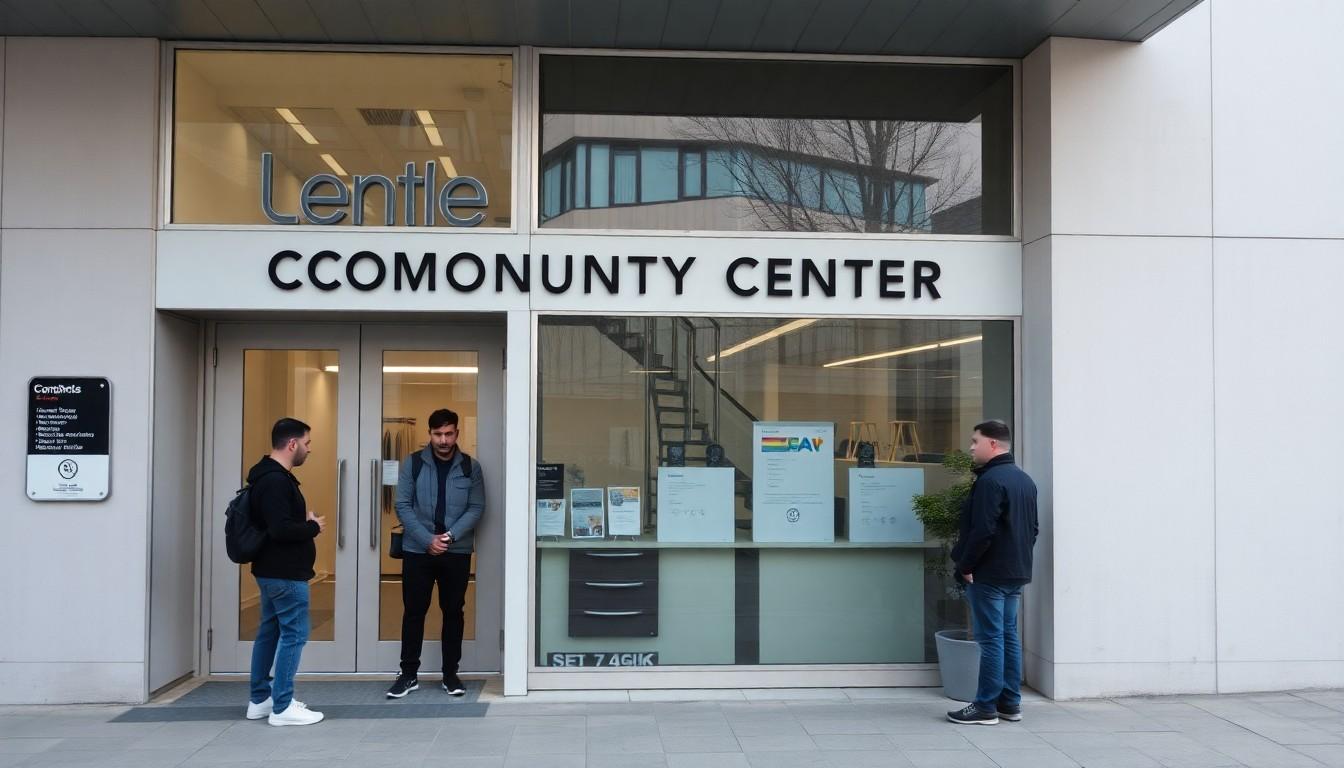
Demonstrators, activists and rights groups are facing a widening crackdown in Türkiye, where coordinated raids and arrests have targeted LGBT organisations, HIV support groups and their allies. The operation has triggered international condemnation, while restrictions on protests and online content raise urgent questions about freedom of association, expression and legal accountability.
Essential Takeaways
- At least 112 people arrested: Rights groups say dozens remain in detention following raids across several Turkish cities.
- Civil society groups targeted: Police searched LGBT rights organisations and groups supporting people living with HIV.
- Protests were disrupted: More than 100 people were detained after gathering outside an Istanbul courthouse.
- Online restrictions expanded: Courts ordered blocks on websites and social media accounts linked to rights groups and reporting.
- International concern is growing: Amnesty International and Human Rights Watch have called for detained activists to be released.
A coordinated crackdown reaches beyond activists
The strongest signal from the latest LGBT rights crackdown in Türkiye is its breadth. Police operations between 12 and 14 September targeted organisations, nightlife venues and individuals in Istanbul, Ankara, Izmir, Aydin and Mersin, according to Human Rights Watch.
At least 112 people were arrested, with many still held under court orders. The allegations reportedly include obscenity, sex work, drug-related offences and breaches of association law. For campaigners, the pattern looks less like a series of ordinary criminal investigations and more like an effort to make LGBT advocacy itself appear suspicious.
Amnesty International has also urged the Turkish authorities to halt what it described as an escalating campaign against LGBTI groups and release detained activists. That international response matters because the arrests affect not only campaigners, but also the wider network of legal, health and community support around them.
Why HIV support groups are caught up in the operation
Among the organisations affected are groups supporting people living with HIV. These services often provide practical help, including information, referrals and assistance for people who may avoid mainstream institutions because of stigma.
The inclusion of HIV support organisations has alarmed rights advocates. The Los Angeles Times reported that the raids reached beyond LGBT campaign groups, drawing health-focused civil society organisations into the authorities' investigation.
That creates a chilling effect. If providing sexual-health information or supporting a marginalised community is treated as evidence of wrongdoing, organisations may reduce their work, volunteers may step back and people needing help may simply disappear from view. It is difficult to see how that improves public health.
Family values rhetoric is driving the political message
The operation was announced in the context of President Recep Tayyip Erdogan's government promoting a long-term focus on the family. Officials have framed the campaign around protecting children, young people and social morality, language that has become increasingly familiar in debates over LGBT rights in Türkiye.
Human Rights Watch argues that the family-protection framing is being used to justify discrimination rather than to address a specific threat. Amnesty International has similarly warned that broad claims about morality and social order can be used to criminalise legitimate advocacy.
The political messaging is clear, but the legal boundaries appear far less so. When prosecutors are encouraged to examine online content, digital evidence and alleged challenges to gender distinctions, ordinary speech can quickly become part of a criminal investigation. That uncertainty is precisely what makes the crackdown so intimidating.
Protest arrests and website blocks widen the pressure
The authorities' response has not stopped at raids. Police used pepper spray during a gathering in Izmir, while more than 100 people were detained after assembling outside an Istanbul courthouse to protest the arrests. They were reportedly held for more than 24 hours before being released.
The Washington Post reported on the arrests and the wider operation, while the Associated Press highlighted the scale of the raids and the pressure on LGBT and HIV-related organisations. Taken together, the events suggest a campaign affecting both organised groups and people attempting to challenge the policy publicly.
Online space has narrowed too. According to Human Rights Watch, courts ordered blocks on websites and social-media accounts belonging to rights groups, activists and media organisations. Restrictions reportedly affected accounts linked to Amnesty International in Türkiye and other civil-society and journalism groups.
What the crackdown means for the rule of law
The central concern is not only whether specific charges will stand. It is whether criminal law, association rules and online restrictions are being used selectively to suppress unpopular views.
The World Socialist Web Site described the operation as part of a broader assault on LGBT rights and civil liberties, while other international reporting has focused on the detention of activists and the targeting of advocacy organisations. Rights groups say the cases should be judged through transparent evidence, access to lawyers and independent courts, rather than political language about morality.
That distinction is important for everyone. Once peaceful association, journalism or health support can be recast as organised criminal activity, the precedent reaches well beyond LGBT communities. As one campaigner might put it, a law that is vague enough to silence one group can eventually unsettle many others.
The coming weeks will show whether detainees are released, charged or kept in prolonged proceedings. For now, the combination of arrests, protest restrictions and digital censorship has left Türkiye's civil society facing a tense and uncertain autumn.
The outcome will test whether family rhetoric can be kept separate from the basic rights of expression, association and due process.
Source Reference Map
Story idea inspired by: [1]
Sources by paragraph:
- Paragraph 1: [2], [4]
- Paragraph 2: [3], [5]
- Paragraph 3: [2], [7]
- Paragraph 4: [5], [6]
- Paragraph 5: [3], [7]
- Paragraph 6: [2], [4]
- Paragraph 7: [7], [4]
- Paragraph 8: [2], [6]
- Paragraph 9: [3], [5]
- Paragraph 10: [2], [7]
- Paragraph 11: [4], [6]
- Paragraph 12: [2], [3]
- Paragraph 13: [5], [7]
- Paragraph 14: [2], [4]