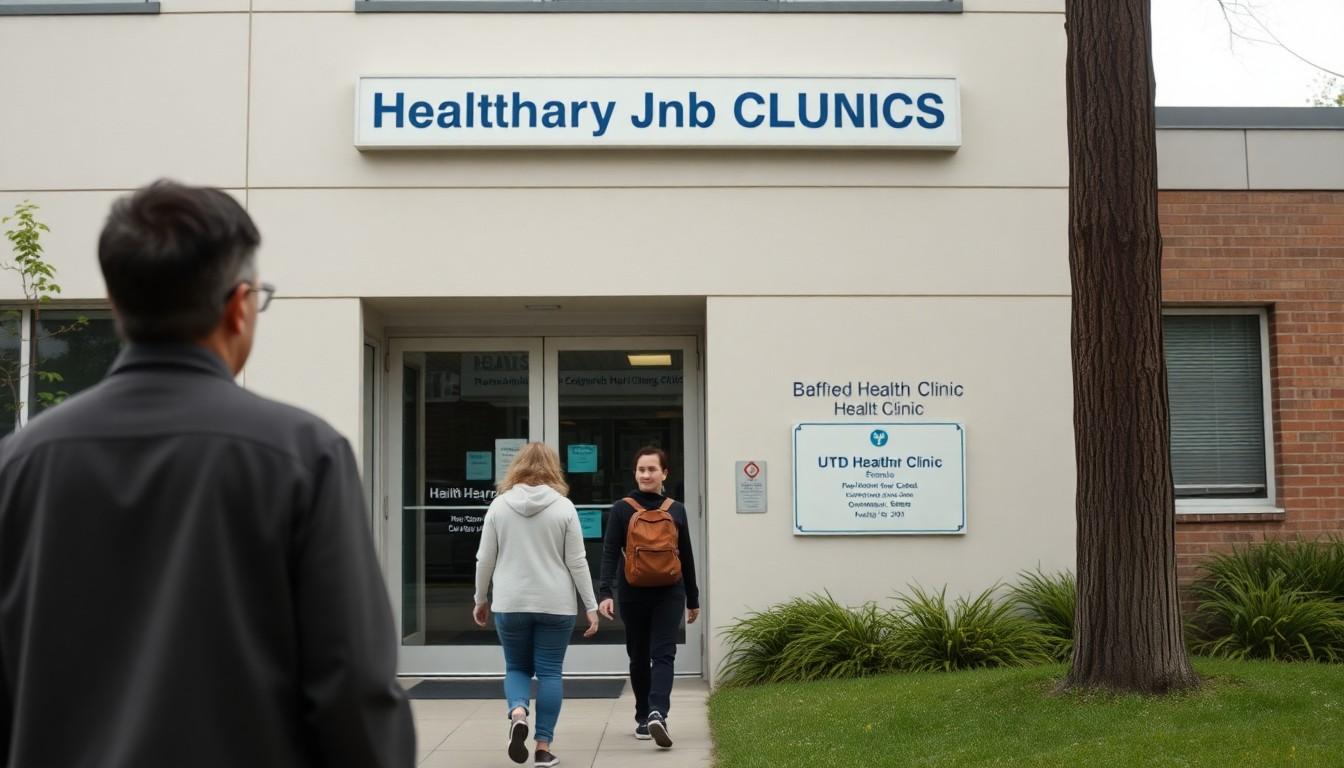
Researchers and health advocates say modern HIV prevention is more powerful than ever, yet stigma, cost and uneven healthcare access still stop many people from using it. For Latino communities, language gaps, immigration concerns and culturally mismatched services can make PrEP and testing harder to reach, even as prevention options become simpler and longer-lasting.
Essential Takeaways
- PrEP is highly effective: When taken as prescribed, it can cut the risk of acquiring HIV by around 99%.
- Prevention is expanding: Options now include daily tablets, injections given every few months and newer longer-acting approaches.
- Stigma still bites: Fear, shame and assumptions about sexuality can discourage people from testing or asking about PrEP.
- Access is practical as well as medical: Appointment costs, laboratory tests, transport and insurance all matter.
- Culturally appropriate care is crucial: Spanish-language support alone may not bridge every cultural or trust gap.
HIV prevention has moved far beyond fear-based messaging
The most striking change in HIV prevention is how much control people can now take for themselves. PrEP, or pre-exposure prophylaxis, gives HIV-negative people an effective way to reduce their risk before exposure, rather than relying entirely on a partner or a single conversation about condoms.
That shift matters because older sexual health lessons often leaned heavily on frightening warnings. Research and public health discussions have increasingly pointed towards more practical, inclusive education, particularly for Latino communities and other groups that have historically faced gaps in care. The message is less about panic and more about giving people accurate choices.
Treatment has transformed the outlook, too. People living with HIV who take effective medication can live long, healthy lives, and those who maintain an undetectable viral load don't transmit HIV sexually. It's a remarkable medical success story, although public understanding hasn't always caught up.
Why stigma still keeps people away from PrEP
PrEP is not simply a pill or injection. For some people, it can feel like a public statement about their sex life, sexuality or perceived risk. That can be enough to make an otherwise straightforward healthcare decision feel exposed and uncomfortable.
Studies of HIV prevention among Latino communities have highlighted how stigma can overlap with racism, homophobia, expectations around masculinity and concerns about immigration or confidentiality. As a result, someone may know that PrEP exists but still not believe it's meant for them, or worry that a clinician will judge them.
This is where language becomes more than a translation issue. A Spanish-speaking patient may need a provider who understands the cultural context around family, faith, sexuality and privacy, not merely someone who can repeat medical terms in Spanish. The difference can determine whether a person feels welcomed or quietly shuts down.
Access depends on more than a prescription
A person asking for PrEP may need an HIV test, regular follow-up, laboratory monitoring and a reliable way to collect medication. For someone without insurance, those steps can quickly turn an apparently free service into a costly and time-consuming process.
Research on HIV prevention and care has repeatedly drawn attention to structural barriers affecting Latino patients, including inconsistent insurance coverage, transport difficulties and limited access to trusted services. The problem is especially sharp when clinics are far away or appointments require time off work that someone can't afford to lose.
Providers also need confidence and training. If a doctor doesn't routinely discuss PrEP, patients may never hear about it, even when it's clinically appropriate. Asking directly can help: "Could we talk about whether PrEP is right for me?" It's a small sentence, but it puts prevention back on the table.
New options could make prevention easier to fit into real life
Daily medication works well for many people, but it isn't the only route. Longer-acting injectable PrEP can reduce the burden of remembering a tablet every day, which may appeal to people with busy schedules, privacy concerns or difficulty maintaining a regular routine.
Other prevention tools are developing alongside PrEP. Doxycycline post-exposure prophylaxis, often called doxy PEP, may reduce the risk of some bacterial sexually transmitted infections for selected groups, although it doesn't prevent HIV and isn't suitable for everyone. A clinician can explain whether it fits a person's circumstances.
These choices are important because there is no single perfect prevention plan. Some people prefer a discreet daily routine, while others would rather attend occasional appointments. The best option is the one that is medically appropriate and realistic enough to keep using.
Supportive conversations can change the tone
Friends, partners and colleagues don't need to become sexual health experts. They can start by treating testing, PrEP and STI care as ordinary acts of self-care rather than evidence of recklessness. That means avoiding jokes, gossip and loaded language, especially online, where a careless comment can linger.
For people who feel unsafe discussing sexual health at home, a trusted friend, community group or specialist clinic may offer a safer starting point. No one should be pressured into confronting a family member or disclosing personal information if doing so could threaten their emotional, financial or physical safety.
The wider outlook is encouraging, even if progress feels uneven. Medical innovation has made HIV prevention more flexible and HIV treatment extraordinarily effective; the next challenge is making sure stigma and service gaps don't decide who benefits.
It's a small but powerful shift: make prevention easier to ask for, easier to afford and easier to discuss.
Source Reference Map
Story idea inspired by: [1]
Sources by paragraph:
- Paragraph 1: [2], [4]
- Paragraph 2: [3], [5]
- Paragraph 3: [6], [7]
- Paragraph 4: [2], [5]
- Paragraph 5: [4], [6]
- Paragraph 6: [3], [7]
- Paragraph 7: [2], [4]
- Paragraph 8: [5], [6]
- Paragraph 9: [3], [7]
- Paragraph 10: [2], [4]
- Paragraph 11: [3], [6]
- Paragraph 12: [5], [7]
- Paragraph 13: [2], [4]
- Paragraph 14: [3], [5]
- Paragraph 15: [6], [7]
- Paragraph 16: [2], [3]
- Paragraph 17: [4], [6]
- Paragraph 18: [5], [7]