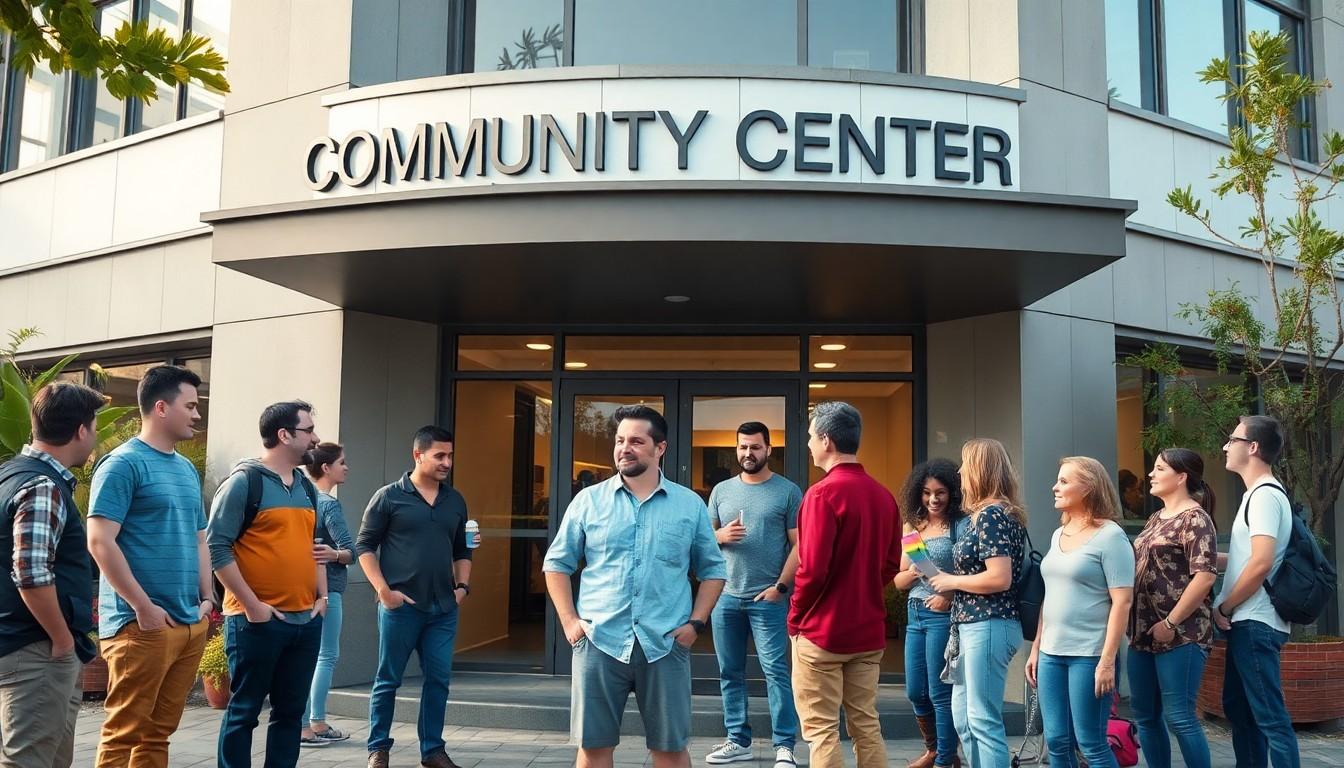
A recent concert encounter has reopened an important question: is quietly accepting LGBTQ+ people enough? For straight allies, educators, politicians and friends across the UK and beyond, visible support matters because silence can be mistaken for agreement, particularly when anti-trans rhetoric is growing louder online and in public life.
Essential Takeaways
- Silence can be unclear: Private support doesn't always tell LGBTQ+ friends where you stand.
- Allies should act: Challenging prejudice, sharing reliable information and backing inclusive policies all matter.
- Small moments count: Correcting a casual joke or assumption can make a space feel safer.
- Support needs care: Listen first, avoid speaking over LGBTQ+ people and respect their boundaries.
- Consistency builds trust: Allyship is most convincing when it continues beyond awareness events.
Quiet acceptance isn't always enough
A slogan on a cross-body bag at a concert might seem like a small gesture, but it can offer something valuable: clarity. In a crowded room where nobody knows anyone else's politics, an unmistakable sign of support can reassure LGBTQ+ people that they aren't entirely on their own.
That matters because people often make judgements from what's visible. The Human Rights Campaign describes allyship as active support rather than a private feeling, a distinction that's easy to overlook when staying quiet feels safer or less awkward.
Being "not against" LGBTQ+ people is a starting point, not a finished position. As guidance from Straight for Equality makes clear, allies need to learn, speak up and take responsibility for challenging exclusion, even when the issue doesn't affect them personally.
Why straight allies have a particular responsibility
Straight people are less likely to face discrimination based on their sexual orientation, which can make LGBTQ+ rights feel distant from everyday life. But distance isn't the same as irrelevance. Friends, relatives, colleagues, pupils and neighbours may all be affected by the political decisions and social attitudes that straight people can afford to ignore.
The idea of the straight ally has therefore developed around solidarity rather than rescue. Wikipedia's overview of the term reflects its broad meaning: a straight person who supports LGBTQ+ equality and works against prejudice.
That work doesn't require perfect language or expert knowledge. It does require a willingness to notice when someone is being targeted and to resist the comfortable assumption that someone else will intervene.
Allyship starts with ordinary interruptions
The most useful action is often remarkably unglamorous. A straight person can question an anti-LGBTQ+ joke, correct a colleague's assumption about a partner or object when a trans person is misgendered. These moments may feel brief, but they help set the tone of a workplace, classroom or family gathering.
North Dakota State University's LGBTQ+ resources encourage allies to educate themselves, use respectful language and create environments where people can feel safe and included. That doesn't mean turning every conversation into a debate. Sometimes the best response is calm and direct: "That's not appropriate," or "Please use the name and pronouns they gave you."
The LGBTQ+ Bar Association also highlights the importance of professional allyship, showing that support isn't limited to social settings. Lawyers, managers, teachers and public officials all have influence over systems that can either protect people or leave them exposed.
Speaking up without making it about yourself
There is a trap in visible allyship: the supporter can accidentally become the centre of the story. A rainbow badge, social-media post or supportive sign can help, but it should never replace listening to LGBTQ+ people or taking their lead on what support is needed.
The better approach is practical. Learn about local protections, check sources before sharing claims, support LGBTQ+ organisations and ask friends what would be useful rather than assuming. The Human Rights Campaign's ally resources make a similar case for ongoing education and action.
It also helps to accept correction without defensiveness. Nobody gets every term right forever, and a quick apology followed by better behaviour is more useful than a long explanation about good intentions.
The loudest voices don't have to win
Public debate around trans participation in sport, school library books and healthcare can make it seem as though hostile voices are everywhere. They may be loud, but they aren't the only voices available. Straight allies can write to representatives, support inclusive institutions and make sure LGBTQ+ people aren't left to argue their own humanity alone.
LGBTQ+ Nation's advice on becoming a better ally focuses on consistency, education and action rather than performative gestures. That's a useful test: would your support still exist when there isn't a hashtag, event or audience?
A person at a concert carrying a message of support may not change policy on their own. But they can make another person feel less isolated, and they can signal to everyone nearby that prejudice won't automatically receive a polite silence.
What meaningful support looks like now
Start with the basics: listen, learn the relevant language, challenge discrimination and support LGBTQ+ people when they're present and when they're not. If a conversation becomes hostile, prioritise safety rather than forcing a confrontation, and follow the lead of the person most affected.
Most importantly, don't wait for a perfect moment. Allyship is built through repeated, ordinary choices, from checking a workplace policy to refusing to laugh at a cruel joke. It may not feel dramatic, but that's often how lasting cultural change begins.
Visible support is useful, but dependable support is better.
It's not enough to stay neutral when people need someone clearly on their side.
Source Reference Map
Story idea inspired by: [1]
Sources by paragraph: