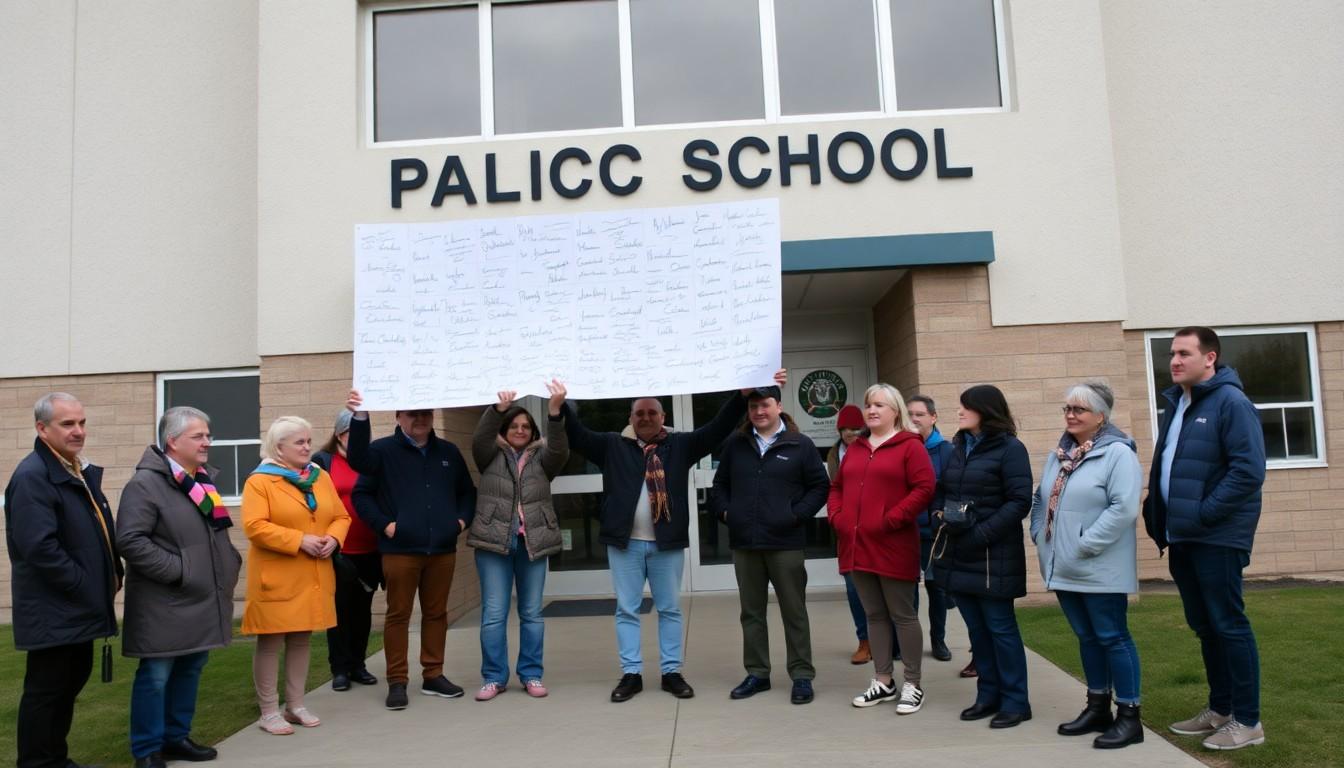
Fairbanks parents and community members are asking the school district to pause classroom implementation of its LGBTQ History Month resolution while officials review Alaska law, curriculum rules and parental-notification requirements. The petition doesn't seek to overturn the October recognition, but it has quickly become a flashpoint over transparency, school content and who decides what enters the classroom.
Essential Takeaways
- The resolution: Fairbanks North Star Borough School District approved recognition of October as LGBTQ History Month.
- The petition: More than 400 verified signatures were reported, with organisers seeking a pause on instructional activity.
- What parents want: Written details on lessons, books, speakers, displays and other planned materials.
- The legal question: Petitioners want officials to check whether Alaska rules on sexual-content education and parental notice apply.
- The wider debate: Supporters see recognition as inclusion, while opponents fear new teaching material could bypass normal curriculum procedures.
Fairbanks parents want a pause, not a reversal
The dispute began after the Fairbanks North Star Borough School Board approved Resolution 2027-08, recognising LGBTQ History Month in October. According to Alaska Watchman, the measure passed through the board's consent agenda, while public testimony later reflected sharply divided views.
The petition, hosted on Change.org, is careful about its wording. Rather than asking the board to cancel the recognition, it asks Superintendent Luke Meinert to pause any lessons, activities or materials linked to the resolution until the district completes a legal and policy review.
That distinction matters. A ceremonial acknowledgement is one thing; a new classroom programme is another. Parents are essentially asking the district to draw that line in writing before October arrives.
What could LGBTQ History Month mean in schools?
At the heart of the argument is an unanswered practical question: what will students actually see and do?
The petition asks the district to identify any planned books, videos, lessons, displays, presentations, guest speakers, assemblies or teacher-created resources. It also asks whether discussions involving sexuality or gender identity could trigger existing approval, review or notification requirements.
Alaska's News Source reported on the district's decision to recognise the month, while the petition itself argues that recognition should not automatically create a route for new instructional content. That concern echoes a familiar school debate: families generally want inclusion and safety, but they also want to know how broad initiatives become day-to-day teaching.
Why curriculum rules are driving the argument
The petition points to Alaska statutes covering parental rights, sexual matters in education and the approval of related curriculum or materials. It doesn't claim that every historical reference to an LGBTQ person automatically falls under those provisions. Instead, it asks the district to decide which planned activities, if any, do.
That is a more technical question than the heated public language around the issue might suggest. A history lesson about a notable figure, a school display and a programme discussing sexual identity may sit in very different policy categories.
The petition also notes that the district recently completed a formal K-12 social studies curriculum process. Its argument is straightforward: if October recognition means extra history teaching, parents should be told where that material fits within the curriculum already approved.
The fight over transparency is bigger than one calendar month
The petition reflects a broader national argument about whether schools should mark identity-focused awareness months, and how much say families should have over the content. KUAC has previously covered LGBTQ History Month in an Alaskan school context, showing that the subject isn't entirely new in the state.
Supporters of recognition typically frame it as a way to acknowledge overlooked people and histories, while critics worry that schools could move from recognition into advocacy without enough public discussion. Neither side is likely to find the other's language comforting, which is precisely why clear implementation guidance would help.
The district's own resolutions page is the natural place for families to follow the formal record. In practice, though, parents will also want concrete answers from their individual schools: will anything be taught, when will it happen and can families review the materials beforehand?
What families should look for next
The most useful next step would be a written district explanation separating ceremonial recognition from classroom instruction. Families should look for details on planned resources, age suitability, teacher guidance, parental notification and the process for reviewing or withdrawing from covered activities where applicable.
They should also read the exact resolution rather than relying on social-media summaries or campaign language. The Change.org petition lays out the requests in full, while reporting from Alaska Watchman and Alaska's News Source provides additional context around the board vote and community reaction.
This controversy may settle down if the district confirms that October will involve only displays or acknowledgements. If it plans lessons or events, however, the argument is likely to continue until the rules, materials and responsibilities are made plain.
A clear paper trail won't satisfy everyone, but it could make the debate less about suspicion and more about the actual plan.
A transparent plan is the simplest way to keep recognition and parental choice in the same conversation.
Source Reference Map
Story idea inspired by: [1]
Sources by paragraph:
- Paragraph 1: [3], [5]
- Paragraph 2: [4], [6]
- Paragraph 3: [2], [4]
- Paragraph 4: [3], [5]
- Paragraph 5: [4], [5]
- Paragraph 6: [4], [2]
- Paragraph 7: [1], [4]
- Paragraph 8: [2], [3]
- Paragraph 9: [7], [5]
- Paragraph 10: [2], [4]
- Paragraph 11: [4], [5]
- Paragraph 12: [2], [3]
- Paragraph 13: [4], [6]
- Paragraph 14: [2], [5]
- Paragraph 15: [4], [3]