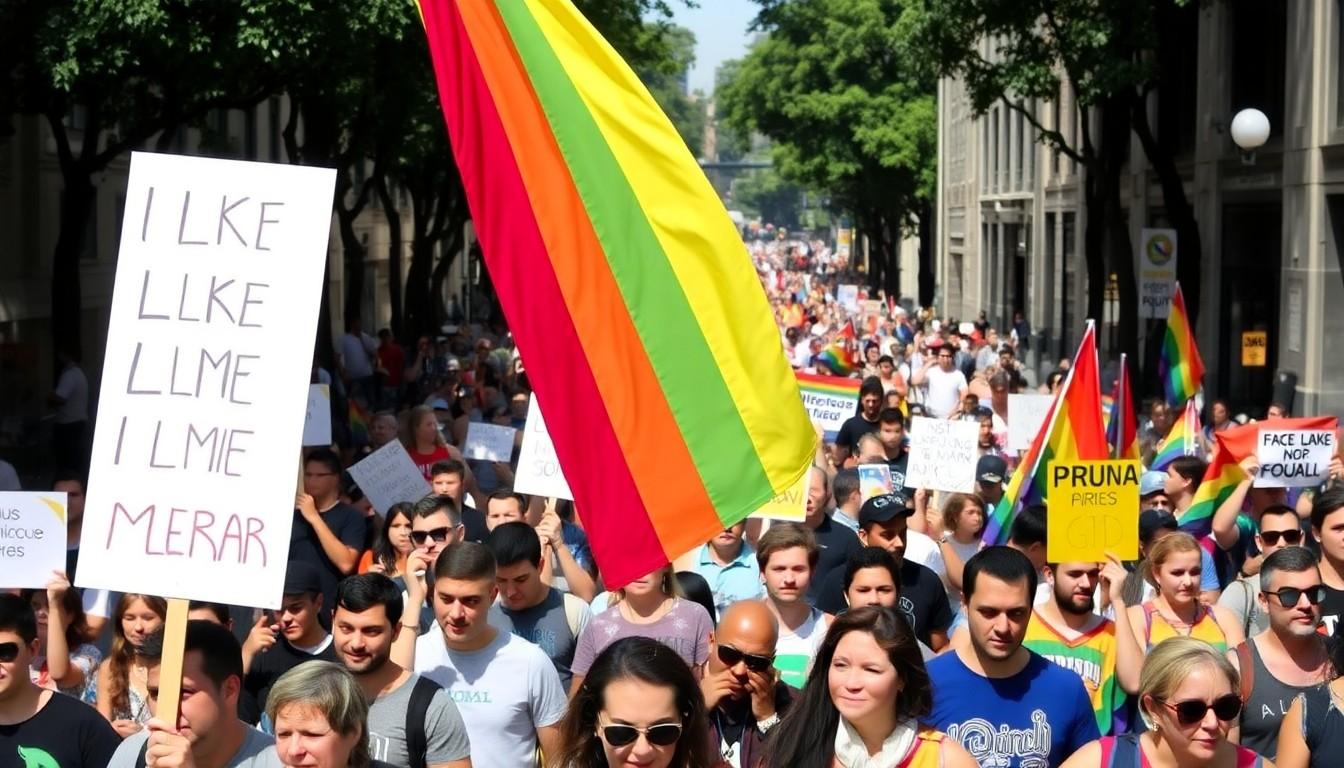
Organisers of Buenos Aires’ Marcha del Orgullo are refusing to move the 7 November event, setting up a high-profile clash with the city’s security plans for Pope Leo XIV’s visit. The dispute matters for thousands of attendees who’ve already booked travel and accommodation, as well as for a city preparing for an unusually demanding week.
Essential Takeaways
- The dates overlap: Pope Leo XIV is expected in Argentina from 8 to 11 November, while Pride organisers plan to march on 7 November.
- Public events are restricted: Buenos Aires has barred most public-space events from 6 to 13 November, apart from official papal activities.
- Organisers rejected a new date: The city proposed 21 November, but the organising commission says the march will go ahead as planned.
- Planning is already under way: Many attendees have arranged transport, hotels and other commitments months in advance.
- Security will be substantial: Reports point to extensive preparations around the pope's visit, with crowd management likely to shape the dispute.
Why Buenos Aires Pride is refusing to move
The immediate issue is practical, but the emotion runs deeper. The Buenos Aires government says it needs the 6 to 13 November window to manage the large-scale security and logistical operation surrounding the pope's visit. The city has therefore suspended most public events during that period, creating a direct collision with Pride plans.
Organisers, however, say the march isn't a simple appointment that can be shifted in a diary. Argentina's Pride event has a long-established national rhythm, and people from across the country have already committed money and time to attend. GayCities lists the march as a major Buenos Aires event, reflecting its importance to visitors as well as local participants.
The commission has proposed keeping the 7 November date, while the city has suggested 21 November instead. That difference may look modest on a calendar, but it represents a much bigger question about who gets to occupy the capital's public spaces, and when.
The pope's visit brings an exceptional security operation
Pope Leo XIV's trip is expected to draw large crowds and require road closures, restricted areas and a heavy security presence. Local reporting from Tribu TV has described preparations designed to protect the pontiff and manage public movement, while El Pais has reported broader security changes around Argentina's presidential residence.
That helps explain the city's position. A papal visit isn't just a public appearance; it's a moving operation involving international protection, emergency services, transport coordination and crowd-control measures. Even a well-organised march would add another layer of complexity during an already tightly managed week.
Still, the Pride commission says it understands the significance of hosting a head of state and the leader of the Catholic Church. Its objection is that the security burden shouldn't automatically override a major civic demonstration, particularly when the march is scheduled for the day before the pope arrives.
A fixed date with a long history
Argentina's national Pride march is held on the first Saturday of November, rather than during the June and July period common in many other countries. The date commemorates the founding of Nuestro Mundo, one of Latin America's earliest gay rights groups, and has been observed since 1997.
That history gives the event a distinctive identity. It isn't merely a colourful parade added to Buenos Aires' events calendar; it's a politically and culturally significant gathering with its own traditions, networks and travel patterns.
The CSD Termine listing also presents Buenos Aires Pride as a recognised fixture for the international LGBTQ+ community. For overseas visitors, changing the date can affect flights, accommodation and onward travel. For domestic attendees, the disruption may be even more personal, especially when group plans have been arranged across several provinces.
What the dispute means for visitors
Anyone planning to attend should keep an eye on official announcements rather than relying on older event listings. The 7 November date remains the organisers' stated plan, but the city's public-space restrictions could affect routes, permits, transport and nearby venues.
It's also worth booking flexible accommodation where possible and checking cancellation rules before committing to non-refundable travel. If the march goes ahead amid wider security controls, expect bag checks, diversions, delays and changes to public transport around central Buenos Aires.
For visitors unfamiliar with the city, the safest approach is to allow extra time and avoid assuming that a familiar route will remain open. Large civic events are usually manageable, but this particular weekend could feel unusually busy, tightly controlled and noisy.
A test of Buenos Aires' public-space politics
The stand-off is now about more than one Saturday. The city says it wants the march to take place safely and has offered a later date, while organisers argue that moving it would undermine months of federal planning and exclude people who have already made arrangements.
El Pais has reported that possible reception scenarios for the pope were being considered well before the visit, underlining how much preparation surrounds the trip. That long lead time may make the eventual compromise easier to organise, but it also sharpens the question of why the Pride march wasn't accommodated earlier.
For Buenos Aires, the challenge will be to show that security planning and democratic expression can share the same city. That may require a creative agreement rather than a simple postponement.
The coming weeks will show whether Buenos Aires can make room for both historic visibility and papal ceremony.
Source Reference Map
Story idea inspired by: [1]
Sources by paragraph: