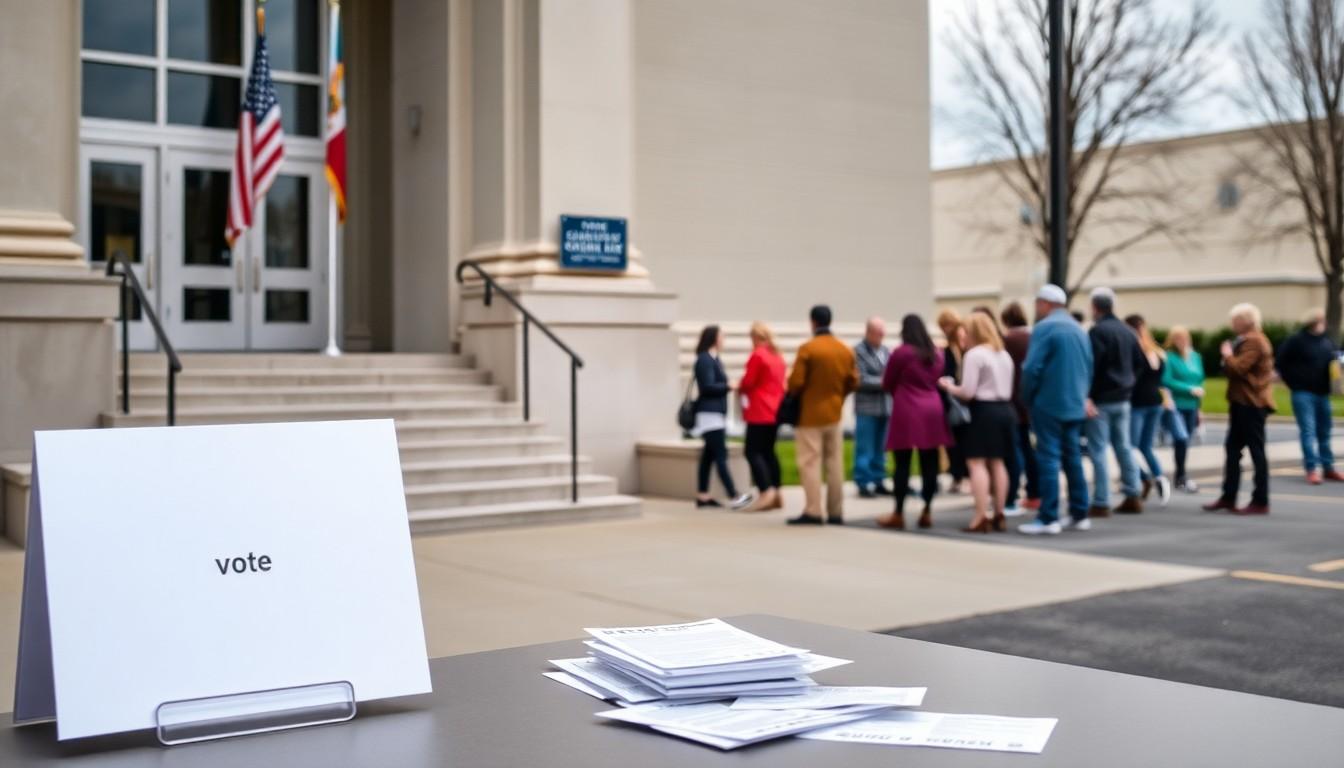
Voters are preparing for a consequential 2026 US midterm election, with LGBTQ+ families facing decisions on representation, legal protections and local policy. From Congress to school boards, knowing the rules, candidates and deadlines could help turn individual participation into meaningful collective influence this November.
Essential Takeaways
- Election date: The 2026 US midterms are scheduled for Tuesday, 3 November.
- National stakes: All 435 House seats and 35 Senate seats are due to be contested.
- Local power: Governors, mayors and school boards can directly affect education, healthcare and family policy.
- Plan early: Registration, voter ID and postal voting rules vary by state.
- Community strength: LGBTQ+ voters and allies can make their influence count by participating across the ballot.
Why showing up matters more than ever
Democracy can sound grand and distant, but its effects often arrive at the school gate, the GP surgery or the council meeting. For LGBTQ+ families, a decision made by a local board or state legislature can shape whether children feel safe, whether parents receive equal recognition and whether healthcare remains accessible.
That makes voting more than a once-every-four-years ritual. It’s one practical way to influence who writes, defends and enforces the rules. The Human Rights Campaign has highlighted the importance of LGBTQ+ civic participation, including voting, organising and community engagement.
The emotional reality is simple: people want to know that their families will be treated fairly. Turning up won’t solve every problem overnight, but staying home guarantees someone else makes the decision.
The 2026 ballot reaches far beyond Washington
The headline figures are substantial. Voters are expected to choose representatives for every seat in the House, 35 Senate positions and 36 governorships, alongside thousands of state and local contests.
Those less glamorous races can be particularly important. Governors influence appointments and state policy, while attorneys general decide how aggressively laws are defended. Mayors, councillors and school-board members can affect public services, curriculum decisions and the day-to-day climate around families.
The stakes are also reflected in LGBTQ+ advocacy campaigns. The Human Rights Campaign's 2026 electoral programme signals a more organised push to mobilise voters and support equality-focused candidates and issues.
Rights, healthcare and schools are all in the frame
The elections are unfolding amid continuing disputes over transgender rights, participation in sport, healthcare and education. Advocacy groups say the results could influence whether existing safeguards are upheld, expanded or challenged.
LGBTQ+ Nation has reported that trans rights are a central concern in the midterm landscape, with policy debates reaching well beyond national headlines. Meanwhile, Equality PAC has endorsed LGBTQ+ candidates for the 2026 contests, underlining the importance of representation as well as policy.
For voters, the useful question isn’t simply, “Who’s running for president?” There is no presidential election in a midterm year. Instead, check every contest on your ballot, including candidates for governor, legislature, attorney general and school board. The small print may be where the biggest consequences hide.
A practical LGBTQ+ voter checklist
Start by checking your registration and making sure your name and address are correct. Official state election websites are the safest place to confirm your status, while national advocacy organisations can help explain the process.
Next, look up the rules that apply where you live. Deadlines for postal ballots, early voting and registration differ widely, and voter ID requirements can be confusing. If your name or gender marker has changed, check the relevant guidance early rather than waiting until polling day.
Finally, make a voting plan. Decide whether you'll vote by post, in person or during an early-voting period, then note the deadline in your diary. If a friend or relative is unsure about the process, offer practical help without taking over. A reminder, a lift or a shared cup of coffee can make participation feel much less daunting.
Collective action starts with ordinary people
Not everyone can run for office, attend every meeting or become a campaign organiser. That doesn’t make their contribution insignificant. A vote, a conversation and a willingness to learn the local issues can all add weight to a wider movement.
The Human Rights Campaign’s civic and political engagement work reflects that broader approach, connecting voting with sustained community participation. The point is not to wait for a heroic figure to appear. It’s to recognise that democratic power is built from many ordinary decisions.
There’s something reassuring in that idea. A busy parent, a first-time voter or an ally who has never joined a campaign can still take one useful step. In a tense political climate, that small act can feel surprisingly powerful.
Make a plan, check your ballot and show up for the issues that shape everyday life.
Source Reference Map
Story idea inspired by: [1]
Sources by paragraph: