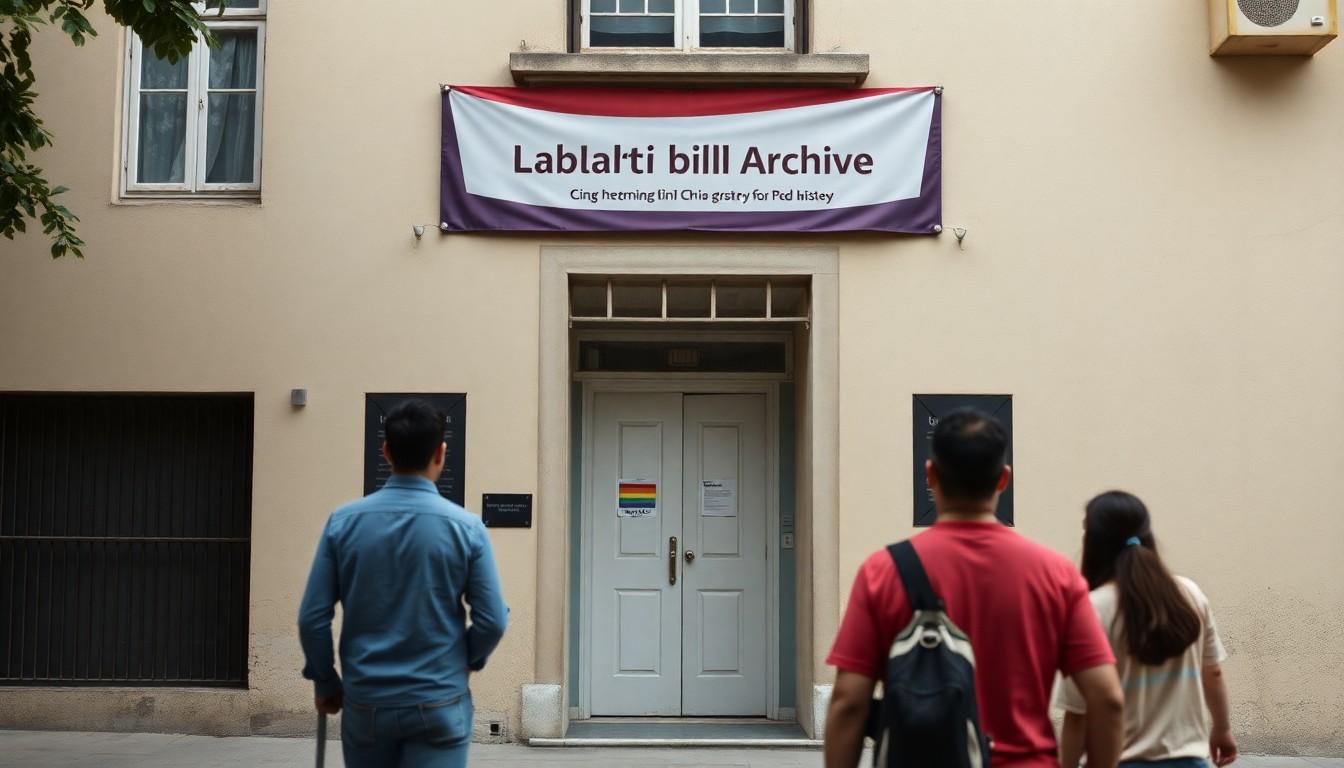
Visitors can now explore Brazil’s LGBTI+ history online through MUMO LGBTI+, a digital museum created by Grupo Arco-Íris. Its growing collection brings together documents, photographs, oral accounts, art and movement records, making an important part of the country’s activism accessible to researchers, educators and anyone determined not to let these stories disappear.
Essential Takeaways
- Open access: MUMO LGBTI+ makes its collection available online for public consultation.
- A living archive: The museum brings together activism, cultural work, oral history and social-movement records.
- Built collaboratively: Grupo Arco-Íris supplied core material, while activists contributed donations and researchers helped classify it.
- More than a website: The project also envisages exhibitions, education, research and physical collections.
- Memory with purpose: Preserving LGBTI+ history helps connect today’s rights with the people who fought for them.
A digital museum with a very real purpose
The strongest thing about MUMO LGBTI+ is its accessibility. There’s no imposing doorway, ticket queue or need to travel across Brazil. The history of LGBTI+ activism can be explored from a laptop or phone, with records that give texture to struggles often reduced to a few lines in official accounts.
According to the museum’s online platform, the collection is intended to preserve and share material linked to Brazil’s LGBTI+ movements, culture and achievements. That makes it useful not just for specialists, but for students, families and curious visitors who want to understand how change actually happened. Sources including DasArtes describe the initiative as a digital museum dedicated to safeguarding that national history.
How MUMO LGBTI+ came together
The project grew from material held by Grupo Arco-Íris, alongside donations from activists. Researchers from UNIRIO’s Museology Experimental and Image Research Group contributed technical work voluntarily, helping organise and classify the material so it could be consulted more clearly.
The initiative began in 2019 as a documentation project focused on LGBTI+ memory. It later developed into a broader programme of social, community and thematic museology, according to coverage from Flávio Resende. That evolution matters because an archive isn’t simply a storage cupboard with better lighting. It needs care, context and people willing to keep it alive.
What visitors can expect to find online
MUMO brings together documents, personal narratives, artistic production and records of social movements. Together, these sources offer something a single official timeline rarely can: the everyday detail behind public milestones, from organising and protest to cultural expression and community life.
The platform’s emphasis on varied formats is particularly valuable. A photograph can capture a mood, a testimony can restore a missing voice, and a campaign document can show how carefully hard-won progress was built. The museum’s own website presents this material as an open resource, while cultural coverage highlights its role in preserving the movement’s history in Brazil.
Why preserving LGBTI+ memory still matters
Memory can sound gentle, even nostalgic, but this project is making a sharper point. Groups whose experiences have been ignored, distorted or pushed to the margins are especially vulnerable when records are scattered, lost or left in private hands.
Cláudio Nascimento, president of Grupo Arco-Íris and director of public policy at Aliança Nacional LGBTI, told Jornal de Brasília that preserving LGBTI+ memory is “a deeply political and democratic act”. The comment gets to the heart of the museum’s importance: remembering who organised, protested and created is part of understanding where rights came from.
A collection that can keep growing
The launch is better understood as a beginning than a finished catalogue. The project combines digital and physical holdings with exhibitions, educational activity, research and knowledge production, leaving room for new donations and further discoveries.
That open-ended approach also fits the nature of community history. The most meaningful additions may come from an old photograph in a drawer, a leaflet saved after a march or a story someone has never previously written down. The National Museums portal’s programming around memory and affection reinforces how personal records can carry both emotional and historical weight.
For visitors, the advice is simple: browse slowly, follow the names and themes that catch your attention, and treat the archive as a starting point for learning rather than a quick scroll. Your first visit may take minutes, but the stories can stay with you much longer.
MUMO LGBTI+ shows that preserving history can be both a public service and an act of courage.
Source Reference Map
Story idea inspired by: [1]
Sources by paragraph: