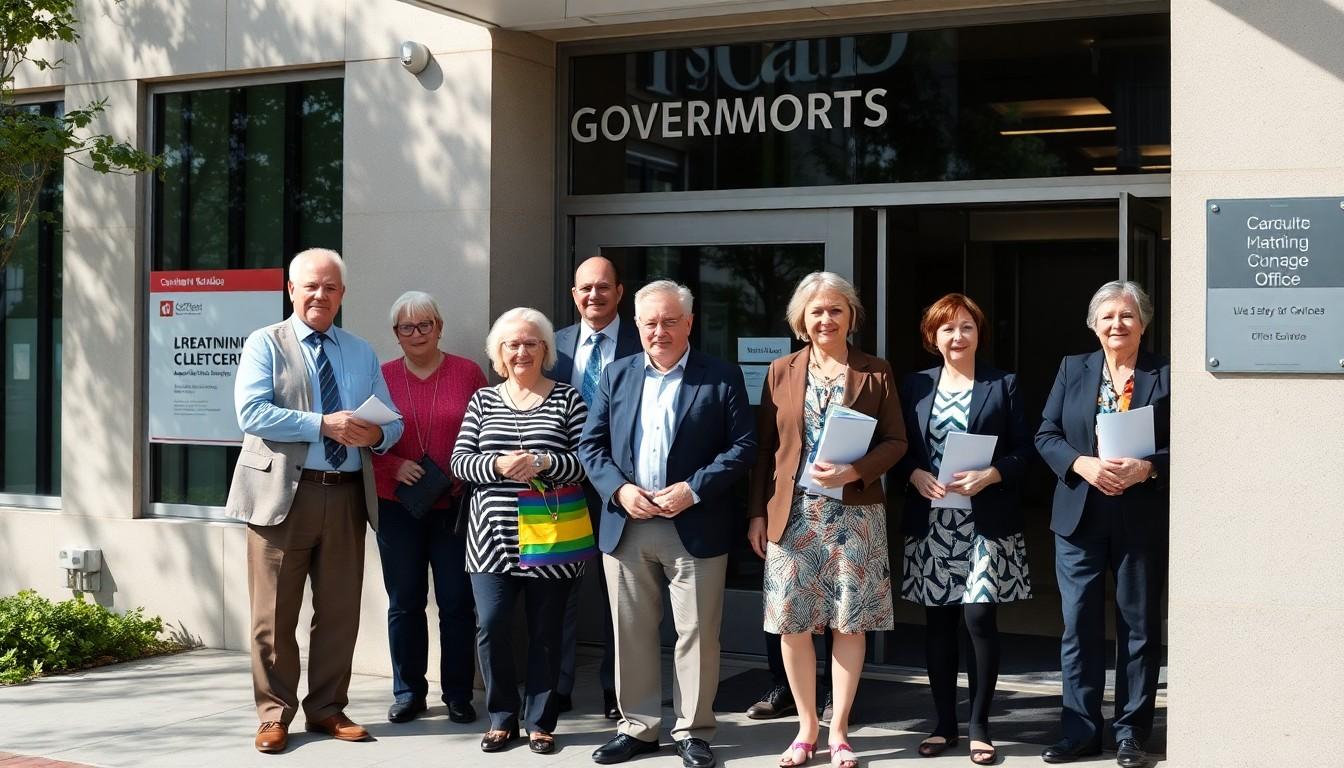
Australia’s federal government is preparing an apology for LGBTQ+ veterans who faced discrimination in the Defence Force because of their sexuality or gender identity. The move recognises a painful chapter in military history, but campaigners say an apology alone won't repair lost jobs, income, housing or wellbeing.
Essential Takeaways
- A formal apology is planned: LGBTQ+ veterans affected by discriminatory policies are set to receive an official apology and a Certificate of Honourable Service.
- The scope is broader than convictions: The recognition includes people who were discharged, pressured to leave or dealt with administratively.
- Campaigners want the Prime Minister involved: Advocates say the apology should clearly acknowledge that veterans served Australia and were treated unjustly.
- Financial redress remains unresolved: Calls for compensation have not secured Senate backing, despite evidence of long-term personal and economic harm.
- Other countries offer a possible model: Canada and the UK have introduced redress arrangements for LGBTQ+ former service personnel.
A long-awaited acknowledgement for LGBTQ+ veterans
For many former service members, the most important detail is that the apology won't be limited to people who faced criminal charges. It is intended to recognise veterans who were discharged, pushed out or otherwise penalised because of who they were.
That distinction matters. As reporting by the Star Observer highlighted, discrimination in the Australian Defence Force didn't always arrive through a courtroom; sometimes it came through a career-ending administrative decision, a quiet demand to leave or an atmosphere designed to make service impossible. The result could still be devastating, with a uniformed career abruptly replaced by uncertainty and shame.
The Senate debate on military justice legislation helped establish the path towards an official apology and a Certificate of Honourable Service. Parliamentary committee material has also documented the broader question of how discriminatory Defence policies affected former personnel.
Why the wording, and the messenger, matter
An apology from government can look ceremonial on paper, but its language carries real weight. Advocates want it to say plainly that these veterans served their country, that the discrimination was wrong and that responsibility rests with the institutions that enforced it.
Campaigners have also argued that the Prime Minister should deliver the apology personally. That request isn't simply about ceremony. A statement from the country's political leader would signal that this is a national reckoning, rather than a footnote tucked into a technical defence announcement.
The National Tribune and Mirage News both reported the welcome for the proposed apology, while also noting the continuing pressure for a fuller response. For veterans who lost their careers, the difference between a general expression of regret and a direct acknowledgement could feel enormous.
An apology can't replace lost income or housing
The central argument from advocacy groups is straightforward: recognition matters, but it can't restore years of earnings or undo the practical damage caused by forced discharge. Some former personnel lost employment, accommodation and professional standing, while others experienced serious effects on their mental health.
Just.Equal Australia has backed the apology while calling for financial redress. The Greens have made a similar case, arguing that compensation wouldn't erase the past but would provide a tangible acknowledgement of what people endured.
That position is supported by the international comparison. Campaigners point to redress schemes in Canada and the United Kingdom, suggesting Australia needn't start from scratch when considering eligibility, payments and support services. The challenge now is turning broad sympathy into a properly designed scheme that doesn't create another exhausting battle for recognition.
Who should qualify for support?
The proposed recognition is significant because it could include more than veterans with formal convictions. People were affected in different ways, and a fair system would need to account for discharges, forced resignations, blocked careers and other administrative treatment.
That means any future redress process will need clear evidence rules without making applicants relive every humiliating detail of their service. Records may be incomplete, especially for people who left decades ago, so a narrow paperwork test could exclude precisely those veterans the apology is meant to honour.
For anyone following the issue, the key question is not only whether a payment is offered, but how accessible the process will be. Independent advice, sensitive case handling and mental health support would make a meaningful difference.
The next test is whether recognition becomes repair
The apology marks a major shift from silence and denial, and community groups are right to treat it as progress. Still, the Senate's failure to endorse financial redress means the most difficult conversation is yet to come.
As the Guardian's reporting has shown through the experiences of former personnel, this is not an abstract policy dispute. It is about people whose lives changed because the Defence Force treated their identity as a disciplinary problem. A public apology can open the door to repair, but it shouldn't be used to close the conversation.
The strongest outcome would pair a direct apology with compensation, practical support and a clear record of service. That would give the words somewhere solid to land.
An apology is a start; meaningful redress would make it count.
Source Reference Map
Story idea inspired by: [1]
Sources by paragraph:
- Paragraph 1: [2], [4]
- Paragraph 2: [3], [5]
- Paragraph 3: [6], [7]
- Paragraph 4: [2], [3]
- Paragraph 5: [4], [6]
- Paragraph 6: [5], [7]
- Paragraph 7: [3], [6]
- Paragraph 8: [2], [4]
- Paragraph 9: [3], [5]
- Paragraph 10: [6], [7]
- Paragraph 11: [2], [3]
- Paragraph 12: [4], [6]
- Paragraph 13: [5], [7]
- Paragraph 14: [2], [3]