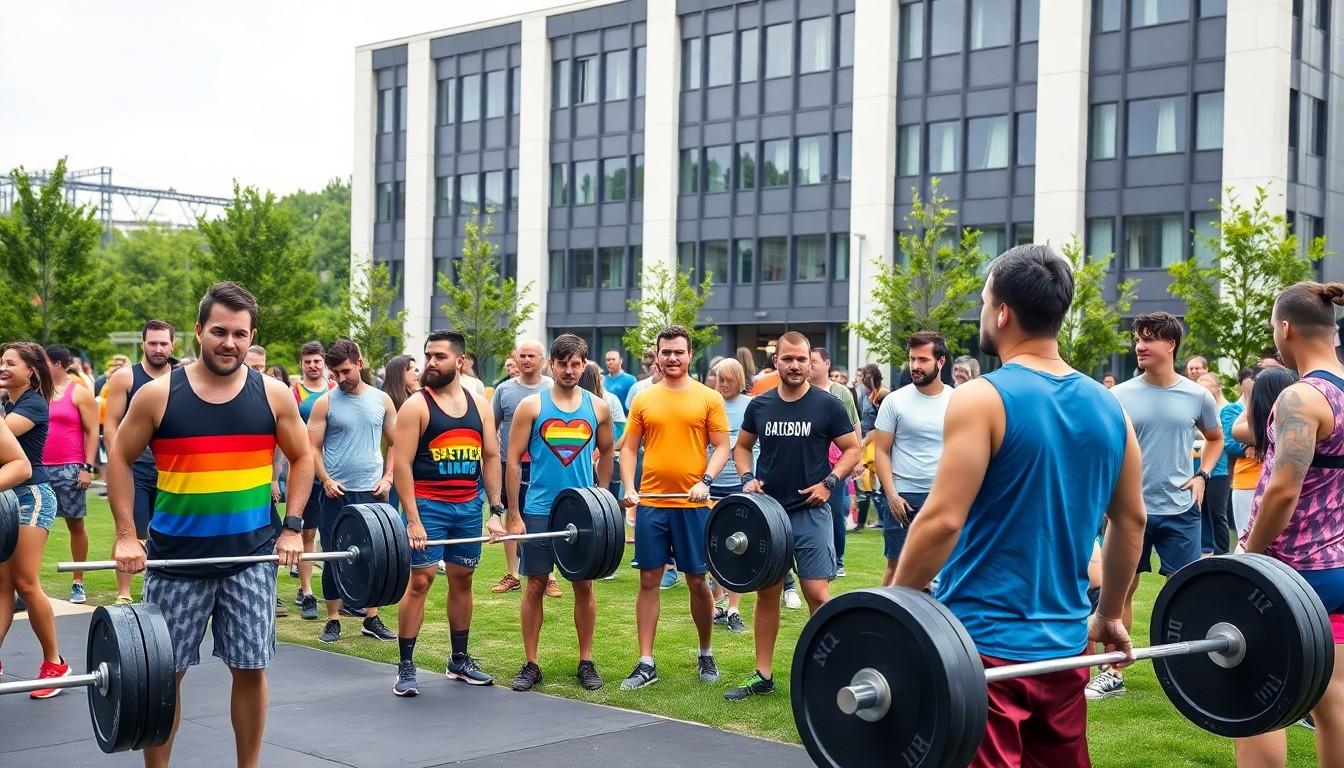
Lifters in Durham, North Carolina, are turning deadlifting into a celebration of queer community, personal confidence and inclusion. At the colourful Weight Not Hate event, athletes of all backgrounds lifted heavy, raised money for an LGBTQ youth centre and challenged the macho image often attached to strength training.
Essential Takeaways
- Community first: Weight Not Hate brought around 25 lifters together for a Pride-themed fundraiser.
- A meaningful cause: The event raised nearly $1,300 for the LGBTQ Youth Center of Durham.
- Strength without judgement: Participants focused on personal goals rather than beating one another.
- A wider welcome: Anchor Powerlifting was created as an alternative to intimidating, male-dominated gym culture.
- More than muscle: Lifters described greater body confidence, resilience and a stronger sense of belonging.
Heavy lifts, easy atmosphere
The barbell was formidable, but the mood was remarkably gentle. At Durham Central Park, lifters hauled impressive weights from the floor while friends and supporters offered encouragement rather than the usual locker-room theatrics.
One athlete pulled 440 pounds in bright running shorts, while another pair lifted close to 900 pounds together. Yet the event wasn't framed as a contest. Personal records mattered, but so did simply getting through a lift and feeling supported when it didn't go perfectly.
That balance is what made the day stand out. According to Indy Week, the crowd responded to hesitation with reassurance, showing that serious strength training doesn't need to come wrapped in aggression. For many people, that's a welcome change from the uneasy feeling that someone is judging them from across the gym.
A gym designed to challenge "bro culture"
Anchor Powerlifting owner Holli Mann founded the project in 2019, initially running pop-up sessions for women and femmes. The organisation later broadened its classes and opened a Durham gym, followed by a second location in Greensboro.
The goal was never simply to provide another place to lift weights. Mann wanted to create an environment where people could train without feeling watched, stereotyped or told they didn't belong. That matters in a fitness industry where loud confidence can sometimes be mistaken for expertise.
The approach has also made room for younger people and for those who are still figuring out their relationship with their bodies. Industry reporting on inclusive fitness spaces suggests that the atmosphere around training can be just as important as the equipment itself, particularly for people who have felt excluded elsewhere.
Why powerlifting can feel affirming
Powerlifting has a particularly direct appeal: the task is clear, measurable and refreshingly unconcerned with becoming smaller. You add weight, build technique and discover what your body can do.
For some trans lifters, that process can feel gender-affirming. For others, it offers a useful break from fitness culture's relentless focus on appearance, weight loss and conventional ideas of attractiveness. The bar doesn't care whether someone's body fits a familiar template. It simply gives them a challenge.
That can change how a person experiences their body. Instead of treating it as something to disguise or correct, lifting encourages attention, patience and respect. As one participant described it to Indy Week, training can make the body feel more objective, and that distance may help people find acceptance.
Personal records, rainbow tutus and real solidarity
Weight Not Hate was full of visual reminders that strength doesn't have one uniform look. One participant arrived in rainbow tights, a tutu and a matching wig, while another wore a leather-fringed vest. The outfits were playful, but the message was serious: people can show up as themselves and still be taken seriously under a heavy bar.
The event also welcomed allies. One lifter took part in support of her non-binary child, having discovered the fundraiser through a powerlifting class for postmenopausal women. She went on to set a personal record of 245 pounds, a fitting example of how inclusive spaces can connect people across age, identity and experience.
Those moments give community fundraising a human scale. The money raised for the LGBTQ Youth Center was important, but so was the visibility: young people could see adults building strength together without asking anyone to edit themselves first.
Strength as a practical kind of confidence
The event arrived amid wider debate about who gets to compete in organised powerlifting, with some federations introducing restrictions affecting transgender athletes. Inclusive gatherings therefore do more than offer a pleasant afternoon. They create a place where people can train, perform and belong without having to argue for their presence.
That doesn't mean every lifter is preparing for a crisis. But the link between physical strength and emotional steadiness came up repeatedly. Training can make ageing feel less passive, help someone navigate transition or simply provide a reliable routine during an unsettled period.
As one athlete put it, watching themselves grow stronger made it easier to move through the world. It's a quietly powerful idea, and perhaps the best reason to look beyond the stereotype of the intimidating gym. Sometimes strength is loud. Sometimes it's a calm room, a chalked pair of hands and a crowd saying, "Try again."
It's a small lift for one person, but a powerful statement about who gets to feel strong.
Source Reference Map
Story idea inspired by: [1]
Sources by paragraph:
- Paragraph 1:
- Paragraph 2:
- Paragraph 3:
- Paragraph 4:
- Paragraph 5:
- Paragraph 6:
- Paragraph 7:
- Paragraph 8:
- Paragraph 9:
- Paragraph 10:
- Paragraph 11:
- Paragraph 12:
- Paragraph 13:
- Paragraph 14:
- Paragraph 15:
- Paragraph 16:
- Paragraph 17:
- Paragraph 18:
- Paragraph 19:
- Paragraph 20:
- Paragraph 21: