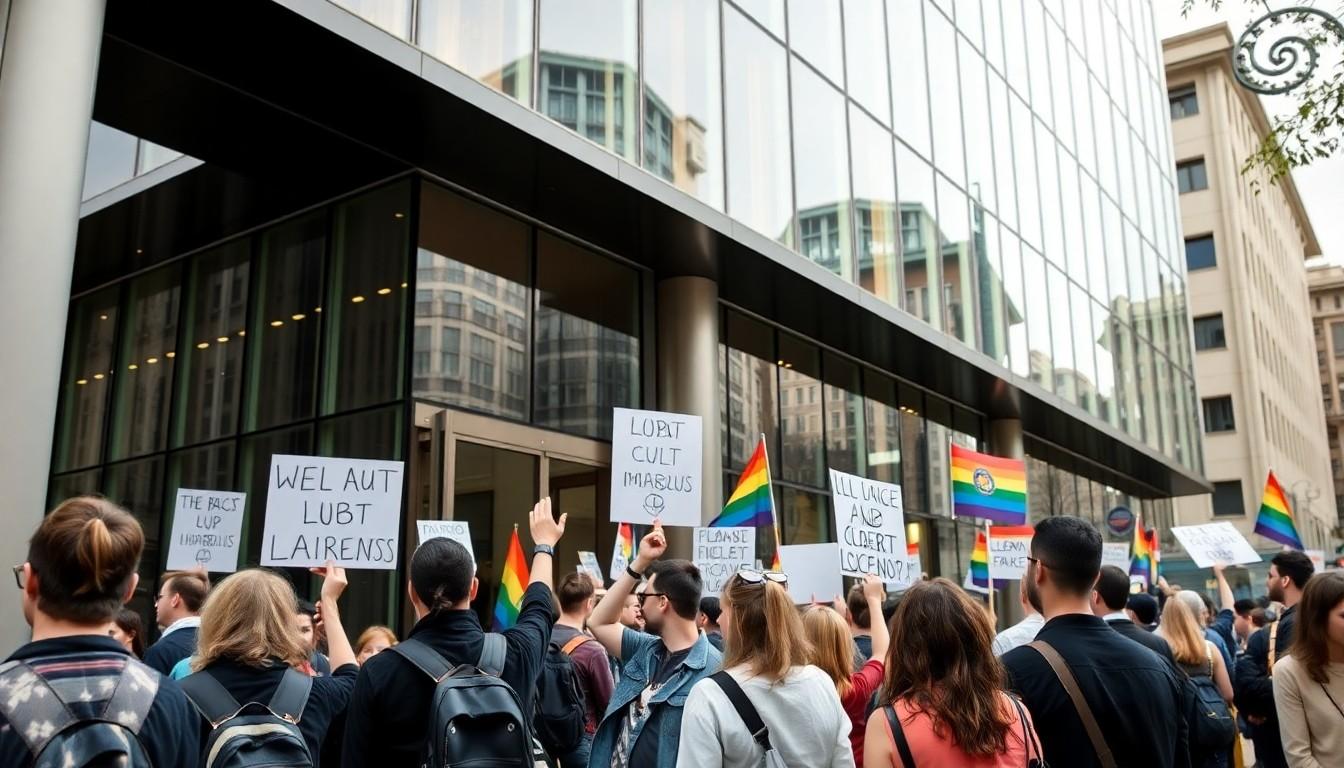
International coverage is intensifying after raids, arrests and online access restrictions targeting LGBT+ organisations and activists in Turkey. Reports from Reuters, BBC, Euronews and others describe a widening investigation, while rights groups and European officials warn that the developments threaten freedom of expression, association and public participation.
Essential Takeaways
- Widening investigation: Authorities have detained activists, journalists and organisation members in several operations.
- Online restrictions: LGBT+ groups, media outlets and rights organisations have reported blocked websites and social media accounts.
- Legal controversy: Prosecutors have cited alleged distribution of obscene material, while rights groups dispute the basis of the cases.
- European concern: EU and Council of Europe officials have expressed alarm over arrests, raids and censorship.
- Public reaction: Turkish civil society groups say the actions could make LGBT+ people less visible in public life.
Raids and arrests put LGBT+ rights back in the spotlight
A series of raids and detentions has pushed Turkey's LGBT+ rights record into the international headlines, with the story travelling far beyond the country's activist community. According to Reuters, authorities detained 26 people after operations linked to LGBT+ groups, while later reporting said eight activists were jailed pending trial. [5]
The cases have reportedly involved members of Kaos GL, one of Turkey's best-known LGBT+ organisations, as well as journalists and other civil society figures. Euronews reported that journalist Tugba Tekerek and seven Kaos GL members were among those detained and later imprisoned pending proceedings. [3]
For supporters, the arrests feel less like an isolated legal dispute and more like a pressure campaign. The atmosphere is tense, with every raid carrying consequences not just for those detained but for the wider network of people providing advice, media coverage and support. [6]
What are the authorities alleging?
Reuters reported that prosecutors accused suspects of helping publish obscene material, including content accessible to children. The allegation has become a central part of the investigation, although LGBT+ rights organisations have rejected the proceedings as politically motivated rather than a straightforward criminal case. [5]
That distinction matters. A criminal investigation can focus narrowly on specific conduct, but campaigners say the pattern of arrests, office raids and digital restrictions points to a broader attempt to intimidate organisations working on LGBT+ rights. Marketscreener's account described the detention of eight activists pending trial as part of a sweeping investigation. [6]
Kaos GL has called for the immediate release of those detained and characterised the arrests as an attack on fundamental rights. Human rights advocates argue that the legal process should be transparent, evidence-based and consistent with Turkey's obligations under international human rights standards. [7]
Internet blocks widen the impact
The crackdown hasn't stayed on the streets or inside courtrooms. Euronews reported that access was restricted to social media accounts and websites belonging to LGBT+ organisations, alongside platforms linked to media and rights groups. [4]
That can have an immediate, practical effect. A blocked website may prevent people from finding legal information, contacting support services or reading independent reporting, while a disabled social media account can silence an organisation at the precise moment it needs to respond. It's a quiet form of pressure, but its reach is remarkably wide. [4]
The scale also appears to have grown. Reporting cited by the international press said that the number of blocked accounts later exceeded 100, raising concerns about whether the restrictions are being applied narrowly or as part of a much broader information blackout. [2]
European officials voice concern
The response from Europe has added diplomatic weight to the story. Reuters reported that the European Commission was monitoring the arrests, legal actions against rights groups and businesses, and restrictions affecting websites and social media accounts. [5]
European officials have stressed that Turkey, as an EU candidate country, is expected to respect human rights and dignity regardless of sexual orientation or gender identity. The criticism is significant because it frames the issue not simply as a domestic political dispute, but as a test of the country's stated European commitments. [2]
The Council of Europe's human rights commissioner has also expressed concern about reports of detentions, raids and online blocks targeting LGBT+ civil society and human rights defenders. That combination of legal action and censorship is what alarms observers most. [2]
Why the story matters beyond LGBT+ organisations
Turkish women's groups, medical professionals and other civil society organisations have reportedly joined the criticism. Euronews described a wider response from rights groups, while reporting also highlighted objections from professional and medical bodies. [4]
Campaigners say the consequences extend beyond LGBT+ people. When organisations can be raided, activists detained and websites blocked, other groups may begin to avoid public campaigning, self-censor their language or withdraw from contentious work. In that sense, the immediate targets may be LGBT+ organisations, but the wider question concerns how much space remains for independent civil society. [7]
The coming legal proceedings will be watched closely. They could clarify the evidence behind the accusations, but they may also determine whether Turkey's latest actions are seen as a limited prosecution or another step towards criminalising LGBT+ advocacy without passing a new law. For many observers, that uncertainty is the most troubling part of all. [3]
It's a small number of court cases on paper, but a much bigger test of public freedom in practice.
Source Reference Map
Story idea inspired by: [1]
Sources by paragraph: