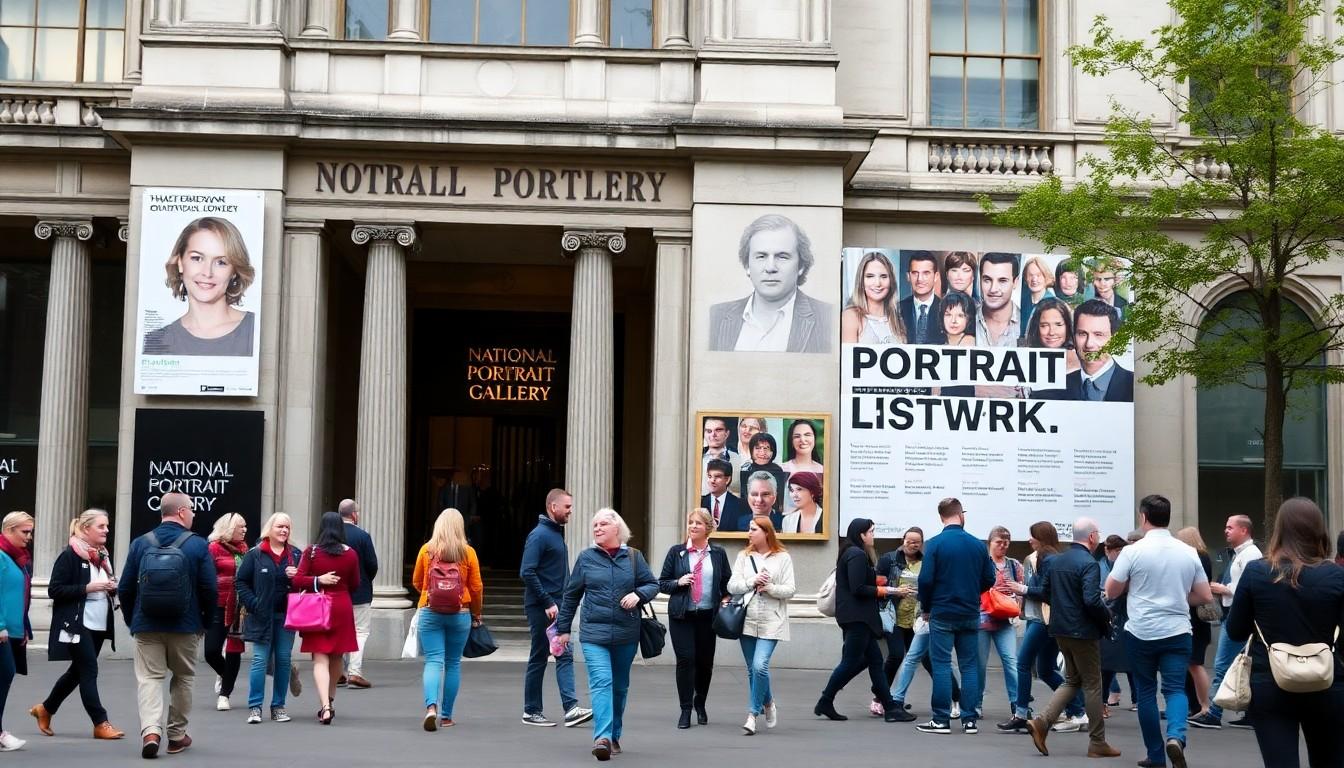
Visitors to London’s National Portrait Gallery can step into Tim Walker’s fantastical world from 9 October 2026, when Fairyland: Love and Legends brings together 250 portraits celebrating Queer activism, community, fashion and desire. It’s a major new photography exhibition with theatrical sets, intimate stories and plenty of Walker’s unmistakable magic.
Essential Takeaways
- Dates: Fairyland: Love and Legends runs from 9 October 2026 to 7 February 2027.
- Venue: The exhibition takes over the National Portrait Gallery in London.
- Scale: Around 250 specially created portraits feature activists, performers, artists and cultural figures.
- What to expect: Elaborate installations, costumes, props, films and behind-the-scenes material sit alongside the photographs.
- Tickets: Prices start at £23 off peak, with late opening on Fridays and Saturdays.
A fantastical new chapter for Tim Walker
Tim Walker’s photography has always felt like a doorway into somewhere slightly impossible. His pictures often combine oversized props, elaborate costumes and dreamlike landscapes, creating images that are playful on the surface but carefully constructed underneath.
That sense of theatre will be central to Fairyland: Love and Legends, the National Portrait Gallery’s major Tim Walker exhibition. The gallery says the show will explore more than five decades of Queer activism, culture, friendship and identity through a new body of work. According to Art Fund, the exhibition will run through the autumn and winter of 2026, making it one of London’s notable photography events for the season.
Walker’s career has moved comfortably between fashion, portraiture and film. After working with the Cecil Beaton archive and assisting Richard Avedon, he photographed his first British Vogue story at 25. Since then, his visual language has become instantly recognisable, full of curious details and a soft, storybook strangeness.
Why Fairyland is more than a portrait show
The exhibition grew from five years of Walker photographing Queer people and their allies in Britain and beyond. Rather than presenting a conventional sequence of sitters against neutral walls, it connects personal portraits with wider histories of protest, nightlife, healthcare, performance and liberation.
The National Portrait Gallery describes the project as a celebration of Queer lives and communities, with figures from different generations appearing together. Activists and campaigners sit alongside performers, writers, musicians, actors and artists, creating a broad portrait of a culture that has often been represented in fragments.
That intergenerational approach matters. The exhibition looks back to the Gay Liberation Front, Stonewall and the HIV/AIDS crisis, while also featuring people working for change today. It gives the show an emotional backbone beneath all the glitter and theatrical styling.
Expect camp, colour and plenty of visual surprise
Walker’s most memorable images rarely stop at the frame. Sets, costumes and props become part of the storytelling, and the gallery itself is expected to feel more like an imaginative environment than a standard white-cube display.
Portraits include large-scale images of performers, designers and public figures, alongside scenes that draw on folklore, mythology and fairy tales. The exhibition also includes staged erotic work that reinterprets familiar stories through a Queer perspective, pairing humour and sensuality with a sense of freedom.
For visitors who saw the Victoria and Albert Museum’s Tim Walker: Wonderful Things, there’s a familiar promise here: this is likely to be an exhibition you experience physically, not simply walk through. Wallpaper’s wider coverage of major fashion exhibitions for 2026 also points to a growing appetite for shows that blur the line between photography, styling, set design and performance.
Portraits with history in their hands
One particularly thoughtful element is the way sitters bring meaningful objects into their portraits. Those objects can act as small biographies, offering clues about a person’s work, memory or place within a wider movement.
The National Portrait Gallery’s press information highlights the breadth of the participants, from early activists and cultural figures to contemporary artists and performers. Cameras, books, shells, photographs and other personal items become visual shorthand, but they also stop the portraits from feeling overly polished or distant.
That balance is important in a project this glamorous. Behind the fantasy are real histories of campaigning, loss, care and resilience. The result should appeal to photography fans, but also to anyone interested in how style can carry memory and identity.
Plan your London visit around the exhibition
Fairyland: Love and Legends runs at the National Portrait Gallery, St Martin’s Place, from 9 October 2026 until 7 February 2027. The gallery is scheduled to open daily from 10.30am to 6pm, with extended hours until 9pm on Fridays and Saturdays, which could make an evening visit especially appealing.
Tickets are listed at £23, or £25.50 with a donation, for off-peak Monday to Thursday visits. Peak Friday to Sunday tickets are £25, or £27.50 with a donation. ArtRabbit and Time Out both list the National Portrait Gallery presentation as a key London art event for 2026, so booking ahead may be sensible once plans firm up.
There’s also a 320-page catalogue priced at £35, featuring an extended conversation between Walker and curator Susanna Brown, alongside essays on activism, the AIDS crisis, love and relationships. For many visitors, it may be the best way to keep a little of Walker’s strange, generous Fairyland at home.
A celebration designed to leave a mark
The most affecting part of the exhibition may be its refusal to separate joy from struggle. It presents fashion, make-up, humour and eroticism not as decoration, but as tools for self-expression and survival.
That makes the show feel timely without turning it into a lecture. Walker’s images promise spectacle, but the stories behind them give the spectacle weight. In a city full of blockbuster exhibitions, this one looks set to offer something warmer and more personal: a room where difference is treated as a source of imagination.
It's a dazzling invitation to look at Queer history, portraiture and identity through a more playful lens.
Source Reference Map
Story idea inspired by: [1]
Sources by paragraph:
- Paragraph 1: [2], [4]
- Paragraph 2: [3], [5]
- Paragraph 3: [4], [6]
- Paragraph 4: [2], [3]
- Paragraph 5: [4], [7]
- Paragraph 6: [2], [5]
- Paragraph 7: [3], [6]
- Paragraph 8: [2], [4]
- Paragraph 9: [5], [7]
- Paragraph 10: [2], [3]
- Paragraph 11: [4], [6]
- Paragraph 12: [2], [5]
- Paragraph 13: [3], [4]
- Paragraph 14: [2], [6]
- Paragraph 15: [4], [7]
- Paragraph 16: [2], [3]