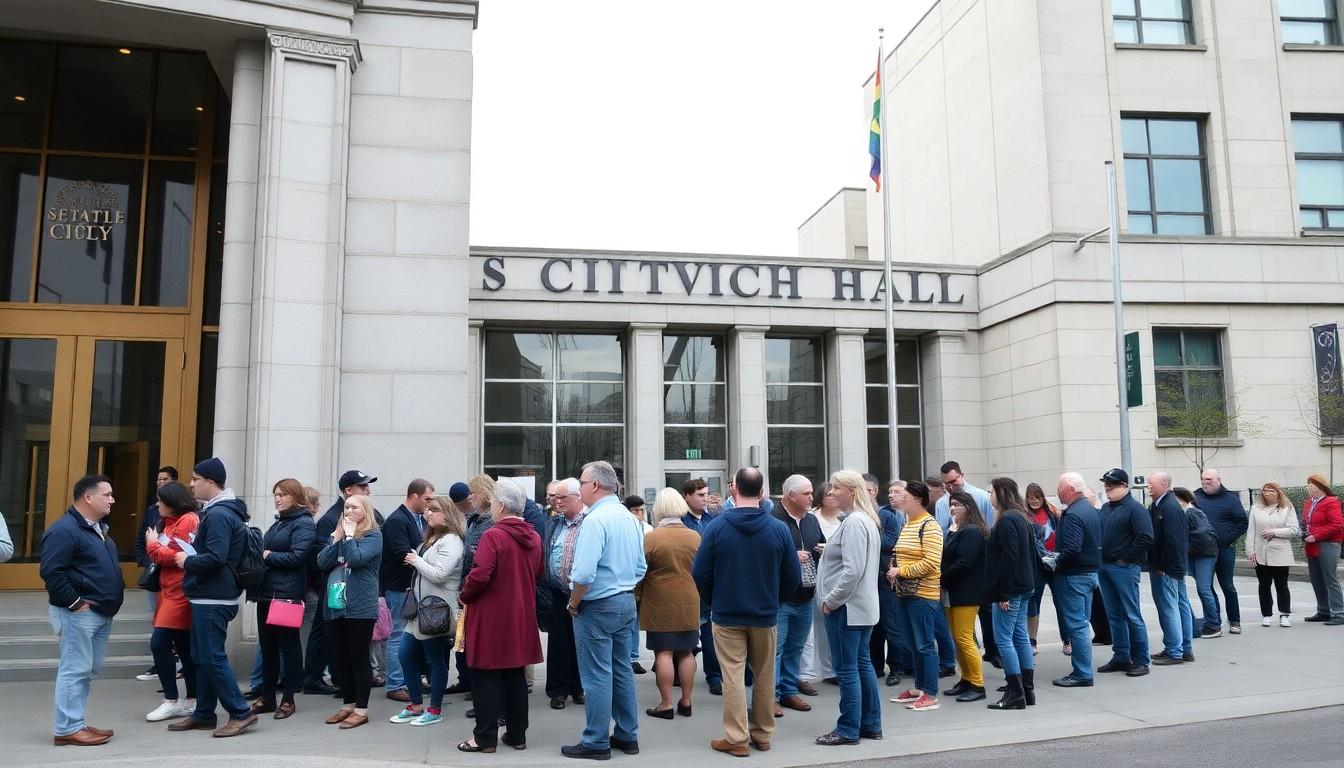
Seattle has voted to recognise polyamory, pansexuality and asexuality within its anti-discrimination framework, extending protections across work, housing and public life. The move reflects how families and relationships are changing, while offering practical reassurance to residents who say they’ve had to hide partners, households or identities to avoid unfair treatment.
Essential Takeaways
- New protected classes: Seattle’s measure covers polyamory, pansexuality and asexuality.
- Broad reach: The rules apply to employment, housing, public spaces, business licensing and policing.
- Family structures included: Multi-parent families and multi-generational households are also covered.
- A wider need: Research cited by the city suggests 10 to 20% of North Americans have engaged in consensual non-monogamy.
- When it starts: The changes are due to take effect on 1 June 2027.
Seattle is updating its civil rights rulebook
Seattle City Council’s decision marks a significant change in how the city defines sexual orientation and family life. The updated wording recognises identities beyond the gender binary, names pansexuality and asexuality directly, and includes consensual relationships involving multiple partners.
That matters because discrimination rarely arrives with a neat label. It can appear in a landlord’s decision, a workplace conversation or a form that assumes every household has two parents and one romantic partnership. Local reporting from KUOW and KNKX described the vote as an effort to close gaps in existing civil rights protections.
The measure will cover employment, housing, public accommodation, business licences, park access and bias-free policing. In other words, it reaches well beyond private relationships and into the everyday systems that shape whether people can live openly and securely.
Why non-monogamous families say protection is needed
Supporters point to a sizeable but often overlooked community. Research cited in coverage by The Guardian and Axios suggests that between 10 and 20% of North Americans have engaged in consensual non-monogamy, while around 5% are currently in non-monogamous relationships.
Those figures don't mean every household looks the same, of course. Some include several romantic partners, while others involve co-parenting arrangements, multi-generational living or close family networks that don't fit conventional legal categories.
A 2018 survey cited in the reporting found that half of respondents had experienced discrimination linked to being non-monogamous. That helps explain the emotional force behind the campaign. As one advocate put it in comments reported by LGBTQ Nation, people can end up hiding the people they love simply to avoid losing work, housing or social acceptance.
The change grew from a real workplace dispute
The campaign was helped by Seattle advocate Jessa Davis after her partner experienced employment discrimination connected to non-monogamy in 2024. The incident turned a broad concern into a practical question: what protection exists when a household is treated unfairly because of its relationship structure?
Seattle’s Human Rights Commission later backed action on discrimination based on family and relationship structure. According to Seattle media reports, the commission argued that loopholes had allowed exclusion, harassment and lost opportunities to continue without a clear route to redress.
Councilmember Alexis Mercedes Rinck sponsored the measure, describing it as an update that better reflects how residents actually live. That framing is important. The law isn't asking everyone to share the same relationship model; it’s saying that public services and institutions shouldn't punish people for having a different one.
What the new protection could mean in daily life
For residents, the practical impact will depend on how complaints are handled once the rules come into force. Someone who believes they’ve been refused housing, treated unfairly at work or excluded from a public service because of their relationship structure may have a clearer basis for seeking help.
The wording also recognises multi-parent families and multi-generational households. That could be especially relevant where several adults share caring responsibilities, finances or a home, but only some are recognised by traditional paperwork.
Still, legal protection doesn't instantly remove social stigma. People may remain cautious about telling an employer, estate agent or service provider about their family life. The value of the measure is that it gives those residents something firmer than goodwill: a formal standard that institutions are expected to follow.
Seattle joins a growing US movement
Seattle isn't the first American city to move in this direction. Oakland, Berkeley and Portland have adopted protections for polyamorous people or non-traditional relationship structures, according to reporting from LGBTQ Nation, The Guardian and local outlets.
The trend reflects a broader shift in civil rights discussions, from protecting individual identity alone to examining how families and households are treated. A person may face no issue because of their sexuality in isolation, yet still encounter trouble when they identify a partner, co-parent or household arrangement.
The Seattle measure is due to take effect on 1 June 2027, with enforcement handled by the city’s Office of Civil Rights. For supporters, that date represents more than an administrative deadline. It’s a sign that the law is beginning to catch up with the quiet, complicated reality of modern family life.
It's a meaningful step towards making every household feel visible, not vulnerable.
Source Reference Map
Story idea inspired by: [1]
Sources by paragraph:
- Paragraph 1: [2], [3]
- Paragraph 2: [4], [5]
- Paragraph 3: [6], [7]
- Paragraph 4: [2], [3]
- Paragraph 5: [4], [5]
- Paragraph 6: [6], [7]
- Paragraph 7: [2], [4]
- Paragraph 8: [3], [5]
- Paragraph 9: [6], [7]
- Paragraph 10: [2], [3]
- Paragraph 11: [4], [5]
- Paragraph 12: [6], [7]
- Paragraph 13: [2], [4]
- Paragraph 14: [3], [5]
- Paragraph 15: [6], [7]
- Paragraph 16: [2], [3]