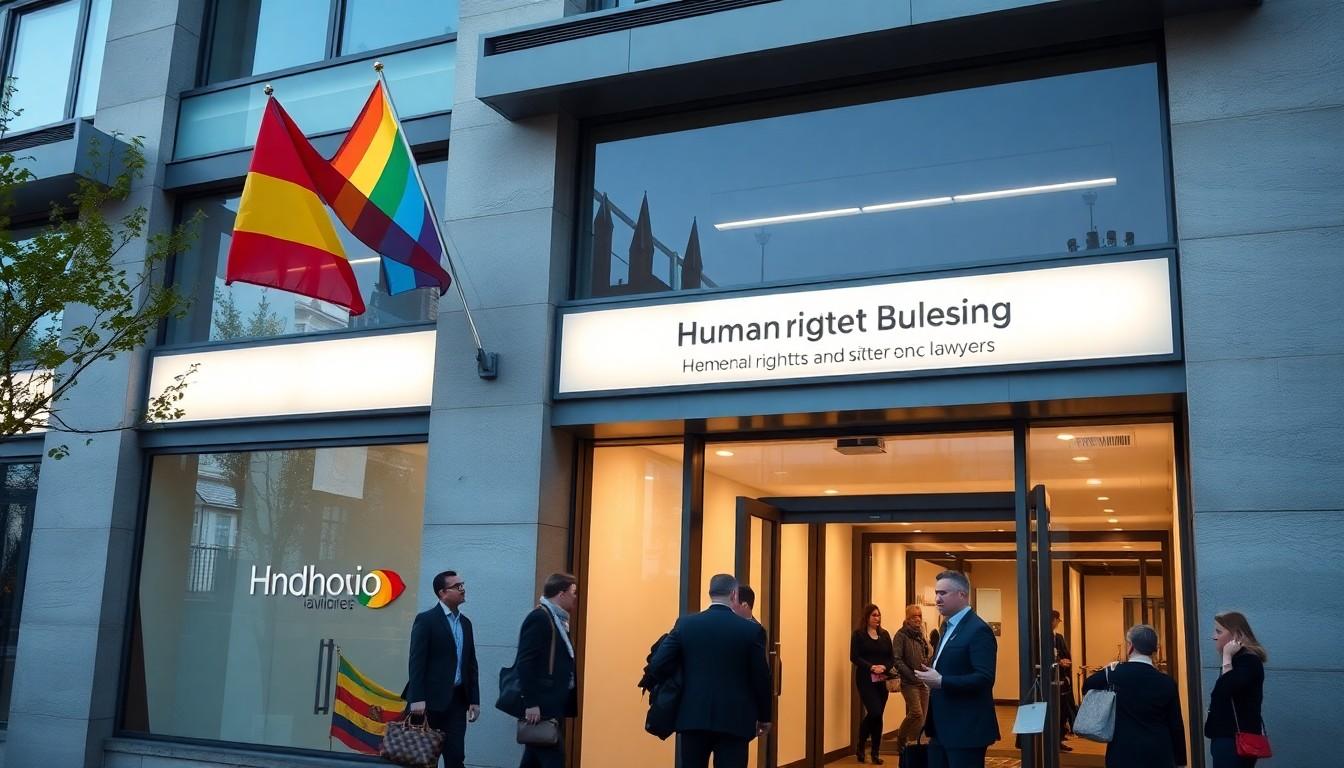
International coverage is shining a bright, uncomfortable light on Turkey, where raids, arrests and website blocks targeting LGBTQ+ groups have prompted concern from European officials and rights organisations. The story matters beyond the courtroom, because it touches free expression, civil society and the right to exist openly in public life.
Essential Takeaways
- Eight activists jailed pending trial: Reports say eight LGBTQ+ activists were remanded in custody as part of a wider investigation.
- Raids spread beyond individuals: Police action reportedly involved LGBTQ+ groups, rights organisations and related businesses.
- Online access was restricted: Dozens of websites and social media accounts were blocked, with reports suggesting the number later exceeded 100.
- Europe has voiced concern: EU and Council of Europe officials warned that discrimination and stigma conflict with human rights commitments.
- The wider issue is civic space: Critics say the operations could discourage organising, advocacy and public participation.
A widening investigation has drawn international scrutiny
The strongest impression from the reporting is scale. Reuters-linked coverage described raids and detentions involving LGBTQ+ organisations, while other accounts said eight activists were jailed pending trial. For people working in already pressured civil society groups, the sudden loss of offices, online channels and colleagues creates a grim, disorientating silence.
The allegations reportedly centre on claims involving the distribution or facilitation of obscene material, including content accessible to children. Activists and rights groups reject that framing, arguing that criminal accusations are being used to target legitimate advocacy. Reuters also reported that the investigation has been watched closely by European institutions.
Why the arrests are being described as political
The dispute isn't only about the charges themselves. LGBTQ+ rights group Kaos GL has characterised the arrests as a political operation aimed at fundamental freedoms, rather than a straightforward legal process. That distinction is crucial: a criminal case may focus on specific conduct, while a broad campaign can affect an entire movement.
Reporting by El Pais presented the atmosphere in even sharper terms, quoting activists who said they had been cast as an enemy while wider social and economic problems remained unresolved. Whether one accepts that interpretation or not, the language reveals how far trust between officials and campaigners has deteriorated.
Website blocks add a second layer of pressure
Physical raids are visible, but digital restrictions can be just as powerful. Reports cited by the BBC and rights organisations said websites and social media accounts linked to LGBTQ+ groups, media outlets and human rights bodies were blocked. When access disappears, basic tasks such as sharing legal updates, organising support or correcting misinformation become much harder.
The reported number of blocked accounts and sites later rose above 100. That's significant because online access is often the practical infrastructure of modern activism: a quiet place to publish, coordinate and document events. Remove it, and even people who aren't directly arrested may begin to police their own speech.
European officials are watching closely
The European Commission has expressed concern about arrests, legal proceedings and restrictions on online platforms. Its message, as reported by Deutsche Welle, was that Turkey should protect the rights and dignity of everyone regardless of sexual orientation or gender identity. It also warned that stigma and discrimination are inconsistent with European Union values.
The Council of Europe's human rights commissioner separately raised concern about reported detentions, raids and internet blocks. This gives the story a wider diplomatic dimension. Turkey's relationship with European institutions has long involved arguments over rule of law and civil liberties, and the LGBTQ+ investigation adds another test to that relationship.
What happens next could shape civic space
The immediate questions are procedural: whether those detained receive a fair hearing, whether charges are tested openly and whether blocked platforms regain access. The longer-term question is broader. If groups can be investigated, shut out of public debate or cut off from their audiences, other organisations may think twice before campaigning on contentious issues.
For readers trying to follow a fast-moving story, it's worth separating confirmed court developments from political statements and commentary. Check whether a report identifies the prosecutor's allegations, the defence response and the status of any appeal or hearing. In a climate crowded with claims, that small habit matters.
The arrests also carry a human cost that statistics can flatten. Behind every detention is someone with friends, family, work and a community now waiting for news. As international criticism grows, the way authorities handle the cases may determine whether this becomes a contained legal dispute or a lasting challenge to Turkey's already strained civic space.
It's a story about more than arrests: it's about who gets to speak, organise and be visible.
Source Reference Map
Story idea inspired by: [1]
Sources by paragraph:
- Paragraph 1: [3], [4]
- Paragraph 2: [3], [6]
- Paragraph 3: [4], [7]
- Paragraph 4: [2], [5]
- Paragraph 5: [4], [5]
- Paragraph 6: [2], [3]
- Paragraph 7: [4], [5]
- Paragraph 8: [2], [4]
- Paragraph 9: [3], [6]
- Paragraph 10: [5], [7]
- Paragraph 11: [2], [3]
- Paragraph 12: [4], [5]
- Paragraph 13: [2], [3]
- Paragraph 14: [5], [7]
- Paragraph 15: [2], [4]
- Paragraph 16: [3], [5]