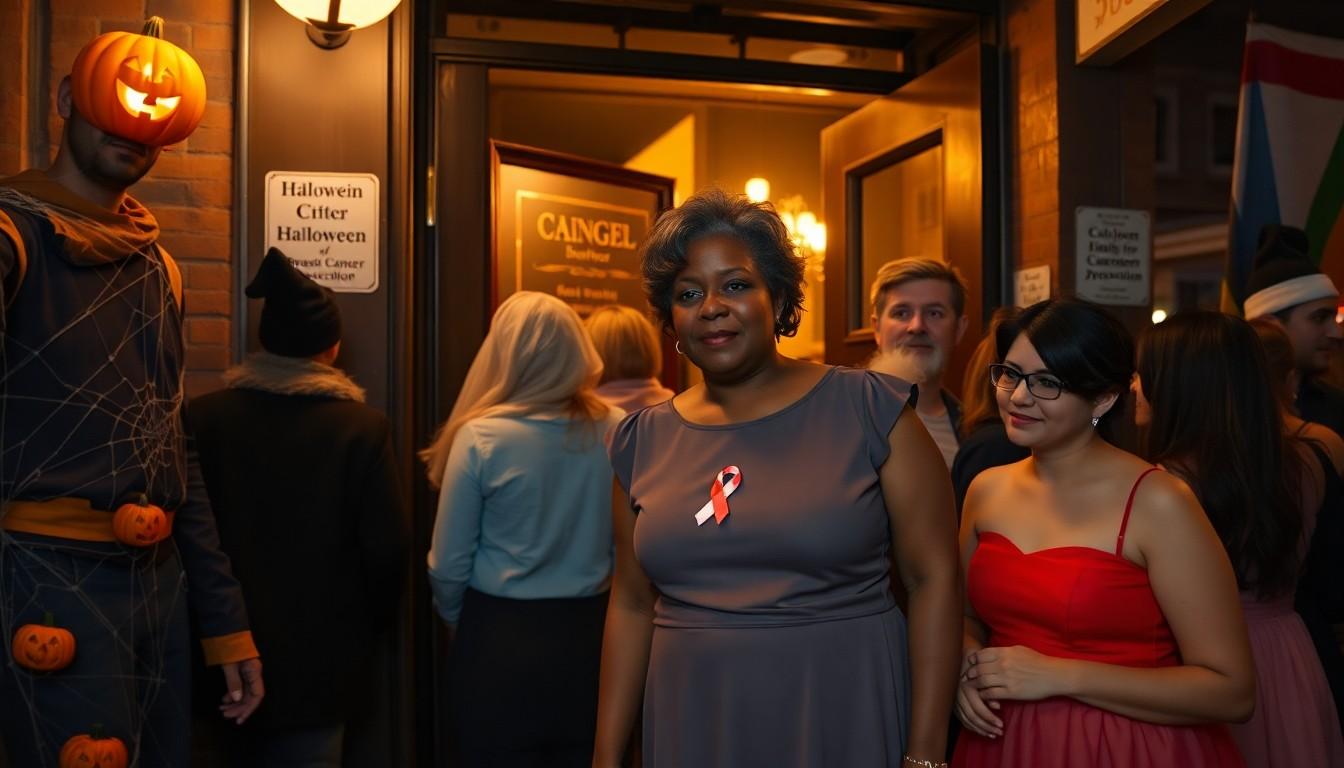
Supporters are heading to Club Cafe in Boston for MBCC's 29th Annual Lesbians & Friends LGBTQIA+ Dance, a Halloween-themed fundraiser celebrating Reverend Irene Monroe's advocacy and raising awareness of breast cancer prevention. The evening matters beyond the dance floor, linking community, health equity and a long-running LGBTQIA+ tradition.
Essential Takeaways
- Honouree: Reverend Irene Monroe will receive this year's MBCC award.
- When and where: The event takes place on Saturday, 24 October, from 6pm to 11pm at Club Cafe in Boston.
- Theme: It's a Halloween Bash for Breast Cancer Prevention, with costumes, music and dancing.
- VIP extras: Guests can expect a beginner merengue lesson and complimentary hors d'oeuvres.
- Why it matters: The fundraiser connects breast cancer prevention with LGBTQIA+ community organising and healthcare equity.
A dance with a serious purpose
The strongest message may arrive before the music starts. Reverend Irene Monroe, a public theologian, preacher and writer, is being recognised for work spanning faith, race, gender and LGBTQIA+ equality, while the Massachusetts Breast Cancer Coalition continues its focus on prevention and environmental causes. Boston Spirit Magazine reported that Monroe is also a two-time breast cancer survivor, giving the honour a deeply personal edge.
That combination makes the evening feel more substantial than a standard themed party. There'll be costumes and a busy dance floor, certainly, but underneath the glitter is a reminder that access to screening and respectful healthcare isn't equal for everyone. MBCC's event information places the celebration at Club Cafe, a familiar Boston gathering spot for LGBTQIA+ events. ([2], [5])
Why Reverend Irene Monroe's story resonates
Monroe has built a career around challenging institutions from within, particularly when questions of faith and belonging collide. Her preaching, columns, broadcasting and public speaking have made her a prominent openly lesbian religious voice, and her work continues to ask who gets welcomed into religious and civic spaces.
Her advocacy also speaks to the health concerns raised by this year's fundraiser. In comments reported by Boston Spirit Magazine, Monroe highlighted the barriers that can lead Black women to delay or avoid mammograms, including negative experiences with healthcare providers and concerns about discrimination. That turns the award into more than a personal tribute. ([6], [5])
From grassroots activism to a packed dance floor
MBCC's relationship with the LGBTQIA+ community stretches back to its founding in 1991, when lesbian activists helped establish the coalition with an emphasis on prevention rather than treatment alone. That history gives the annual dance a useful sense of continuity, even as the format remains deliberately upbeat.
Event listings and venue information show how the occasion has become a recurring fixture in Boston's community calendar. In other words, this isn't simply a one-night fundraiser appearing out of nowhere. It's a social tradition shaped by organisers, volunteers and guests who understand that solidarity can look like a rally, a screening appointment or, occasionally, a very good costume. ([2], [4], [7])
What guests can expect on the night
The evening begins with a VIP party from 6pm to 8pm. Liz Nania, founder and director of OUT to Dance, will lead a beginner merengue lesson, while complimentary hors d'oeuvres give guests time to settle in before the main celebration gathers pace.
DJ Christina, visiting from San Francisco, is scheduled to provide the soundtrack, and a costume contest will add the right amount of Halloween mischief. If you're choosing what to wear, comfortable shoes may be the smartest accessory. A costume that survives several hours of dancing is a small but surprisingly valuable win. ([2], [3], [5])
A reminder that visibility can support prevention
The event's broader value lies in bringing conversations about breast cancer into a community setting where people can meet, dance and feel at home. Fundraising parties don't replace clinical care or public-health policy, but they can help organisations keep prevention, screening and healthcare access in view.
For Monroe, the recognition also reflects a lifetime of speaking plainly when silence would be easier. MBCC executive director Cheryl Osimo said the organisation chose her because meaningful change requires people willing to challenge injustice and build community. That's a fitting message for a celebration that pairs a bright dance floor with serious public-health work. ([1], [2])
A good night out can still carry a powerful message about who gets seen, heard and supported.
Source Reference Map
Story idea inspired by: [1]
Sources by paragraph: