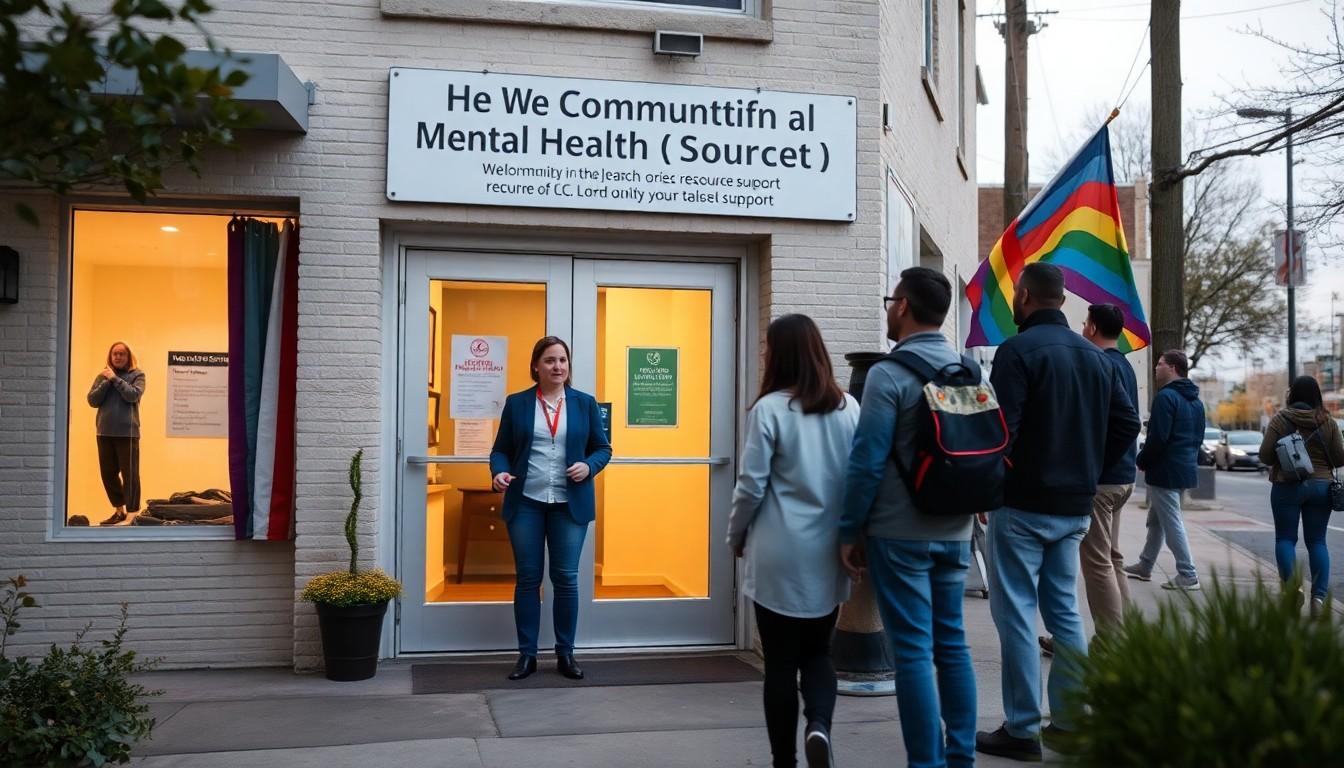
People often think suicide prevention begins at crisis point, but the strongest protection can start much earlier. For LGBTQ+ people, supportive relationships, affirming care and easy access to help can make a vital difference. As September’s awareness campaign highlights, knowing how to spot concern and respond calmly could help someone find a reason to stay.
Essential Takeaways
- Connection matters: Belonging, acceptance and regular check-ins can help reduce isolation.
- Ask directly: Asking whether someone is thinking about suicide won’t plant the idea, and may open an important conversation.
- 988 is available: In the US, call or text 988 for free, confidential, round-the-clock crisis support.
- Look for changes: Withdrawal, hopelessness, altered sleep, substance use or talk of being a burden deserve attention.
- Affirming support helps: LGBTQ+ people should be able to find care that respects their identity rather than treating it as a problem.
Suicide prevention starts before the emergency
The most important shift in the conversation is also the simplest: prevention isn't limited to the moment when someone is in immediate danger. It can mean noticing that a friend has gone quiet, sending a message after a difficult week or making sure a young person knows they're accepted at home.
The Centers for Disease Control and Prevention describes suicide prevention as a community effort involving connection, support and access to care. That matters for LGBTQ+ people, who can face additional pressures including discrimination, bullying, family rejection and difficulty finding genuinely affirming services.
A warm welcome won't solve every problem, of course. But it can create the breathing space someone needs to seek further help, especially when shame or isolation has made speaking up feel impossible.
Why asking the question can help
If someone seems withdrawn, overwhelmed or unusually hopeless, a direct but gentle question is often better than trying to guess what's happening. Ask how they're coping, then listen without rushing to offer a perfect solution.
Someone who says they're thinking about suicide or self-harm shouldn't be left to manage that moment alone. If it's safe, stay with them, help them contact professional support and move dangerous items out of reach. If there's immediate physical danger, call 911 or go to the nearest emergency department.
The CDC also warns that there isn't one foolproof checklist. Some people show clear changes, while others hide their distress remarkably well. That uncertainty is precisely why a calm check-in can matter.
What 988 offers in a crisis
The 988 Suicide & Crisis Lifeline gives people in the US a free, confidential way to reach trained support by phone or text. According to the US government, it can be used by someone experiencing suicidal thoughts, emotional distress, mental health concerns or substance-use problems, and by people worried about someone else.
The service is designed to be available around the clock, rather than only during office hours. That makes it useful for the messy, inconvenient moments when distress doesn't politely wait for an appointment.
The Department of Health and Human Services has continued to invest in the 988 system, including funding intended to support its administration and operation. Still, a helpline isn't a replacement for long-term care. Think of it as a bridge to immediate safety and the next layer of support.
LGBTQ+ people need care that feels safe
Finding a therapist or service can be hard enough without wondering whether you'll need to explain or defend your identity first. Affirming care means a person is treated with dignity, while their sexual orientation or gender identity isn't framed as something to cure.
That might involve a specialist LGBTQ+ service, a peer-support group, a trusted GP or a mental health professional with relevant experience. It can take more than one attempt to find the right fit, but a poor first experience shouldn't be mistaken for proof that support won't help.
For families, friends and colleagues, practical support can be just as valuable as encouraging someone to seek care. Offer to sit with them while they call, help find local services or check in again tomorrow. A vague "let me know if you need anything" is kind, but a specific offer is often easier to accept.
Build reasons to stay into everyday life
Public awareness campaigns can feel sombre, yet their most useful message is hopeful: safer communities are built through ordinary actions. Challenging bullying, welcoming LGBTQ+ people, respecting names and pronouns and making room for honest conversations all help reduce the sense of being alone.
The US government and public-health agencies continue to promote 988 alongside wider mental health and suicide-prevention resources. That infrastructure matters, but it works best when people know it exists before a crisis arrives.
If you're worried about someone, don't wait for dramatic proof. Send the message, make the call and stay present. And if you're the person struggling, you don't need to justify asking for help or wait until things become unbearable.
Connection won't fix everything, but it can help someone reach the next safe moment.
Source Reference Map
Story idea inspired by: [1]
Sources by paragraph: