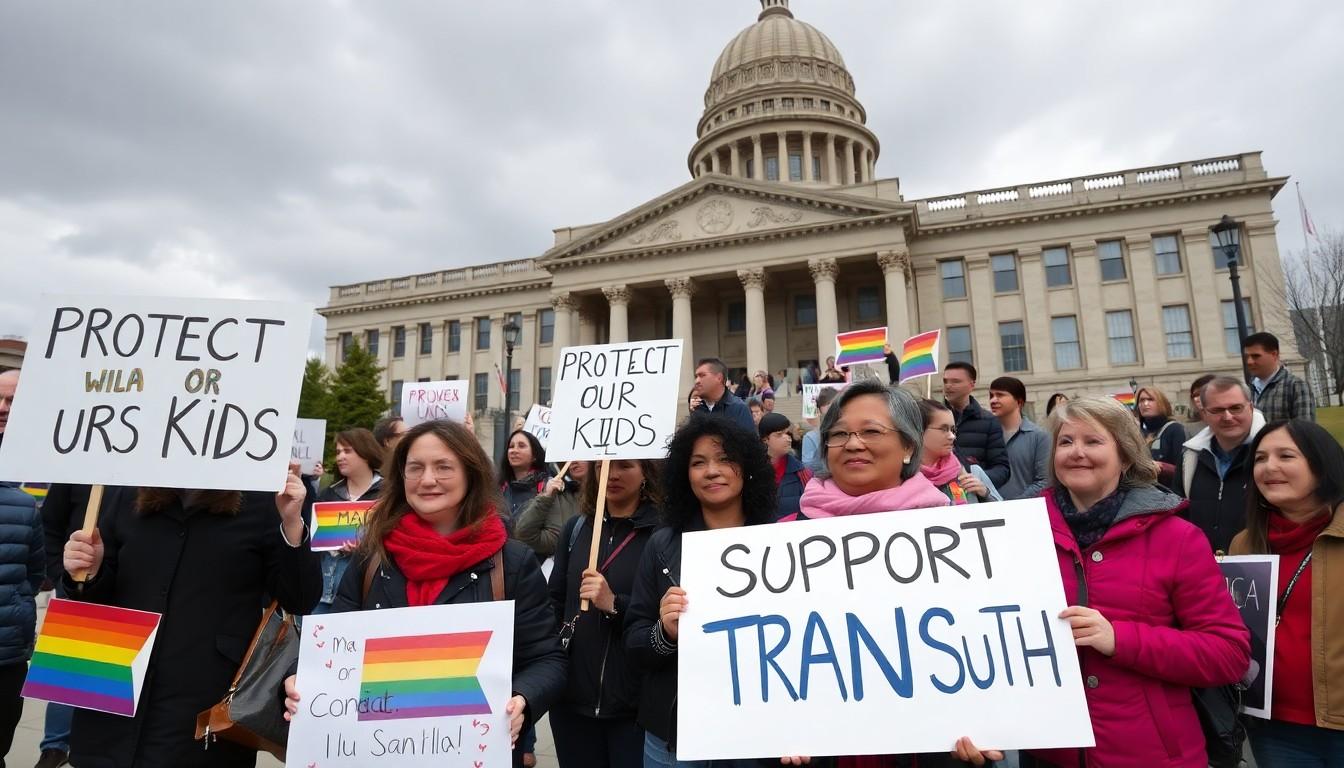
Colorado families and advocates are raising the alarm over two proposed ballot measures that would restrict transgender pupils' sports participation and limit certain medical procedures for under-18s. With voters set to decide the issue, the debate is sharpening around privacy, parental choice and the possible impact on every child receiving care.
Essential takeaways
- Two proposals: One would regulate school and university sports by sex assigned at birth; the other would prohibit surgery intended to alter sex characteristics in minors.
- A wider debate: Supporters frame the measures as child-protection policies, while opponents say they interfere with families and clinicians.
- Potential reach: Critics argue broad wording could affect procedures unrelated to gender transition.
- National context: The proposals reflect a growing US fight over transgender rights in schools, sport and healthcare.
- Practical question: Voters should read the full ballot language rather than relying on campaign slogans or social-media claims.
Parents say private decisions are becoming public politics
The strongest emotion at recent opposition events has been less about party politics than family protection. Parents of transgender children say they moved to Colorado expecting a supportive environment, only to find that questions about their children's bodies, teams and healthcare have landed at the centre of an election campaign.
The Protect Trans Kids Colorado campaign argues that families, doctors and young people need room to make decisions based on individual circumstances. Its public materials describe the proposals as government overreach and urge voters to consider how the wording could affect ordinary medical care as well as transgender patients.
That argument has a human weight that's easy to miss in the legal language. For a parent, the issue isn't an abstract culture-war headline; it's a school form, a changing room or a doctor's appointment involving a child they know intimately.
What the two Colorado measures would change
The sports proposal would prevent transgender pupils and college athletes from taking part in teams that don't match the sex recorded or assigned at birth. Colorado's official ballot information sets out the measure's focus on male and female participation in school and collegiate sport, making it particularly relevant to schools, universities and athletic associations.
The second proposal targets surgery for minors undertaken in response to a perception of sex or gender. Colorado's legislative materials describe the measure as a prohibition on surgery to alter sex characteristics, while opponents say its broad construction could create uncertainty around treatment that isn't connected to gender transition.
That distinction matters. Campaign language can make a proposal sound narrow, but the practical effect depends on definitions, exemptions and how institutions interpret the text. The Bell Policy Center's Colorado ballot guide is among the resources voters can consult when weighing the measures alongside the official wording.
Why opponents fear unintended consequences
Critics aren't only asking what the proposals are designed to stop. They're asking what else they might catch. At rallies, parents and medical professionals have raised concerns about procedures involving fertility preservation, tumours and contraception, arguing that a sweeping ban could leave clinicians second-guessing lawful treatment.
The Protect Trans Kids Colorado campaign makes a similar case, warning that restrictions could affect more than transgender patients. Its position is that healthcare decisions should remain with families and qualified medical professionals, rather than being settled by a one-size-fits-all rule.
There are also questions about enforcement in sport. If eligibility is challenged, opponents want to know who would investigate, what evidence would be required and how a pupil's privacy would be protected. Those are uncomfortable details, but they're precisely where a ballot measure meets real life.
Colorado sits inside a much bigger US clash
The proposals arrive during a period of intense national disagreement over transgender rights. State legislatures and campaign groups across the country have pursued restrictions involving school sport, gender-affirming healthcare and official records, while civil-rights organisations have pushed back through litigation, lobbying and local organising.
Colorado's own policy debate has moved in the other direction in recent years. Legislative activity has included measures concerning healthcare coverage, discrimination and privacy for young people's name-change records. The result is a state where protections and restrictions are being argued with unusual force, sometimes within the same election cycle.
The Bell Policy Center's 2026 ballot guide places the measures in that broader political landscape, while Colorado's legislature provides the formal descriptions voters need to check what is actually on the ballot. In a debate this heated, the official text is refreshingly less dramatic than the campaign rhetoric.
How voters can assess the proposals
Start with the wording, not the adverts. Read the official summaries, check which age groups and institutions are covered, and look for definitions that explain terms such as surgery, sex and participation. Then compare those details with claims from both supporters and opponents.
It's also worth asking practical questions. Who would enforce the rule? What happens when medical circumstances don't fit a neat category? Would schools need new verification processes? Could doctors delay treatment because of legal uncertainty? These questions don't decide a vote by themselves, but they help expose where the consequences may be broader than the headline suggests.
For families, the debate feels intensely personal. For everyone else, that may be the best reason to slow down and read carefully: laws affecting a small, vulnerable group can still shape the privacy, healthcare and sporting experiences of many children.
Colorado voters now face more than a symbolic culture-war choice; they're being asked how much power government should have over highly individual family decisions.
Source Reference Map
Story idea inspired by: [1]
Sources by paragraph:
- Paragraph 1: [2], [3]
- Paragraph 2: [4], [7]
- Paragraph 3: [5], [6]
- Paragraph 4: [2], [3]
- Paragraph 5: [4], [7]
- Paragraph 6: [5], [2]
- Paragraph 7: [3], [7]
- Paragraph 8: [4], [5]
- Paragraph 9: [6], [5]
- Paragraph 10: [2], [3]
- Paragraph 11: [4], [7]
- Paragraph 12: [5], [6]
- Paragraph 13: [2], [3]
- Paragraph 14: [4], [5]