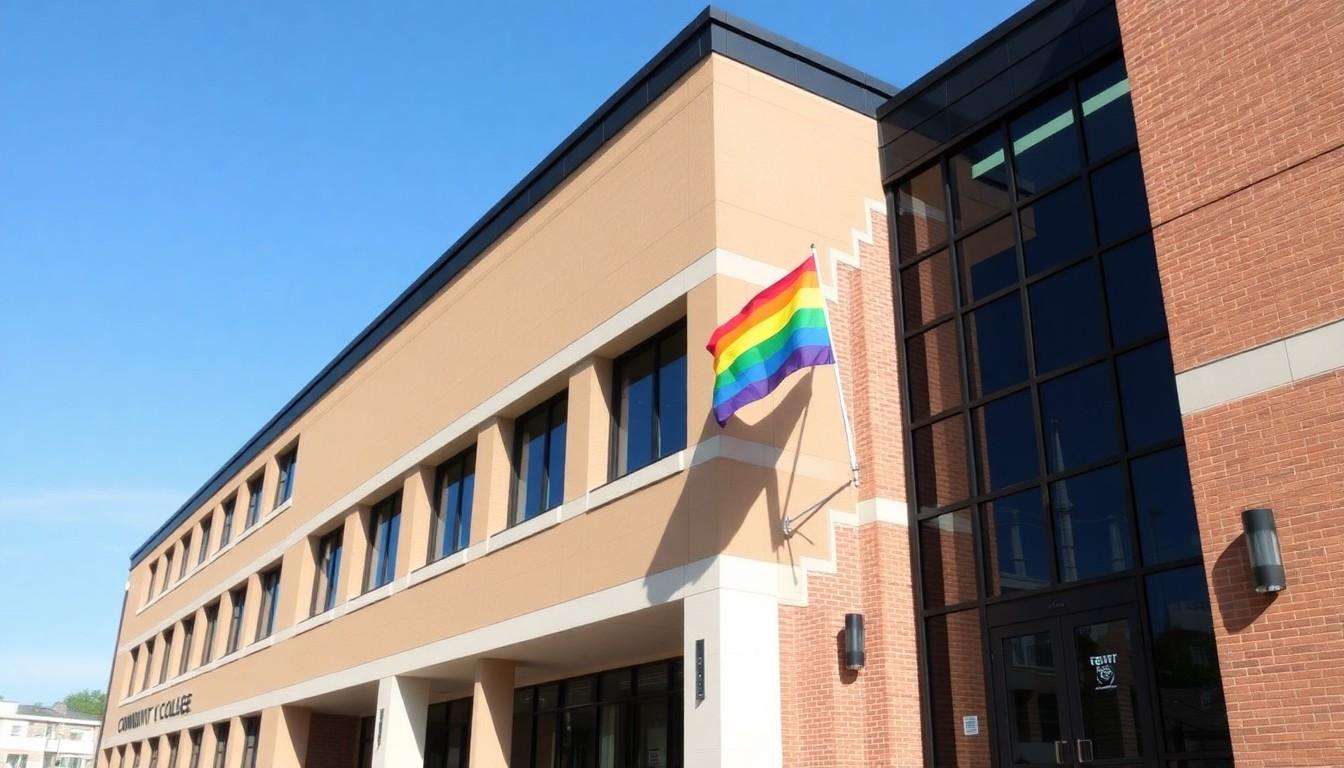
Greenfield Community College is bringing sexuality and aging into the open with a free online talk on intimacy, pleasure and sexual wellness later in life. Led by researcher Jane Fleishman, the 30 September event matters because ageing can change bodies and relationships, but it doesn't erase desire, curiosity or the need for honest, inclusive information.
Essential Takeaways
- Free online event: Greenfield Community College's discussion runs from 2pm to 4pm on 30 September.
- Practical focus: The session will cover changing bodies, intimacy, pleasure, sexual health and useful resources.
- Inclusive perspective: Jane Fleishman's work highlights LGBTQ+ elders and elders of colour.
- Private participation: Attendees can ask questions and join a confidential discussion from home.
- Booking advised: The event is open to everyone, but an RSVP is requested.
Why sexuality and aging deserves a frank conversation
Desire doesn't retire, even when the body starts asking for more patience. That simple truth sits at the heart of Greenfield Community College's upcoming online event, "Ain't No Stopping Us Now: The Pleasures and Pitfalls of Sexuality as We Age".
Taking place on Wednesday, 30 September, the two-hour session will examine how sexuality can shift over time, while keeping pleasure, closeness and personal choice firmly in view. The college's event listing confirms that the programme is free and open to the public.
There’s something quietly useful about holding the conversation online. People can join from a familiar room, perhaps with a cup of tea nearby, rather than having to walk into a public venue to discuss a subject many still find awkward.
Jane Fleishman brings research and lived perspective
The speaker, Jane Fleishman, is an award-winning sexuality educator, researcher and podcaster. She completed her doctorate at Widener University's Center for Human Sexuality Studies at 62, a detail that neatly challenges the idea that learning, professional ambition or sexual self-knowledge belong only to younger people.
Her work centres on sexual wellness among older adults, with particular attention to LGBTQ+ elders and elders of colour. The American Association of Sexuality Educators, Counselors and Therapists also stresses the importance of culturally sensitive approaches when discussing ageing, relationships and sexuality.
Fleishman is the author of The Stonewall Generation: LGBTQ Elders on Sex, Activism, and Aging, which won a Nautilus Book Award. She also co-hosts the Our Better Half podcast and has spoken publicly about whether society is comfortable with the idea of older women having sex. Spoiler: society still has some catching up to do.
What can change as we get older?
Ageing can affect comfort, energy, confidence, relationships and sexual response, but there isn't one standard experience. Some people find that they understand their bodies better, while others may need to navigate health conditions, medication, hormonal changes or grief.
The American Association of Sexuality Educators, Counselors and Therapists describes later-life sexuality as a continuing part of wellbeing rather than a problem to be solved. That broader view matters, because conversations about older adults often focus heavily on illness and risk, leaving little room for pleasure or affection.
The upcoming talk is expected to combine current research with practical information and resources. That could make it especially helpful for anyone who wants a clearer starting point, whether they're single, partnered, newly dating or simply curious about what may change.
Inclusivity matters in later-life sexual wellness
Older adults aren't a single group, and advice that ignores identity, culture or relationship history can quickly feel irrelevant. LGBTQ+ elders, for example, may carry experiences of discrimination or invisibility that shape how comfortable they feel seeking sexual health support.
Research and commentary from ageing organisations have also pointed to the wider social and political pressures affecting older people's sexuality. Access to care, privacy, stigma and assumptions about who is sexually active can all influence wellbeing, not just biology.
That’s why Fleishman's focus is significant. A useful discussion needs to make space for different bodies, orientations, cultures and life stories, rather than offering one polished version of later-life intimacy.
How to approach the event and the conversation
Anyone considering joining should check the technology beforehand, choose a private space and note down questions they might otherwise forget. It can also help to think beyond sex itself: intimacy may include touch, companionship, communication, pleasure and feeling at home in one's body.
Questions about pain, medication, desire or sexual health may need individual advice from a GP, pharmacist or qualified sexual health professional. A public educational session can open the door, but it can't replace personal medical care.
GCC requests an RSVP through its Community Education team. With a relaxed setting and confidential discussion built into the format, the event could offer something many people rarely get: straightforward information without a raised eyebrow.
Source Reference Map
Story idea inspired by: [1]
Sources by paragraph:
- Paragraph 1: [2], [4]
- Paragraph 2: [2], [3]
- Paragraph 3: [4], [5]
- Paragraph 4: [6], [7]
- Paragraph 5: [4], [5]
- Paragraph 6: [6], [7]
- Paragraph 7: [4], [5]
- Paragraph 8: [2], [3]
- Paragraph 9: [4], [5]
- Paragraph 10: [6], [7]
- Paragraph 11: [2], [3]
- Paragraph 12: [4], [5]
- Paragraph 13: [6], [7]
- Paragraph 14: [2], [3]
- Paragraph 15: [4], [5]