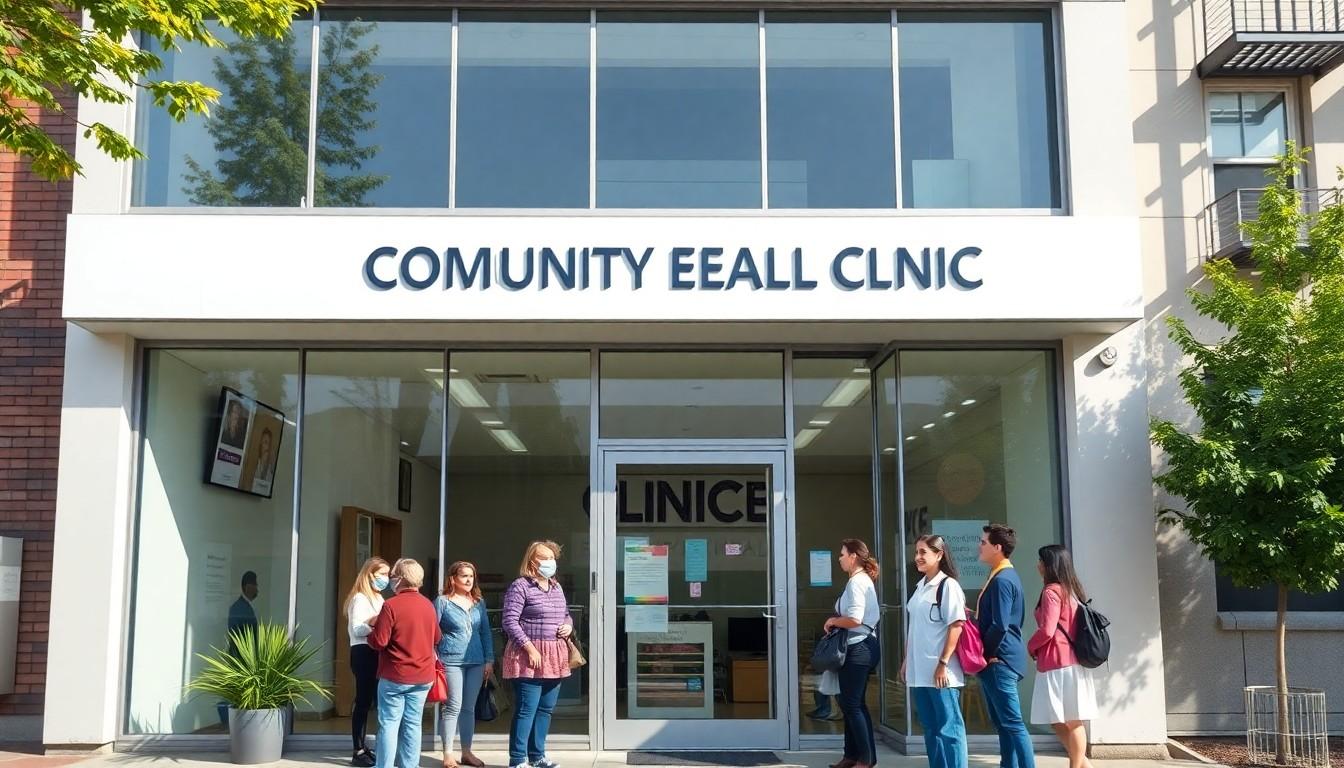
Patients are increasingly asking for healthcare that sees the whole person, not a string of assumptions. From cancer screening and trans healthcare to disability support and end-of-life planning, inclusive care matters because trust can shape whether someone seeks help, shares vital information or returns for follow-up.
Essential Takeaways
- Discrimination affects care: Surveyed LGBTQ+ cancer patients and survivors reported unequal treatment, with many saying it harmed their healthcare experience.
- Screening needs context: Cervical, breast and other screening decisions should reflect anatomy, age, medical history and local guidance, not sexual orientation alone.
- Respect improves communication: Correct names, pronouns, privacy and clear explanations help patients share information clinicians genuinely need.
- Chosen family matters: Healthcare teams should ask who a patient wants involved, particularly during serious illness or end-of-life care.
- Patients can ask questions: Requesting the reason for a test, examination or personal question can make appointments clearer and safer.
LGBTQ+ healthcare discrimination can be quiet, ordinary and damaging
Healthcare discrimination isn't always an outright refusal of treatment. Sometimes it appears as a form that assumes every partner is a husband or wife, a clinician who ignores a patient's symptoms while focusing on identity, or a receptionist who treats a chosen family member as a stranger.
Those moments can feel small from the outside, but repeated appointments make them add up. Research covered by the American Cancer Society Cancer Action Network found that 37% of surveyed LGBTQ+ cancer patients and survivors reported discrimination linked to sexual orientation or gender identity. Among those respondents, 75% said the experience negatively affected their care.
The wider evidence points in the same direction. A study indexed by PubMed found that LGBTQ+ people can face barriers involving trust, communication and previous negative experiences, although no single statistic captures every community or healthcare setting.
Cancer screening should follow bodies, history and risk
One of the most persistent myths is that a patient's identity determines whether screening is necessary. It doesn't. A lesbian or bisexual patient with a cervix may still need cervical screening, while a trans patient may need a personalised discussion based on organs, hormone treatment, surgery and family history.
Screening and symptom checks are also different jobs. Someone who isn't due for routine screening may still need prompt assessment for unexplained bleeding, a new lump or another worrying change. Conversely, more testing isn't automatically better care if it isn't supported by evidence or individual risk.
Research published in Cancer found differences in some breast and cervical screening rates among sexual and gender minority groups. That result is best understood as a warning about access and engagement, not proof that every LGBTQ+ person carries a particular cancer risk.
A useful appointment question is simple: "Which guidance applies to my body and medical history, and why?" It invites a clinical explanation rather than leaving a patient to challenge an assumption.
Trans healthcare needs accurate questions, not stereotypes
A trans person's appointment may have nothing to do with transition. They shouldn't have to explain their identity before a clinician addresses a chest infection, painful joint or persistent stomach symptom.
When anatomy, medication or previous surgery is relevant, clinicians should explain the reason for asking and keep the conversation respectful. A gender marker can't replace a proper medical history, and a rainbow poster can't make up for a rushed or intrusive examination.
Hormone care also needs precision. PubMed-indexed research has examined healthcare experiences and risk questions among transgender populations, but broad claims can easily outrun the evidence. Testosterone isn't contraception, and decisions about hormones, fertility, side effects or screening belong with a qualified clinician who knows the patient's circumstances.
The same principle applies to mental health. Research has identified differences in psychological distress and related outcomes across sexual and gender minority groups, but those findings describe populations, not diagnoses. LGBTQ+ identity itself isn't an illness, and clinicians should avoid treating it as one.
Disability, chronic illness and chosen family belong in the same conversation
An accessible entrance is helpful, but it doesn't solve every access problem. A patient may need more time to communicate, clearer written information, help with sensory overload or the option to bring a trusted support person. Inclusive healthcare has to consider those needs alongside sexuality and gender.
That matters especially when illness is long-term. Disabled LGBTQ+ people can encounter the same disbelief, stereotyping or administrative barriers as other patients, while also being expected to educate services about identity. It's an exhausting combination, particularly when someone is already managing pain or fatigue.
End-of-life care brings relationships into sharper focus. Palliative care teams should ask who matters to the patient rather than assuming biological relatives or a legally recognised spouse are automatically the right people to involve.
A chosen family member may be emotionally central but may not have legal authority to make decisions. Patients can ask about healthcare proxies, advance planning and local rules while they have the time and energy to put their wishes in writing.
Small questions can make an appointment feel safer
Patients shouldn't need a law degree or a medical qualification to receive respectful care, but a few practical questions can help keep an appointment on track. Ask why a test is needed, what information will be recorded, who can see it and what alternatives exist if an examination feels difficult.
It can also help to say who you want involved and how you'd like that person described. For some patients, the right words are partner, spouse, friend, sibling or chosen family. The important point is that the patient gets to define the relationship.
If something goes wrong, keep notes where it's safe to do so and ask for an explanation in writing. A patient liaison service, complaints team, civil-rights body or local healthcare advocate may be able to explain the next step, although legal options vary widely by country and region.
The most useful standard is also the simplest: was the person treated according to their actual health needs, or according to a set of assumptions? Better care begins when services are willing to ask that question of themselves.
It's a small shift in language and practice, but it can make healthcare feel far safer to use.
Source Reference Map
Story idea inspired by: [1]
Sources by paragraph:
- Paragraph 1: [2], [3]
- Paragraph 2: [2], [3]
- Paragraph 3: [4], [6]
- Paragraph 4: [5], [6]
- Paragraph 5: [4], [5]
- Paragraph 6: [4], [7]
- Paragraph 7: [5], [6]
- Paragraph 8: [4], [6]
- Paragraph 9: [5], [6]
- Paragraph 10: [4], [7]
- Paragraph 11: [2], [3]
- Paragraph 12: [4], [5]
- Paragraph 13: [2], [3]
- Paragraph 14: [4], [7]