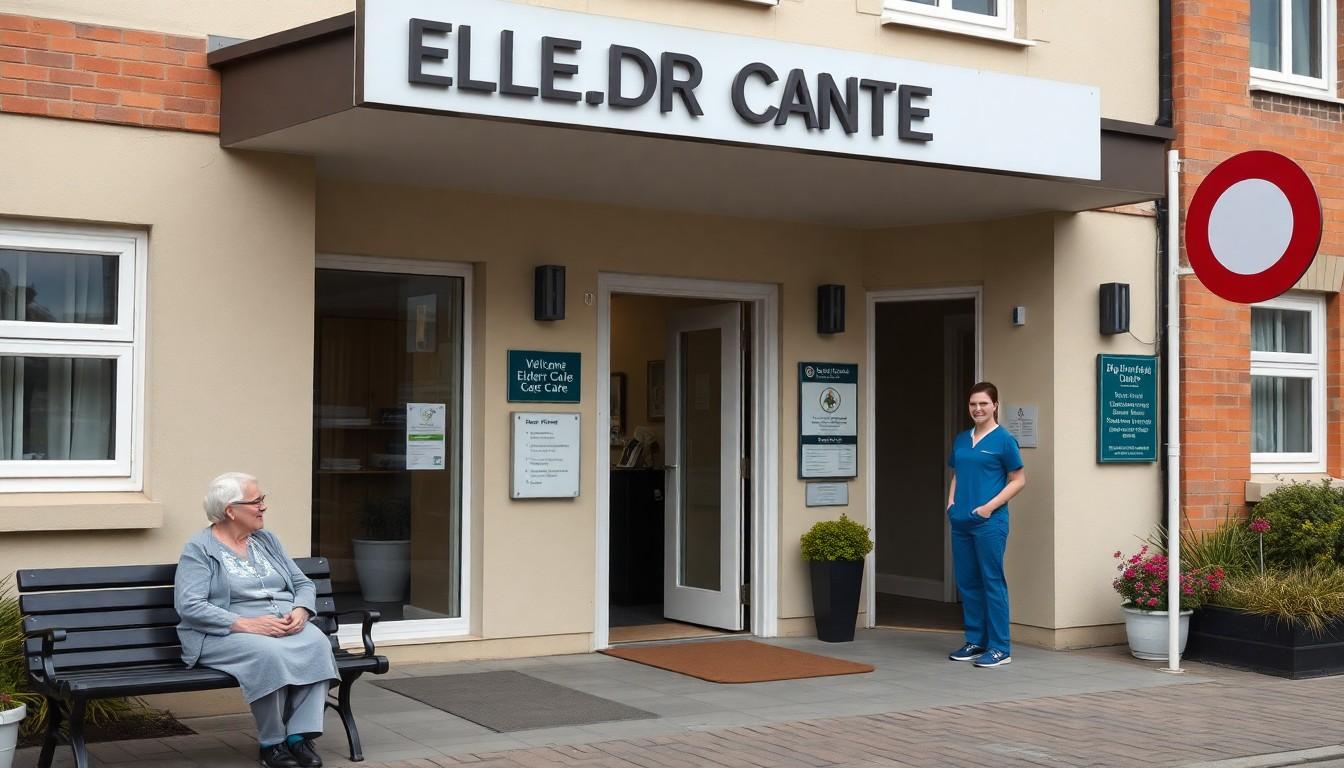
Growing older shouldn’t mean hiding again. In Iceland and Denmark, campaigners and care professionals are highlighting how inclusive elder care can protect LGBT+ people’s dignity, relationships and identity. From staff training to visible queer community life, the message is clear: respectful support must continue long after Pride celebrations end.
Essential Takeaways
- Visibility matters: Older LGBT+ residents should be able to talk about partners, friendships and personal history without fear.
- Training must continue: Staff changes and student placements mean one-off lessons aren’t enough.
- Small details carry weight: Using the right pronouns and relationship terms can make care feel safer.
- Intimacy doesn’t expire: Residents still have romantic, sexual and emotional lives, whatever their age.
- Choice is crucial: Some people may prefer LGBT+ specialist settings, while others want inclusive mainstream care.
Growing older shouldn’t mean going back into the closet
The most troubling risk in LGBT+ elder care isn’t always open hostility. Often, it’s quieter: a wedding photograph removed from view, a husband described as a “friend”, or a resident deciding it’s safer not to mention their past.
That concern has been part of Iceland’s public conversation for years. Samtökin ’78, Iceland’s National Queer Organization, has explored what ageing means for LGBT+ people, while national action planning has acknowledged the risks of isolation and renewed concealment.
The stakes are personal. Someone who spent decades building an open life shouldn’t have to edit it when care workers begin visiting or residential support becomes necessary.
What Copenhagen’s Slottet gets right
Copenhagen offers a useful example through Slottet, a care home with an LGBT+ profile. It isn’t exclusively for queer residents. Instead, it aims to create an atmosphere where LGBT+ people can remain open without having to explain themselves repeatedly.
According to Icelandic nurse and educator Björgvin Huldar, that kind of environment needs more than a rainbow sign by the entrance. Staff, students and nursing assistants receive ongoing LGBT+ competency training, keeping the subject alive as teams change and new people arrive.
That continuity is the important bit. A care home can’t declare itself inclusive once and then assume the work is finished. Language develops, staff move on and residents’ needs vary. Good practice has to be refreshed.
The everyday details that shape trust
Inclusive care often begins with ordinary questions. Asking whether someone has a partner, rather than assuming they have a wife or husband of a particular gender, leaves room for a more accurate answer. Recording someone as married when they’re married, rather than downgrading that relationship to “partnered”, matters too.
Björgvin’s healthcare teaching shows how quickly assumptions can become exhausting. LGBT+ patients may be repeatedly misgendered, asked irrelevant questions or expected to explain their identity while they’re unwell. As he puts it, people seeking treatment shouldn’t have to become unpaid educators first.
The same applies to presentation. A patient shouldn’t receive warmer or more approving treatment simply because their clothes, manner or appearance fit conventional expectations. Respectful care means meeting the person who is there, not rewarding them for seeming more familiar.
Love, sex and friendship don’t stop at 96
One of the clearest lessons from Slottet is that older people still want closeness. They may have partners, lovers, chosen families and social lives that matter deeply, even if their bodies or circumstances have changed.
Björgvin recalls a gay man in his nineties who welcomed visits from his boyfriend. A care worker who treated their private intimacy as suspicious revealed a common double standard: the same scene involving a man and a woman might have been met with little more than an embarrassed apology.
Social life matters as well. Slottet hosts Rainbow gatherings, films, discussions and celebrations, giving residents opportunities to connect with LGBT+ people across generations. For some, that visibility can even reopen friendships lost over the years.
Specialist homes or inclusive care everywhere?
There isn’t one perfect model. Some older LGBT+ people may actively want a community where queer life is visible and understood. Others may prefer to remain in mainstream housing, provided staff are properly trained and respectful.
Samtökin ’78’s work on queer ageing points towards a broader goal: LGBT+ inclusion should be built into ordinary services, not left to a handful of specialist facilities. That would give people more choice rather than forcing them to move in order to feel safe.
A specialist setting can offer comfort and community, but it shouldn’t become an excuse for other care homes to do less. Whether someone lives in a dedicated LGBT+ environment or a general facility, their identity should remain theirs to share, not something care systems quietly erase.
A more human standard for elder care
The best approach is not to treat everyone identically. It’s to recognise that every resident has a different history, body, relationship network and comfort level. Fair care may require different questions, different support and a willingness to listen rather than assume.
That doesn’t mean staff have to be perfect. They do need to be curious, accountable and prepared to correct themselves. A small adjustment in language can prevent a resident from feeling invisible, while a careless reaction can close down trust for good.
Growing old may involve giving up some independence. It shouldn’t require giving up identity, affection or the right to be recognised as the person you’ve spent a lifetime becoming.
Inclusive care is ultimately simple: let people remain fully themselves.
Source Reference Map
Story idea inspired by: [1]
Sources by paragraph: