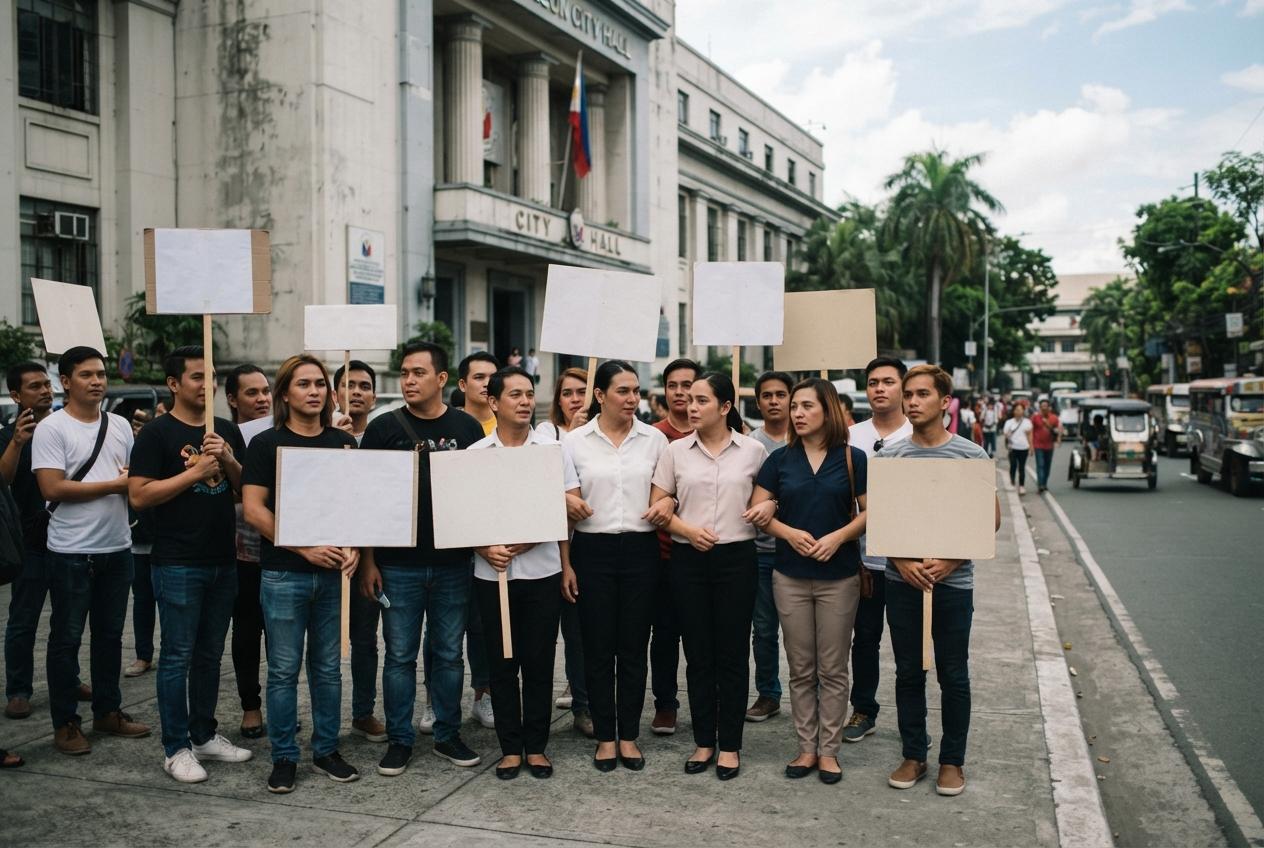
LGBTQIA+ activists in the Philippines are linking the fight for SOGIESC equality with national sovereignty, as debate intensifies over the US-backed Pax Silica initiative, foreign investment and the possible impact on land, resources and communities.
Essential Takeaways
- A wider political argument: Bahaghari says LGBTQIA+ rights cannot be separated from questions of sovereignty and economic control.
- Pax Silica under scrutiny: Scientists and environmental officials have raised questions about the initiative's claims and potential environmental effects.
- Business support is growing: Industry groups view the project as a route to stronger supply chains and technology investment.
- Protected development matters: The Management Association of the Philippines has called for safeguards around affected communities and ecosystems.
- A rights-based lens: Activists argue that development should benefit Filipino communities first, rather than mainly foreign corporations or local elites.
The protest is about more than one technology project
The lightning rally organised by Bahaghari and allied groups brought an often-overlooked argument into the Pax Silica debate: economic policy and LGBTQIA+ rights are connected.
For the activists, equality isn't meaningful if communities remain vulnerable to displacement, environmental damage or decisions made primarily for overseas investors. That gives the protest a broader emotional charge than a standard policy objection. It turns a discussion about supply chains and industrial capacity into a question of who gets to shape the Philippines' future.
The concern comes as the country deepens its involvement in a US-led supply chain alliance, with a planned industrial zone covering around 4,000 acres. Philstar reported that the agreement is intended to strengthen cooperation in strategic industries, adding urgency to questions about land use and public oversight.
Why Pax Silica has become such a flashpoint
Pax Silica is being promoted as part of a wider effort to build resilient supply chains for semiconductors, artificial intelligence and other advanced technologies. GMA News reported that Washington had placed a Philippine AI project high on its economic priorities, reflecting the country's growing role in regional technology competition.
That promise is attractive. New facilities could bring jobs, infrastructure and technical investment, while reducing reliance on fragile global supply routes. A sleek technology campus may sound like progress, but the less glamorous details, including land acquisition, water use, emissions and local consent, are where public confidence is won or lost.
Scientists have challenged some claims surrounding the project, according to Philstar, while the Department of Environment and Natural Resources has said its environmental impact has not yet been assessed. Those developments make calls for caution harder to dismiss as simple opposition to investment.
Business sees opportunity, but safeguards are crucial
The business community has backed the initiative, with Philstar reporting that an industry group sees Pax Silica as a potential boost for competitiveness, investment and the country's position in high-value manufacturing.
That support reflects a familiar tension in development debates. Businesses tend to focus on the jobs and capital that could arrive, while residents and campaigners ask who carries the risks if plans expand quickly. Both perspectives matter, especially when projects involve strategic land and resources.
The Management Association of the Philippines has urged a protected approach, GMA News reported. In practical terms, that means transparent planning, strong environmental rules and meaningful consultation before construction begins, rather than treating safeguards as paperwork to complete afterwards.
Activists connect sovereignty with equality
Bahaghari spokesperson Yell Teresa argued that the government appeared more willing to advance Pax Silica than the long-delayed SOGIE Equality Bill. Her criticism points to a frustration shared by many campaigners: officials can move rapidly when courting foreign capital, yet struggle to deliver protections for LGBTQIA+ Filipinos.
The organisation's position is that liberation cannot be separated from national sovereignty. It says LGBTQIA+ communities should not be used to legitimise projects that could threaten farmland, ancestral domains, livelihoods or natural resources.
That argument also broadens the coalition. Instead of presenting the issue as solely an LGBTQIA+ campaign, Bahaghari is inviting farmers, Indigenous communities, workers and other sectors into the conversation. It's a reminder that rights are lived in places, not just written into legislation.
What should happen before projects move ahead?
The immediate question isn't whether the Philippines should reject every foreign-backed investment. It is whether the country can attract technology and jobs without weakening public control over land, resources and environmental standards.
Before major commitments advance, communities need accessible information about proposed sites, ownership arrangements, environmental risks and expected benefits. Independent assessments should come before construction, and consultation should involve affected residents rather than being reduced to a box-ticking exercise.
The environmental questions remain particularly important. Philstar reported that the potential impact of Pax Silica had not been assessed by the DENR, while the scientists' objections add another layer of uncertainty. For many Filipinos, that uncertainty will matter as much as the promised investment.
The debate is likely to continue as supporters emphasise strategic growth and activists demand people-centred development. For Bahaghari, the message is clear: national progress should not come at the expense of equality, dignity or democratic control.
A technology boom is only worth celebrating if ordinary communities can share in its benefits and trust the rules protecting them.
Explore the debate with both investment and community safeguards in view.
Source Reference Map
Story idea inspired by: [1]
Sources by paragraph:
- Paragraph 1: [2], [4]
- Paragraph 2: [3], [5]
- Paragraph 3: [7], [6]
- Paragraph 4: [2], [6]
- Paragraph 5: [3], [4]
- Paragraph 6: [5], [7]
- Paragraph 7: [2], [6]
- Paragraph 8: [4], [5]
- Paragraph 9: [3], [7]
- Paragraph 10: [2], [6]
- Paragraph 11: [4], [6]
- Paragraph 12: [3], [5]
- Paragraph 13: [2], [6]
- Paragraph 14: [3], [4]
- Paragraph 15: [5], [7]
- Paragraph 16: [2], [6]