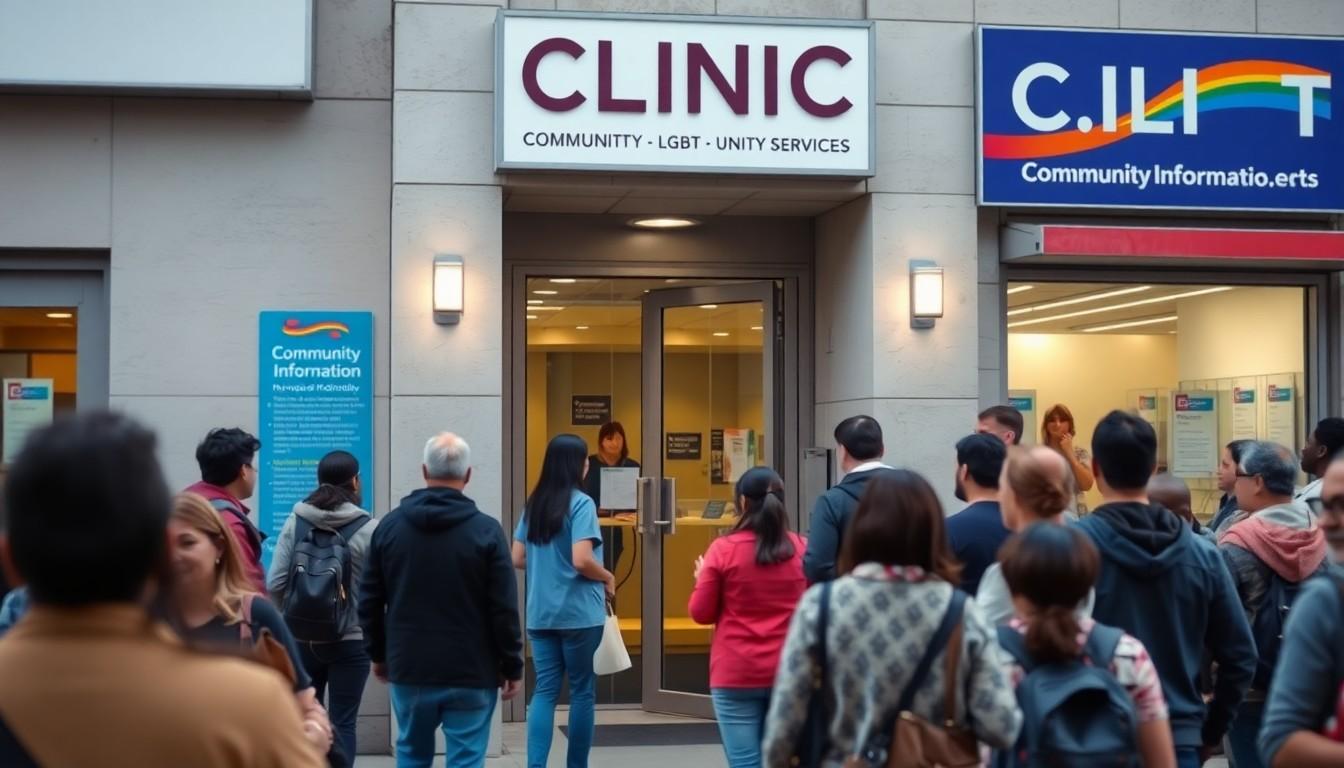
Bisexual Awareness Week, held from 16 to 23 September, brings visibility to a community too often misunderstood, overlooked or asked to prove its identity. With Celebrate Bisexuality+ Day on 23 September, campaigners are highlighting why recognition, safer services and equal dignity matter in everyday life.
Essential Takeaways
- A week of visibility: Bisexual Awareness Week runs from 16 to 23 September, ending with Celebrate Bisexuality+ Day.
- The issue is broader than labels: Bisexual people can face misunderstanding in healthcare, workplaces, immigration systems and even LGBTQ+ spaces.
- Visibility can carry risks: Being open about bisexuality shouldn't mean accepting harassment, disbelief or poorer treatment.
- The date has a history: Celebrate Bisexuality+ Day has become an annual opportunity to recognise bisexual identities and contributions.
- Small changes help: Inclusive questions, respectful language and better staff training can make services feel safer.
Visibility isn't just a rainbow badge
Bisexual Awareness Week arrives with a simple message: being attracted to more than one gender isn't confusion, indecision or a halfway point between other identities. It's a valid identity in its own right, and one that deserves to be understood without interrogation.
The annual observance runs from 16 to 23 September, with Celebrate Bisexuality+ Day taking place on 23 September. Event listings from Washington state's LGBTQ+ commission and ReconcilingWorks describe the week as a chance to raise awareness, support bisexual people and challenge the stereotypes that can make them feel invisible.
That visibility matters because bisexual people are often expected to explain themselves before they're believed. It can be exhausting, particularly when the same assumptions appear in places that should offer support.
Healthcare still needs to ask better questions
A medical appointment can feel routine until the questions make clear that the system has only imagined one kind of relationship. If a clinician asks about a patient's partners in a narrow or leading way, important information can be missed, including details relevant to sexual health and safeguarding.
Inclusive healthcare isn't about making every conversation longer for the sake of it. It's about asking open, respectful questions that allow people to describe their relationships accurately, without suggesting that one gender automatically tells the whole story.
For patients, it can help to be direct about the information they want recorded, particularly where testing, contraception or sexual-health advice is concerned. For clinics, the practical fix is clearer forms, better training and language that doesn't quietly assume heterosexuality or monosexuality.
Why workplace stereotypes have real consequences
The idea that bisexual people are somehow "greedy", unreliable or merely experimenting may sound like tired pub banter, but stereotypes can affect whether someone feels safe disclosing their identity at work. Awareness Days notes and community events increasingly frame bisexual visibility as an issue of dignity and belonging, rather than a once-a-year social-media theme.
A respectful workplace should judge performance, not a person's sexuality. That means harassment policies must clearly protect bisexual staff, while managers need to understand that jokes, unwanted advances and intrusive questions aren't made harmless by calling them banter.
Employees shouldn't have to choose between being open and feeling secure. A good starting point is a clear reporting route, confidential support and training that includes bisexual experiences rather than treating them as an afterthought.
The wider LGBTQ+ community has a role to play
Bisexual people can encounter prejudice from outside the LGBTQ+ community, but they may also face dismissal within it. Some are told they're simply passing through, seeking attention or benefiting from a label without facing the same pressures as other queer people.
That attitude misses the point. People don't choose an identity because marginalisation is convenient. They should be able to name themselves without having to produce a relationship history as evidence, whether they're dating someone of the same gender, a different gender or nobody at all.
Celebrate Bisexuality+ Day is therefore more than a calendar entry. Listings from Timeanddate and Awareness Days present it as an opportunity to recognise bisexual people and improve understanding, while local organisers such as the Adirondack North Country Gender Alliance use events to create community and conversation.
What meaningful support looks like
The most useful support is often refreshingly ordinary. Use the identity a person gives you, avoid assumptions about their partner and don't treat bisexuality as a debate topic. If someone shares their experience, listening without demanding proof is a good start.
Organisations can go further by reviewing forms, updating equality policies and checking whether staff training includes bisexual people explicitly. Community groups can also make events welcoming to people who are single, partnered, questioning or reluctant to be publicly visible.
There is no shortage of annual awareness dates, but this one asks for something more lasting than a themed graphic. As the week unfolds, the real test is whether people feel safer and more respected after the banners come down.
Bisexual visibility matters most when it becomes everyday dignity.
Source Reference Map
Story idea inspired by: [1]
Sources by paragraph: