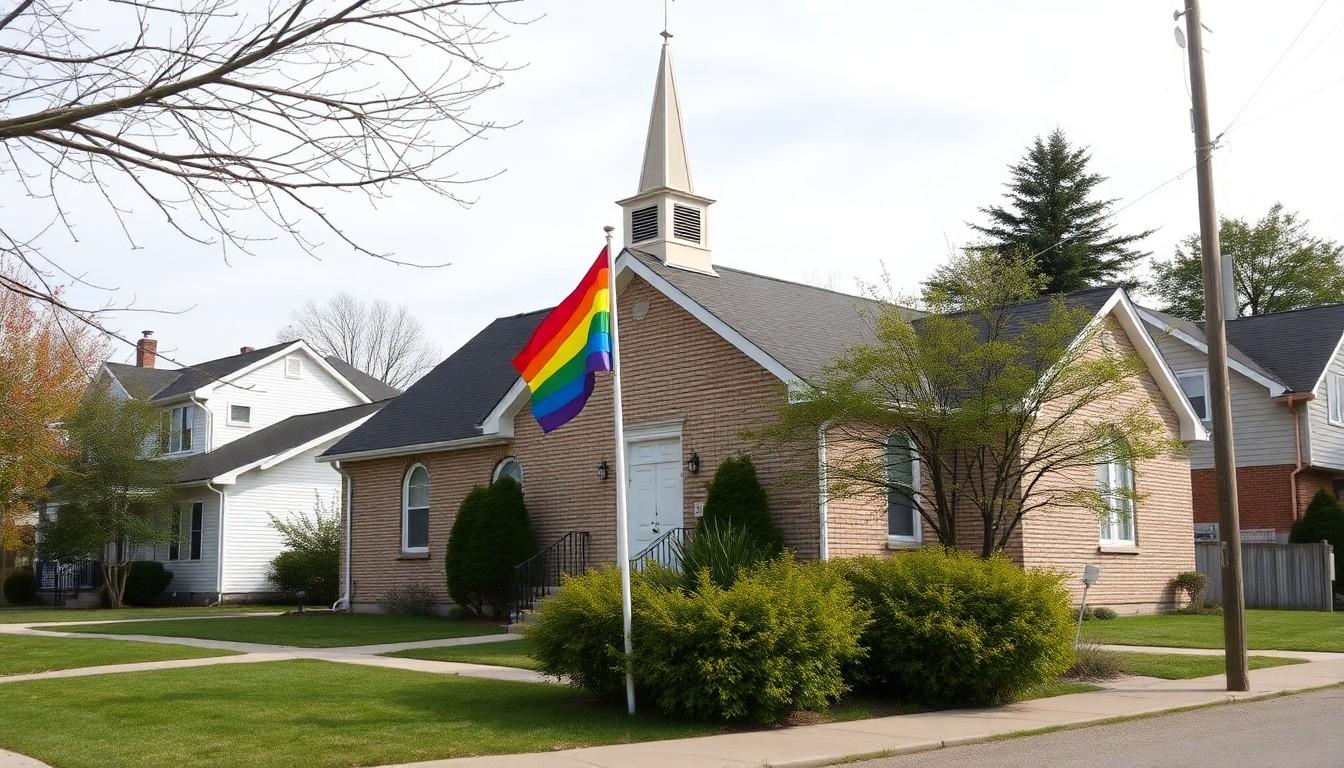
Organisers of Pride Kel-So are facing a fresh setback after Southlake City Council rejected a permit for the community festival at an Episcopal church. The October event was expected to build on last year's gathering, which attracted around 1,600 people, but organisers say they're disappointed rather than defeated.
Council rejects the festival permit without discussion
Southlake City Council unanimously voted against issuing a permit for the Pride Kel-So celebration, which was due to take place at St Martin-in-the-Field Episcopal Church on 3 October. According to The Dallas Morning News, the council did not debate the event or question city staff and organisers before making its decision.
That silence has left a particularly awkward gap around the vote. The city's spokeswoman, Pilar Schank, reportedly said she didn't know why the permit had been refused, while the mayor and council members didn't respond to requests for comment.
For organisers, the lack of explanation is almost as troubling as the rejection itself. A public event can be cancelled for clear safety, planning or administrative reasons, but residents are left guessing when officials offer no visible rationale. [2], [4]
A church says Pride belongs in its community
The festival was planned by St Martin-in-the-Field, which sits on the Southlake-Keller border and hosted Pride Kel-So last year. The church's 10-acre site provided room for a sizeable gathering, making it a natural venue for an event that combines entertainment, local groups and community outreach.
The Rev Alan Bentrup, the church's leader, said the congregation's support was rooted in its faith. He told The Dallas Morning News, "We believe God's love is for everyone," adding that the church was acting because of the gospel, not in opposition to it.
That message places the dispute within a broader argument over whether religious spaces can become welcoming venues for LGBTQ+ communities. For supporters, the answer is straightforward: inclusion isn't a side project but part of the church's public role. [1], [4]
Pride events in the area have become flashpoints
Pride Kel-So's previous gathering drew roughly 1,600 people, suggesting there was meaningful local interest in the event. However, related coverage of earlier Keller-Southlake Pride activity also points to a tense atmosphere, with attention focused on attendance, performers and alleged compliance issues under Texas legislation.
That combination is important. These festivals aren't simply judged by turnout; they're also being pulled into wider culture-war debates about drag performances, transgender representation and what events should be available to all ages. The result is a community celebration that can attract families and volunteers while simultaneously becoming a political lightning rod.
Southlake's public agenda records show how much formal civic attention can surround local events and community activities. Yet public scrutiny doesn't necessarily make the decision-making process clearer, especially when officials don't explain a vote. [2], [3], [5]
What the organisers could do next
Pride Kel-So organisers told The Dallas Morning News they were frustrated but wouldn't give up. Their next steps could include seeking a different venue, revisiting the application or asking the city to clarify which requirement the proposal failed to meet.
For anyone organising a similar festival, the practical lesson is unglamorous but useful: keep a detailed paper trail. Confirm deadlines, insurance, security plans, crowd estimates, entertainment rules and any requirements affecting performances or minors. Clear written communication won't guarantee approval, but it makes unexplained refusals easier to challenge.
A change of venue would also alter the feel of the festival. A church campus offers a symbolic welcome and a large outdoor footprint, while a public park or private events site may bring different capacity limits, costs and restrictions. [4], [6]
The wider question is transparency
At its heart, this is less about one October party than about how local authorities handle contested community events. Councils are entitled to apply neutral rules on safety and planning, but residents reasonably expect those rules to be visible and consistently applied.
The city's public agenda resources provide a route for residents to follow meetings, committees and decisions, even if they don't answer every question raised by this particular vote. Organisers and supporters will likely be watching future agendas closely, especially if a new application or appeal emerges.
For now, the festival's future remains uncertain. But the church's message is clear, and the controversy may ensure that Pride Kel-So receives even more attention than its organisers originally expected. [5], [7]
It's a setback for one festival, but the demand for a clear explanation isn't going away.
Source Reference Map
Story idea inspired by: [1]
Sources by paragraph: