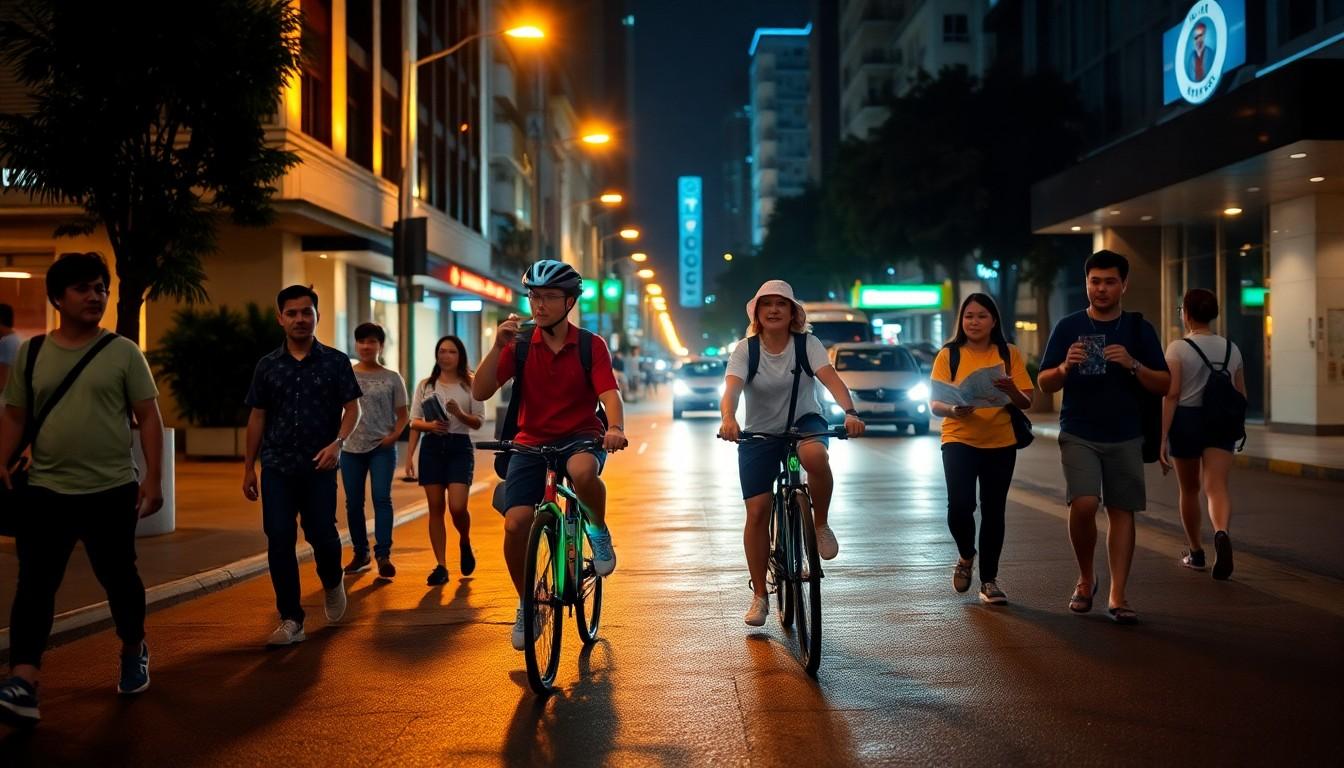
Readers are being invited to see Singapore through a sapphic lens, where relative safety, lively queer gatherings and unforgettable hawker food sit alongside social caution and lingering prejudice. For visitors and LGBTQ+ travellers alike, this portrait offers a warmer, more honest way to understand the city beyond its polished skyline.
Essential Takeaways
- Safety comes first: Singapore is often described as comparatively safe, although attitudes can vary sharply between generations and communities.
- Read the room: LGBTQ+ visitors and residents may find younger or more open-minded people welcoming, while some conservative groups remain hostile.
- Queer culture is visible: GL fan meets, online communities and LGBTQ+ stories are increasingly easier to find.
- Eat adventurously: Black pepper crab, laksa, kopi and hawker-centre suppers are firmly on the must-try list.
- Pack for the climate: Heat, humidity and strong sunshine can make even a short walk feel surprisingly strenuous.
Singapore feels safe, but that doesn't mean effortless
The most striking detail in this account of Singapore is also the simplest: it feels mostly safe. For LGBTQ+ people, that basic confidence can shape everything from a late-night cycle to the decision to attend a social gathering.
That doesn't mean every setting is equally comfortable. Legal and social protections remain complicated, and public attitudes can differ widely, particularly where conservative religious or traditional views hold sway. Legal explainers and rights organisations continue to point to gaps between everyday safety, formal equality and full social acceptance. (Sources include LegalClarity and Global Human Rights Defence.)
For travellers, the practical lesson is fairly straightforward. Enjoy the city, but don't assume every room will be equally open-minded. A little awareness can go a long way, especially when discussing relationships, identity or personal history with strangers.
A changing landscape for sapphic visibility
Singapore's queer culture hasn't appeared overnight, but its visibility has shifted. Younger people and more progressive older residents are often described as relaxed about LGBTQ+ identities, while online platforms and streaming services have helped put more wlw stories in front of mainstream audiences.
That progress hasn't been entirely smooth. NME reported that an international streaming platform temporarily blocked a number of LGBTQ+ programmes in Singapore, a reminder that representation can still be vulnerable to local rules and pressure. Meanwhile, rights coverage from Expatica and Global Human Rights Defence highlights the continuing tension between increased visibility and incomplete protection.
For sapphic readers, the city's GL fan meets offer an especially appealing entry point. They're a chance to find community without needing to turn a holiday into a formal political statement. Sometimes, a room full of people who already understand the reference is its own kind of relief.
What should visitors actually do?
Singapore is at its most atmospheric after dark. A late-night cycle through the city, followed by supper at an all-night hawker centre, offers a more memorable experience than simply ticking off the usual landmarks. The streets feel cooler, the skyline glows and the food does most of the talking.
Safety advice still matters, even in a comparatively secure destination. Keep your phone and belongings close, use well-lit routes and stick with trusted transport or bike schemes. Gay travel guidance generally presents Singapore as one of the safer destinations in the region, while also advising visitors to remain discreet in situations where local attitudes may be uncertain.
The weather is the less subtle challenge. Heat and humidity can flatten your energy quickly, so plan outdoor activities for the evening, carry water and treat air-conditioned cafés as tactical rest stops rather than guilty pleasures.
Come hungry for black pepper crab and laksa
Food is one of Singapore's strongest invitations, and the local menu is wonderfully difficult to narrow down. Black pepper crab is the headline act, with laksa, kopi, drunken prawns, butter cream crab, jackfruit, pomelo and durian adding plenty of competition.
Hawker centres are ideal for sampling several dishes without committing to one long restaurant meal. They're informal, lively and often better suited to curious eaters who want variety. That spirit of exploration also fits the city's restaurant scene, where sticking to one favourite would mean missing out on a great deal.
A useful tip is to order modestly at first. Singaporean portions and flavours can be generous, and the best meal may be the one assembled through several small decisions rather than one overconfident feast.
Housing and privacy remain part of the conversation
Travel stories can make a city sound carefree, but daily life raises different questions. LGBTQ+ people in Singapore have also faced housing challenges, including concerns around family expectations, discrimination and the practical difficulty of finding spaces where privacy feels secure.
Reporting from A Space Between documents how housing can affect LGBTQ+ residents' independence and sense of belonging. That matters because safety isn't only about walking home at night. It also means having somewhere to live where you don't need to edit yourself constantly.
Singapore's outlook feels neither bleak nor perfectly settled. Visibility is growing, social circles are changing and queer communities continue to create their own gathering places. But the safest approach, for now, is still a blend of optimism, awareness and good judgement.
Singapore's sapphic story is changing, one night ride, fan meet and hawker supper at a time.
Source Reference Map
Story idea inspired by: [1]
Sources by paragraph: