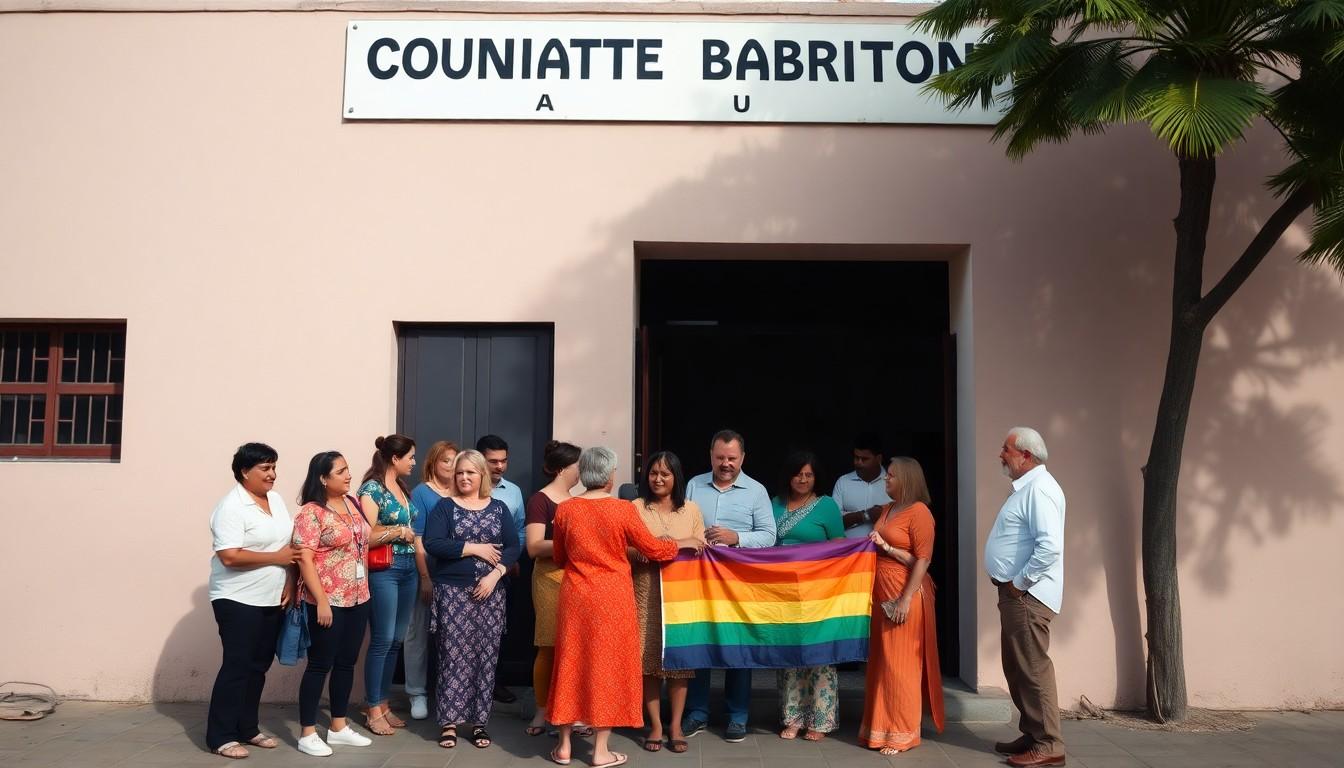
Residents, public bodies and community groups in Paysandu are joining forces through a new local LGBTQ+ council, with a diversity fair and march planned for September. The initiative matters because it aims to move beyond one month of visibility, creating a steadier conversation about rights, access to services and inclusion across the department.
Essential Takeaways
- New local structure: Paysandu has created its first departmental council focused on sexual diversity.
- Public events ahead: A diversity fair and march are planned for September, including activities around Avenida Brasil.
- Year-round goal: Organisers want regular coordination rather than support limited to Pride-season events.
- Existing services matter: Chaplin Polyclinic has worked on LGBTQ+ issues since 2017, according to local officials.
- Targeted support exists: Uruguay's social programmes include specific places and benefits for trans people.
Paysandu's LGBTQ+ council aims to turn visibility into action
The most important change in Paysandu isn't the colourful fair or the marching route, although both will bring plenty of energy to the city. It's the creation of a departmental council designed to keep LGBTQ+ issues on the public agenda throughout the year.
The new body brings together state institutions and civil society organisations. According to Uruguay's Ministry of Social Development, the wider national framework exists to coordinate public policy and advise government on sexual diversity, rather than treating inclusion as the responsibility of one department alone.
That local connection could make the difference. A council based in the department is closer to the services, schools, health centres and community groups that residents actually use, giving concerns a clearer route into policy discussions.
A march and fair will bring the plans into public view
The programme includes a Diversity Fair at Chaplin Polyclinic and a march on 19 September, ending at Plaza de la Igualdad on Avenida Brasil. The events are intended to create a welcoming public space for organisations, institutions and small businesses, not simply provide a backdrop for speeches.
The March for Diversity has been organised by the Manos Purpuras collective for several years, independently of the ministry's involvement. That detail is significant: public authorities are supporting a community-led tradition, rather than presenting the movement as a government invention.
Uruguay's national diversity policy also stresses cooperation between institutions and social organisations. In practice, that means the fair can be more than a one-day celebration, offering residents a chance to discover services, ask questions and meet groups doing quieter work behind the scenes.
Why permanent coordination matters
For many people, the most frustrating part of inclusion work is its stop-start rhythm. Services become visible during September, campaign posters appear, and then attention fades. The new council is intended to challenge that pattern by building a continuing agenda.
The Ministry of Social Development's national department for sexual diversity covers policy development, support and coordination. Its national plan provides a broader framework, including measures aimed at reducing discrimination and improving access to rights and services.
That long view matters locally. Issues such as employment, healthcare, education, housing and documentation rarely fit neatly into a single event. A council can help identify gaps, share information between organisations and keep responsibility from falling on volunteers alone.
Health and employment support remain central
Chaplin Polyclinic has been highlighted for its work on sexual diversity since 2017, giving the new local effort an established health connection. For residents, familiar and informed services can feel far more useful than a glossy campaign that disappears after the march.
There are also targeted social measures. Officials referred to the Tarjeta Uruguay Social programme for trans people, as well as a specific quota within the Accesos employment scheme. Uruguay's national policy documents place these measures within a wider attempt to address structural disadvantages affecting trans and LGBTQ+ communities.
Still, access on paper isn't the same as access in real life. People need clear information, respectful treatment and straightforward routes to support. That is where local coordination can make a practical difference, especially for anyone who doesn't know which office or organisation to approach first.
The work continues after the banners come down
Local officials have acknowledged that Paysandu still has progress to make on tolerance and equal treatment. The new council doesn't solve those problems overnight, but it creates a place where they can be discussed more consistently and publicly.
The next test will be whether the group maintains momentum after the September events. Regular meetings, transparent priorities and feedback from LGBTQ+ residents would give the council a stronger foundation than a calendar of annual celebrations alone.
For now, the launch offers a hopeful, grounded message. Visibility can open the door, but sustained cooperation is what helps turn recognition into everyday rights.
It's a small city's step towards making inclusion part of ordinary public life.
Source Reference Map
Story idea inspired by: [1]
Sources by paragraph:
- Paragraph 1: [2], [4]
- Paragraph 2: [3], [5]
- Paragraph 3: [5], [6]
- Paragraph 4: [7], [2]
- Paragraph 5: [4], [6]
- Paragraph 6: [2], [5]
- Paragraph 7: [6], [5]
- Paragraph 8: [5], [6]
- Paragraph 9: [6], [2]
- Paragraph 10: [5], [6]
- Paragraph 11: [2], [4]
- Paragraph 12: [5], [6]
- Paragraph 13: [2], [4]
- Paragraph 14: [5], [6]
- Paragraph 15: [2], [5]
- Paragraph 16: [6], [4]