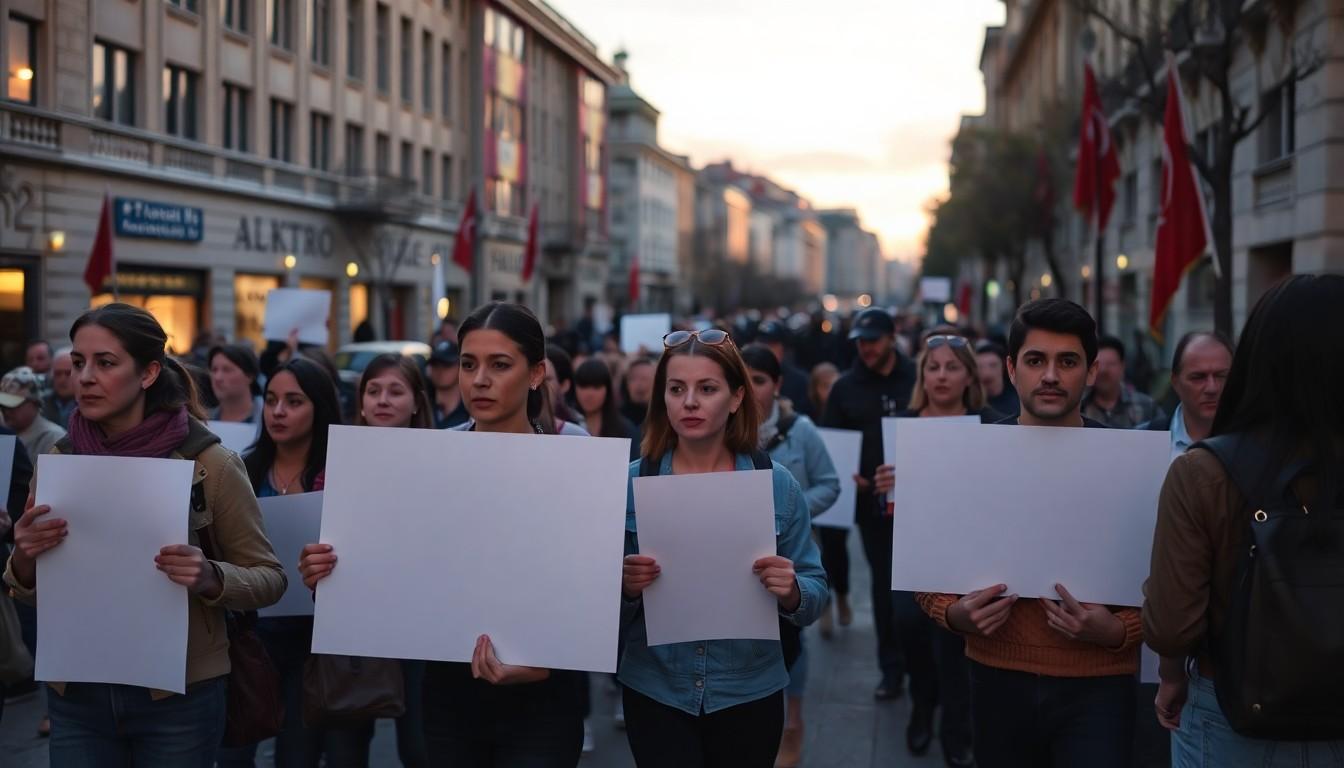
Protests have followed a fresh wave of arrests targeting LGBT+ people and activists in Turkey, with dozens detained in Istanbul and Ankara. The operation has drawn condemnation from opposition politicians, journalists and international rights groups, raising urgent questions about free expression, equality and the government’s increasingly family-focused political agenda.
Essential Takeaways
- Dozens detained: Lawyers and politicians reported arrests in Istanbul and Ankara after protests and police raids.
- Journalists caught up: Reporters were reportedly detained while covering the operation and LGBT+ issues.
- Broad allegations used: Authorities cited offences including obscenity, aiding prostitution and alleged foreign financial links.
- International concern: European officials and Amnesty International criticised the crackdown.
- LGBT+ identity isn’t illegal: Homosexuality isn’t criminalised in Turkey, but discrimination and hostility remain widespread.
Arrests turn protests into a wider rights confrontation
The latest LGBT crackdown in Turkey has moved quickly from police raids to street protests, creating a tense atmosphere outside Istanbul’s Caglayan courthouse. Demonstrators called for detainees to be freed, while slogans about freedom and living openly cut through the anger and fear surrounding the arrests.
According to AFP reporting carried by Courrier International, 91 people were detained after a lunchtime demonstration in Istanbul. Further arrests were reported in Ankara later in the day, where several hundred activists gathered in the capital. The figures underline how rapidly a policing operation has become a national political flashpoint.
What sparked the Turkish LGBT crackdown?
The operation began with raids on gay venues and the homes of LGBT+ activists. Authorities reportedly used accusations including “obscenity”, assisting prostitution and financial connections abroad, allegations rights groups say risk being applied broadly to suppress organising rather than investigate specific criminal conduct.
Al Jazeera reported that dozens were detained during the initial raids, while social-media accounts linked to rights organisations and independent media were also blocked. That combination, arrests on the ground and restrictions online, can leave communities struggling to communicate just when reliable information matters most.
For LGBT+ groups, the concern is less about one investigation than the wider message it sends. When ordinary meetings, journalism and advocacy are treated as suspicious, the chilling effect reaches far beyond those named in a case.
Journalists and opposition parties push back
The crackdown has also raised press-freedom concerns. The Turkish Journalists’ Union said reporters from BirGun and German public broadcaster ARD were among those arrested, while another journalist was due to face prosecutors over reporting on LGBT+ activism in neighbouring Georgia.
Opposition groups have condemned what they describe as the use of the justice system to punish people because of their sexual orientation or identity. AP’s coverage highlighted the political dispute around the arrests, including criticism from parties that say the government is turning law enforcement into an instrument of intimidation.
The reaction is notable because the opposition itself is divided over other major issues, including the peace process involving Kurdish representatives and the Kurdistan Workers’ Party. Yet the LGBT crackdown has offered a rare point of clarity: even politically cautious parties are warning that repression cannot sit comfortably alongside claims of social peace.
Erdoğan’s “family” politics puts LGBT+ people in the spotlight
President Recep Tayyip Erdogan has repeatedly made LGBT+ people a target of political rhetoric, presenting traditional family values as central to the state’s social vision. The government has also linked LGBT+ issues to worries about Turkey’s falling birth rate, a connection critics dismiss as both stigmatising and politically convenient.
The authorities have designated 2026 as the “Decade of the Family”, giving the campaign a formal national frame. That language may sound protective on the surface, but European rights officials have warned that appeals to family values or child protection cannot justify blanket restrictions on human rights.
In everyday terms, this is why the story matters beyond Turkey’s LGBT+ community. A government’s definition of “family” can shape who feels safe at work, in public spaces and online. As one Istanbul protester told reporters, people were being targeted for being themselves and defending their rights.
International pressure grows as arrests continue
The European Union criticised the operation, followed by the Council of Europe’s Commissioner for Human Rights, Michael O’Flaherty. He said references to family values and child protection shouldn’t be used to excuse restrictions on fundamental freedoms.
Amnesty International also called for the policy to end. According to the organisation’s regional leadership, the arrests had little to do with protecting families and instead risked intensifying decades of discrimination and intimidation against LGBT+ people.
Turkey doesn’t criminalise homosexuality, but legal status alone offers limited comfort when public hostility, political attacks and police action combine. The coming days will show whether the arrests remain a short, sharp campaign or become part of a longer crackdown on LGBT+ organising and independent journalism.
It's a small distinction on paper, but a profound one in real life: being legal isn't the same as being safe.
Source Reference Map
Story idea inspired by: [1]
Sources by paragraph: