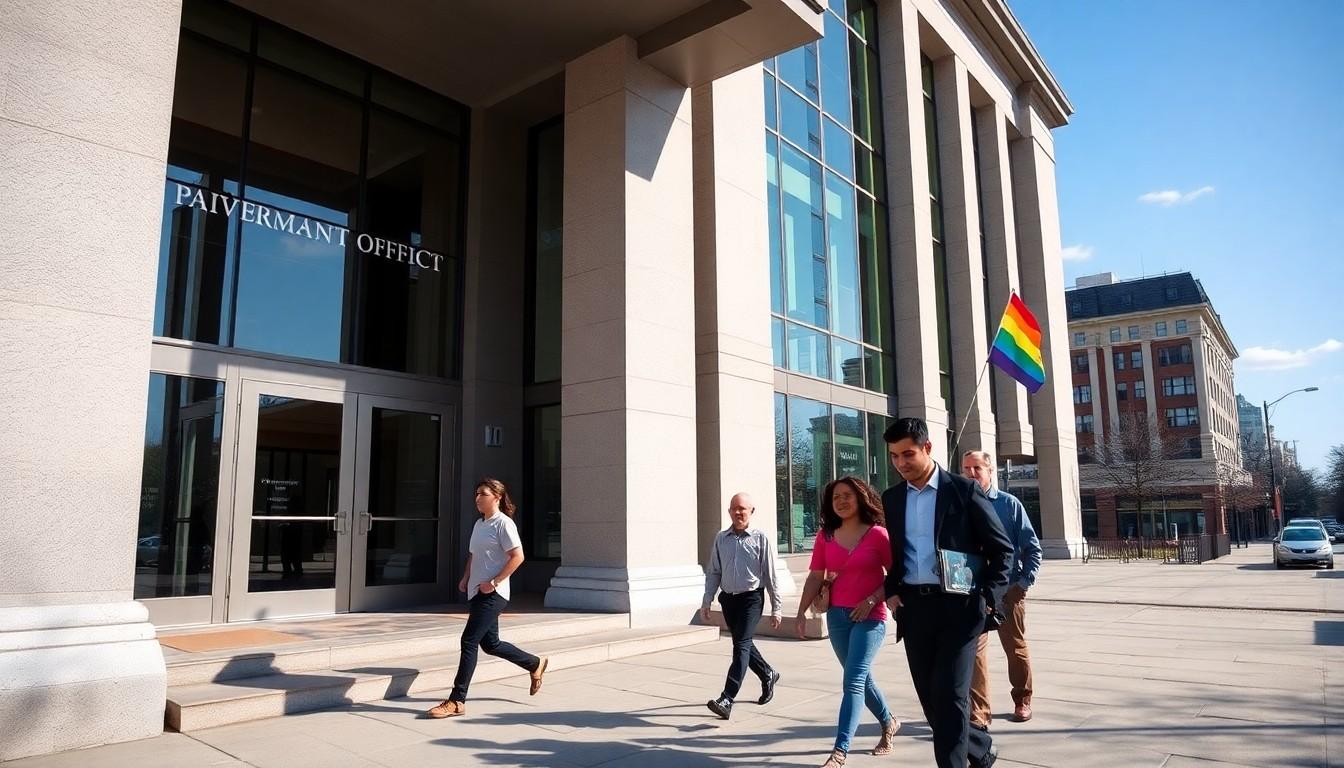
A specialist option on the US 988 Suicide and Crisis Lifeline could return by the end of September, after Senator Tammy Baldwin said the Trump administration had committed to restoring Press 3 for LGBTQ+ young people. The service matters because it offered direct, tailored support to a group facing sharply higher suicide risk.
Essential Takeaways
- Press 3 could return soon: Officials told Senator Baldwin a contract has been awarded, with an announcement expected before 30 September.
- The service has been unavailable for months: The LGBTQ+ youth option was cancelled more than a year ago.
- Demand was significant: Before its closure, Press 3 handled around 10% of all 988 contacts and 19% of text contacts.
- Specialist support matters: LGBTQ+ young people are reported to be more than four times as likely to attempt suicide as their peers.
- The wider 988 network remains active: Federal agencies continue funding and administering the national crisis lifeline.
A promised return for LGBTQ+ callers
The most important detail is simple: Press 3 may finally be coming back. During a Senate Health, Education, Labor and Pensions Committee hearing, Senator Tammy Baldwin said nominees for senior Health and Human Services roles confirmed that a contract had been awarded to restore the service.
The expected timetable is tight, with the administration pointing to an announcement before the end of the US fiscal year on 30 September. That offers a degree of hope, but it also underlines how long users have been left without a dedicated route. The Guardian previously reported on the controversy surrounding the administration's decision to remove the LGBTQ+ option.
For someone in crisis, a year is not an administrative footnote. It's an uncomfortably long wait for a service designed to make reaching help feel safer and more immediate.
Why the dedicated option matters
The 988 Lifeline is intended to provide free, confidential crisis support through phone calls, texts and online chat. Its Press 3 pathway was created for LGBTQ+ young people seeking advisers with relevant experience and understanding.
That tailored approach can matter when a caller is worried about rejection, family conflict, bullying or discrimination. Illinois officials also pushed the administration to restore the service, according to the Chicago Sun-Times, showing that concern has extended beyond Washington and into state-level politics.
The numbers help explain the frustration. Before the option was withdrawn, Press 3 reportedly accounted for about one in ten 988 contacts overall, including nearly one in five text conversations. Those figures suggest it wasn't a niche feature quietly sitting unused.
What happened to the 988 service?
The specialist route was cancelled more than 13 months before Baldwin's latest update, despite bipartisan legislation requiring its return. Baldwin said the administration had been slow to act on that mandate, while nominees told senators that the restoration contract was now in place.
The dispute sits within a much bigger debate over the direction of US mental health policy. Federal agencies have continued to announce substantial funding for the 988 network, including grants intended to support suicide prevention and behavioural health services.
That broader investment is important, but it doesn't automatically solve the practical question callers face: will the right person answer when they reach out? A national helpline is only as useful as its access, staffing and ability to meet people where they are.
What callers should know in the meantime
Anyone in the US who is experiencing suicidal thoughts or an emotional crisis can still call or text 988, or use the online chat service. The federal 988 information page lists the available contact routes and explains how the system works.
Until Press 3 is formally relaunched, LGBTQ+ callers can still contact 988 directly and ask for support that feels appropriate to their situation. If there's immediate danger, callers should contact emergency services rather than waiting for a crisis line to respond.
It also helps to remember that a person doesn't need to wait until they're at breaking point to seek support. A quiet text, a difficult conversation or simply saying, "I'm not feeling safe," can be enough to begin.
A small button with a big responsibility
The promised restoration is welcome, but the next test will be delivery. The administration will need to communicate clearly, ensure advisers are properly prepared and make sure the service is genuinely easy to find.
The federal government has continued funding work around 988, with HHS and SAMHSA announcements outlining major financial support for the wider network. Yet for LGBTQ+ young people, the return of a dedicated route will be judged less by the size of the press release than by whether it feels calm, respectful and reliable at the moment it is needed.
For families, schools and youth organisations, the practical message is to keep 988 on the list of crisis resources while watching for the official relaunch details. In a crisis, a clear route to help can make all the difference.
Press 3's return could restore an important, focused doorway into crisis support.
Source Reference Map
Story idea inspired by: [1]
Sources by paragraph: