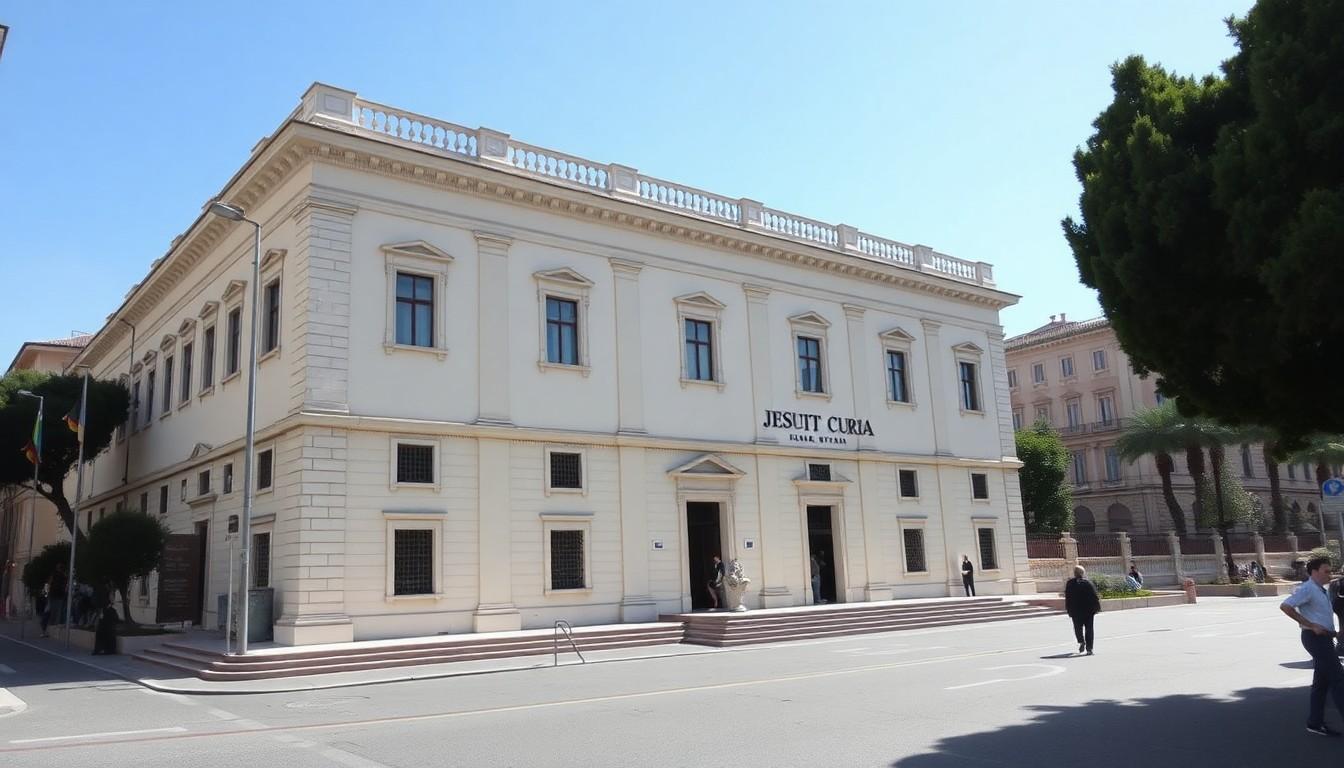
Pastoral workers and bishops gathered in Rome for Italy’s first national conference on LGBTQ+ Catholic ministry, sharing practical examples from dioceses, youth groups and lay movements. The meeting matters because it placed listening, participation and everyday parish life at the centre of a conversation that has too often treated LGBTQ+ Catholics as a problem to manage.
Essential Takeaways
- A landmark gathering: Nearly 200 pastoral workers and 10 bishops attended the Rome conference.
- Real parish experience: Dioceses shared existing work with LGBTQ+ people and their families, rather than discussing them as abstract cases.
- Listening comes first: Several initiatives began with personal encounters, family conversations and parish relationships.
- Inclusion is widening: Catholic scouts, student groups and lay movements are examining participation, leadership and formation.
- The central hope: Ministry should happen with LGBTQ+ people, not simply for them.
A Rome meeting with a distinctly practical purpose
The strongest impression from Italy’s first national conference on LGBTQ+ Catholic pastoral ministry was its grounded, human scale. Nearly 200 pastoral workers and 10 bishops met at the Jesuit Curia near Vatican City, not to produce another distant statement, but to compare what is already happening in parishes and dioceses.
That shift matters. According to New Ways Ministry, the gathering focused on experiences from Florence, Bari-Bitonto, Cremona and Chiavari, where LGBTQ+ ministry has become part of ordinary church life. The atmosphere described was less about theory and more about the quiet work of listening, accompanying families and making space for people who have often felt forced to hide.
The work began with people, not paperwork
Across the presentations, a familiar pattern emerged. Many initiatives started when priests, pastoral workers or parish volunteers encountered LGBTQ+ Catholics who had grown up in the Church, joined its groups and served their communities, yet kept part of their lives private for fear of rejection.
According to the conference reports, those personal encounters gradually led to listening services, training sessions and diocesan teams. Cremona’s work, for example, helped inspire a 2023 regional document on pastoral ministry with LGBTIQ people and their families, while Bari-Bitonto established a coordination group centred on listening and formation.
It’s a useful reminder that institutional change often starts in surprisingly ordinary places: a family conversation, a pastoral meeting or a parishioner finally feeling safe enough to speak openly.
Four dioceses, four routes towards inclusion
The dioceses represented in Rome didn't follow one identical model. Chiavari folded LGBTQ+ accompaniment into family ministry, organising its approach around the broad stages of life: birth, growth, love and loss. Its family pastoral office has also publicly acknowledged the harm caused by discrimination, exclusion and silence.
Florence placed listening, prayer and community initiatives at the heart of its work. Bishop Gherardo Gambelli also highlighted the relief parents can feel when they understand that their gay or transgender children haven't been cast outside the Church. The example is emotionally straightforward, but that's precisely its power: families often need reassurance before they need a programme.
Related reporting from The Pink Times and Outreach Faith described the Rome meeting as a significant moment for a national conversation that has often developed in scattered pockets. Bringing those experiences together gives pastoral workers something practical to share, rather than leaving each diocese to start from scratch.
Catholic groups are changing the conversation too
The afternoon session widened the lens beyond diocesan offices. Representatives from AGESCI, Italy’s Catholic Scouts, Catholic Action, the Italian Federation of University Students, the Christian Life Community and the Focolare Movement discussed how LGBTQ+ people are participating in their organisations.
That is an important test of progress. Welcome isn't only about attending Mass or receiving pastoral care; it also involves serving, leading, learning and helping shape a community. Conference coverage noted that AGESCI has approved a national document stating that sexual or affective orientation and gender identity shouldn't be grounds for exclusion from educational roles.
ANSA has also reported on a wider Italian pattern of Catholic initiatives addressing homophobia and transphobia, including more than 60 prayer vigils held in May. Taken together, these developments suggest that the debate is moving from whether LGBTQ+ people belong towards how church communities can support their full participation.
Why the word "with" matters
The conference ended with regional discussion groups, allowing pastoral workers to compare experiences that had often grown in isolation. The final conversation returned to one small but meaningful distinction: the hope for ministry not simply for LGBTQ+ people, but with them.
That preposition carries a lot of weight. It suggests shared responsibility, mutual learning and a move away from treating LGBTQ+ Catholics as recipients of care alone. As Urania Institute and New Ways Ministry have noted in related coverage, the conference also reflected how encounters with LGBTQ+ people have changed some Catholic leaders' pastoral outlook.
For many families, the change may feel less like a dramatic announcement and more like a door opening slowly. But in church life, a door that stays open can be a powerful beginning.
The future of LGBTQ+ Catholic ministry may depend less on grand slogans than on whether welcome becomes ordinary parish practice.
Source Reference Map
Story idea inspired by: [1]
Sources by paragraph: