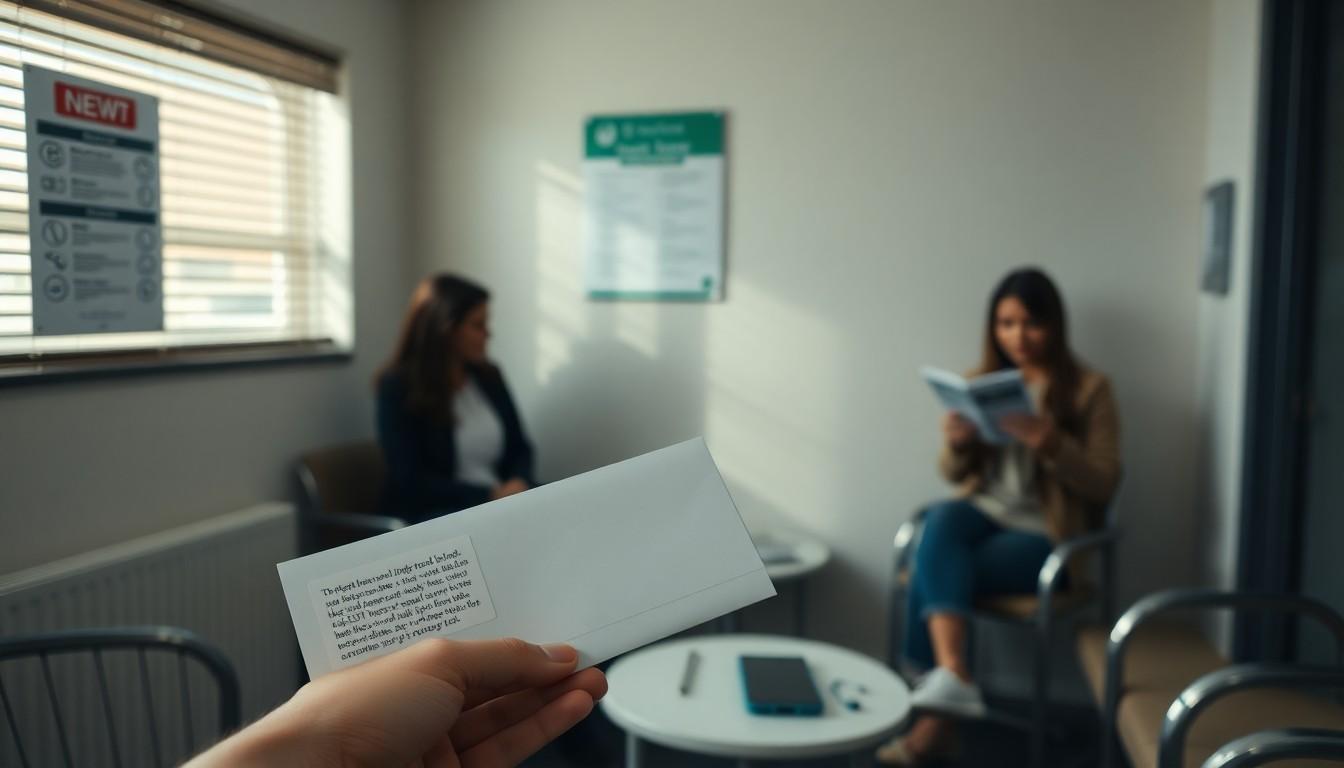
People navigating coming out and herpes disclosure may feel pulled between privacy, honesty and fear of rejection. These conversations don't have to happen together, or all at once. With accurate sexual-health information, a calm setting and supportive people around you, it's possible to protect your boundaries while building open, respectful relationships.
Essential Takeaways
- Separate the conversations: Coming out about identity and disclosing herpes are different personal decisions.
- Protect your privacy: You don't need to tell everyone, but sexual partners need relevant information before sexual activity.
- Prepare with facts: Understanding transmission, symptoms and prevention can make disclosure feel less daunting.
- Expect different reactions: A partner may need time, ask questions or respond positively straight away.
- Keep your identity intact: Herpes is a health condition, not a definition of your sexuality, gender or worth.
Coming out and herpes disclosure aren't the same thing
The emotional overlap is real, particularly when both conversations involve the possibility of rejection. But they serve different purposes. Coming out is about sharing an aspect of identity with people you choose, while herpes disclosure is a sexual-health conversation that matters most when another person could be affected.
That distinction can take some pressure off. You don't have to reveal every private detail in one dramatic heart-to-heart, and you don't need to make one conversation carry the weight of the other. Sexual-health organisations note that emotional distress after an herpes diagnosis often comes from stigma and misinformation as much as from the condition itself. [3]
For some people, the sensible route is to speak first with a trusted friend about identity, then discuss herpes separately with a romantic partner. Others may prefer to explain both at once. There isn't a single correct script, only an approach that feels safe and honest.
Your diagnosis is not your identity
Herpes can occupy far too much mental space after diagnosis. Shame, anxiety and worries about dating are common, but they don't tell the whole story. People with herpes continue to date, fall in love, have sex, marry and build fulfilling lives. [2]
It may help to think of the diagnosis as one piece of health information rather than a verdict on your character. You're still the same person with the same humour, ambitions, friendships and preferences. Your nosey inner critic may insist otherwise, but it isn't a medical authority.
That mindset matters particularly for LGBTQ+ people, who may already be managing questions about acceptance, family expectations and visibility. Being LGBTQ+ and living with herpes are separate parts of life, and neither makes someone less deserving of care or respect. [4]
How to tell a new partner without making it a courtroom
Timing matters. Have the conversation before sexual activity where transmission could be possible, rather than waiting until the last minute or after intimacy has begun. Choose somewhere private and unhurried, not the middle of an argument or a rushed moment at the end of an evening. [4]
A straightforward opening might be: "I like where this is going, so I want to share something about my sexual health before we become intimate." From there, explain the diagnosis in plain language and be ready to discuss protection, outbreaks, testing and any medical advice you've received.
You don't need to deliver a lecture or apologise for existing. A partner may ask questions, pause to think or decide they aren't comfortable. That response can hurt, but it isn't proof that you've done anything wrong. Confidence often grows when people practise the conversation with a trusted friend or write down the key points beforehand. [5]
Facts can quieten the fear
Online herpes information ranges from useful to wildly alarming, so choose sources carefully. Focus on practical facts about transmission, symptoms, treatment and risk reduction, and be wary of absolute promises or scare stories.
Reliable information won't guarantee a particular reaction, but it can help you answer reasonable questions without becoming overwhelmed. It also separates genuine consent from stigma. A potential partner deserves enough information to make an informed decision, while you deserve a conversation free from insults or humiliating assumptions.
If you're unsure about your diagnosis or what precautions apply to you, speak with a qualified clinician or sexual-health service. Advice can vary depending on the type of herpes, symptoms, treatment and the circumstances of the relationship.
Support makes the next conversation easier
Disclosure can leave you feeling relieved, exposed, anxious or all three before breakfast. Give yourself time afterwards rather than judging every emotion. One difficult response doesn't predict what will happen in future relationships.
Support groups and moderated online communities can offer a useful place to hear from people who understand the awkward pauses, the overthinking and the relief when a conversation goes well. Peer support can be especially valuable when friends or family don't have much knowledge about herpes. [6]
Over time, the conversation often becomes less frightening because it becomes familiar. The aim isn't to make herpes the centre of your dating life. It's to make honest communication one part of a relationship built on trust, boundaries and mutual respect.
Take things one conversation at a time, and let accurate information lead the way.
Source Reference Map
Story idea inspired by: [1]
Sources by paragraph: