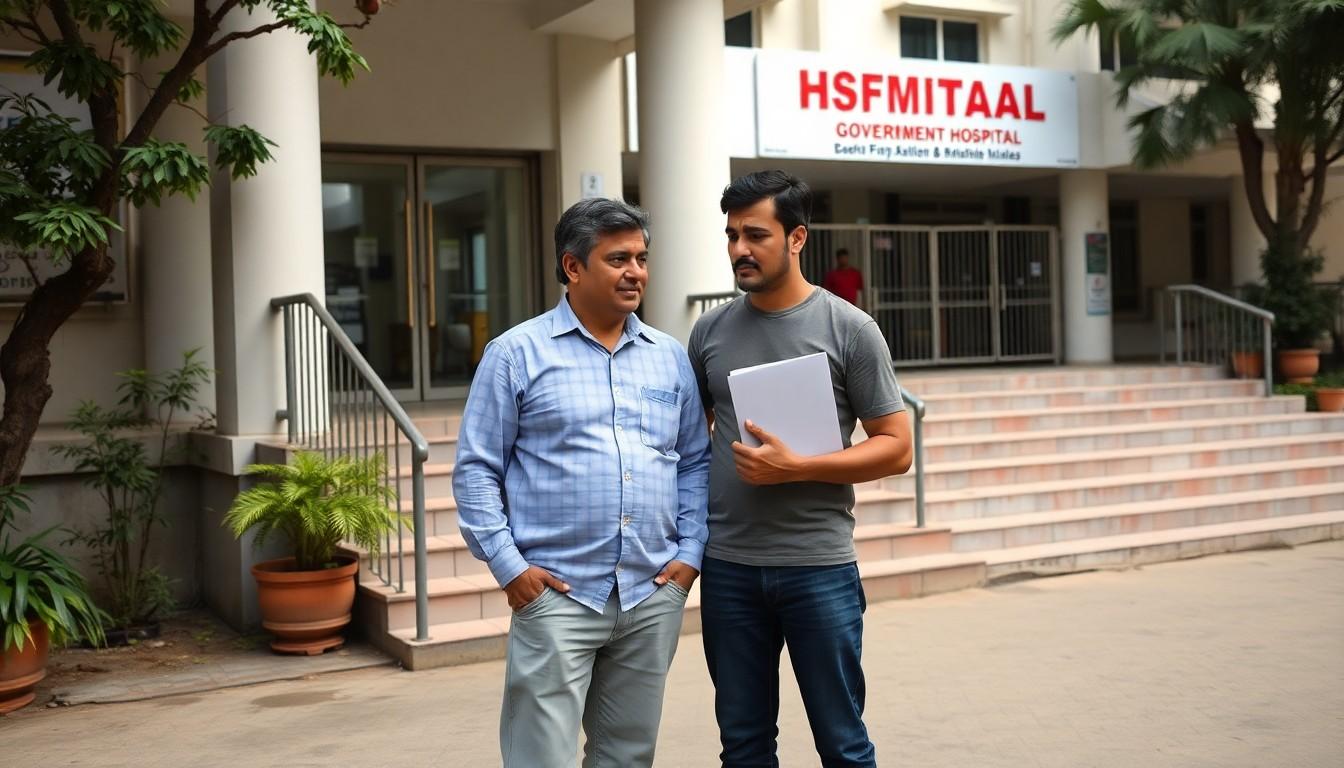
A woman married to her partner in New Zealand has asked the Delhi High Court to recognise same-sex partners as medical representatives in India, highlighting the urgent decisions that can arise when family members are far away. The Centre's support could mark a meaningful step towards equal treatment in healthcare emergencies.
Essential Takeaways
- The case: A woman married her partner in New Zealand in 2023 and is seeking recognition in India.
- The practical concern: Same-sex partners may currently struggle to consent to treatment or make urgent medical decisions for one another.
- The Centre's position: The government has backed the plea before the Delhi High Court.
- The wider issue: The challenge questions whether existing medical rules unfairly favour heterosexual couples and traditional family structures.
- Why it matters: In a crisis, being beside a partner may not be enough if the law doesn't recognise your authority.
A hospital emergency can expose a legal gap
When someone is rushed into hospital, the most important person in the room may be the one who knows their wishes best. Yet for same-sex couples, that person may not always be recognised as the appropriate medical representative, even when the couple has built a shared life together.
The Delhi High Court is considering a plea filed by a woman who married her partner in New Zealand in 2023. She says the absence of clear recognition leaves them vulnerable during emergencies, particularly because close relatives live in other states or abroad. The Indian Express reported that the Centre has supported the plea. [4]
That is a strikingly ordinary problem with potentially serious consequences. A partner can be physically present, emotionally central and fully informed, but still face uncertainty when consent or treatment decisions are needed.
What the petition is asking for
The plea seeks recognition of same-sex partners as medical representatives for one another. In simple terms, that could allow a partner to participate in decisions about treatment when the other person cannot speak or consent for themselves.
The argument focuses on existing medical regulations, which refer to consent from a husband or wife, a parent or guardian for a minor, or the patient themselves. The petition says this wording effectively leaves same-sex partners outside a system that heterosexual spouses can use. The Times of India reported that the High Court questioned the Centre over its response to the matter. [2]
For couples living far from their birth families, the consequences can feel especially stark. A hospital corridor isn't the place to discover that the person you trust most has no clear legal standing.
Why the Centre's support matters
The Centre's backing doesn't automatically change the rules, but it gives the case important momentum. It also shifts the discussion from whether same-sex partners should be heard at all to how medical recognition might work in practice.
Outlook India reported that the Delhi High Court questioned the government's silence before the Centre's position emerged. [3] That judicial attention matters because the dispute sits at the intersection of healthcare, privacy, equality and personal dignity.
The plea also invokes constitutional protections, including equality and the rights to life, liberty and expression. Its broader claim is that medical decision-making should reflect the constitutional understanding of dignity and individual choice, rather than rely solely on conventional family categories.
The wider question for hospitals and couples
Medical representation is more than a label on a form. It can involve treatment consent, access to information and the ability to communicate a patient's wishes when minutes matter. Without clear guidance, hospitals may default to relatives who are formally recognised, even if they know little about the patient's preferences.
Medical Dialogues reported that the Delhi High Court's proceedings involve questions about whether non-heterosexual partners can be recognised as one another's medical representatives, including the role of medical authorities. [6] That points to a practical challenge: any change would need to be clear enough for doctors, administrators and patients to use without hesitation.
For couples, it may also underline the value of keeping written healthcare wishes, emergency contacts and authorisation documents up to date. Those measures cannot replace legal recognition, but they can reduce confusion while the rules are being debated.
A potentially important step towards equal care
The case doesn't by itself settle the broader question of marriage recognition for same-sex couples in India. It addresses a narrower, intensely practical issue: who should be able to stand beside a partner when a medical decision cannot wait.
LiveLaw reported that the Centre supported the request concerning same-sex partners and medical representation during health emergencies. [7] That support could help the court examine whether existing regulations need a more inclusive interpretation or formal amendment.
For many couples, the hoped-for outcome is not special treatment. It's the ability to care for one another in the most basic sense, without a legal technicality turning a frightening day into an impossible one.
Clear rules could make medical care fairer, calmer and more humane for everyone.
Source Reference Map
Story idea inspired by: [1]
Sources by paragraph: