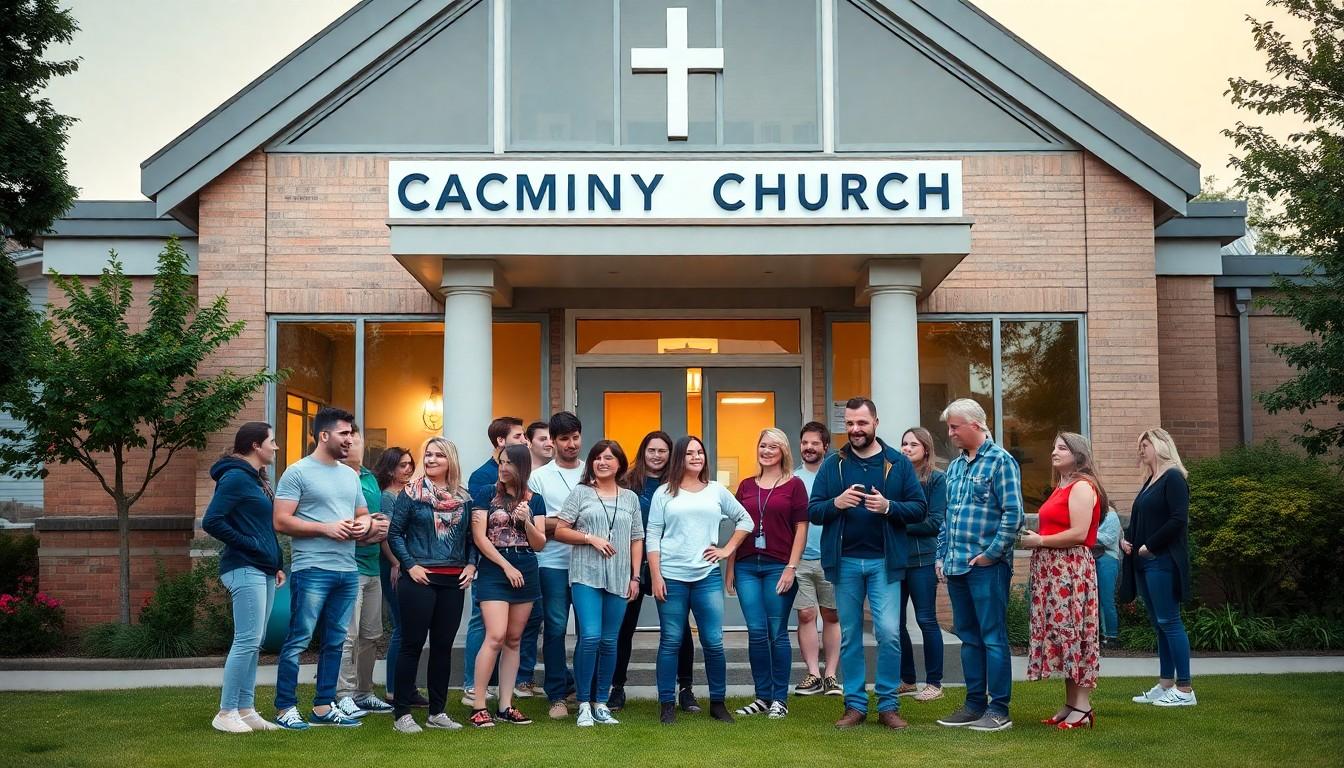
Churches are rethinking LGBTQIA+ youth ministry as more than pastoral care. From affirming worship and trusted adults to community partnerships and youth-led leadership, congregations are finding practical ways to make belonging visible, meaningful and safe.
Essential Takeaways
- Affirmation matters: Clear, positive messages can help young people recognise that they’re genuinely welcome.
- One trusted adult helps: The Trevor Project links supportive adults with a lower risk of suicide attempts among LGBTQIA+ youth.
- Youth should lead, too: Congregations can learn from young people rather than treating them only as recipients of care.
- Partnerships add strength: Churches can work with local youth groups, shelters, Pride organisers and LGBTQIA+ networks.
- Small steps count: Training, inclusive language and consistent follow-through can turn good intentions into daily practice.
Belonging has to be visible
A rainbow flag by the entrance is a start, but it isn't the whole welcome. For LGBTQIA+ youth, belonging is built through the small details that reveal whether a congregation's warmth is real: the language used in worship, the assumptions made in youth groups and the response when someone shares their identity.
The Trevor Project's research says LGBTQIA+ young people who have at least one accepting adult are 40% less likely to report a suicide attempt. That makes affirmation more than a slogan. It becomes a practical part of safeguarding and pastoral care, especially for young people navigating rejection, bullying or hostile public debate.
A church doesn't need a perfect programme on day one. It does need to be unmistakably clear about its values, then make sure its policies and behaviour match.
Trusted adults can change the picture
Support often begins with one calm, dependable person. That might be a youth leader who uses a young person's chosen name, a minister who responds without judgement or a volunteer who knows where to find specialist help.
The wider environment matters, too. Research gathered by The Trevor Project connects acceptance with improved wellbeing, while wider fact-checking and mental-health evidence have challenged claims that gender affirmation harms young people. The message for congregations is straightforward: listening and respect aren't risky extras, they're part of responsible care.
Confidentiality still needs thought. Adults should explain when information may have to be shared for safety, avoid promising secrecy they can't keep and know how to refer a young person to qualified support. Kindness works best when it's backed by competence.
Let young people shape the ministry
A congregation can create an LGBTQIA+ youth group, but the most effective version won't be designed entirely from the adult side of the room. Young people can say which discussions feel useful, which traditions need a rethink and what safety looks like in practice.
The United Church of Christ's wider ministries and Presbyterian resources both point towards active, affirming support rather than passive welcome. Meanwhile, diocesan youth initiatives show how faith communities are creating dedicated spaces where young people can talk, build friendships and explore belief without having to defend their identity first.
That shift is important. LGBTQIA+ youth aren't simply people to protect; they're also thoughtful leaders with insight into their churches. Give them genuine influence, and the ministry becomes more credible, more creative and far less likely to feel like an adult project wearing a colourful badge.
Churches don't have to work alone
Partnerships can turn a small congregation's good intentions into useful support. Local LGBTQIA+ youth organisations, PFLAG groups, student networks, affirming shelters and community centres may already offer training, counselling referrals or social activities.
The Lighthouse in Florida, for example, illustrates the role specialist community organisations can play in supporting vulnerable young people outside formal worship settings. Churches can contribute volunteers, meeting space, funding or practical help, rather than trying to recreate every service themselves.
This is also where churches can make their welcome less inward-looking. A Pride event, youth drop-in centre or local support network may reveal needs that aren't visible on Sunday morning. Sometimes the most faithful move is simply to ask, "Who is already doing this well, and how can we help?"
Faith, history and hope belong in the room
Affirming ministry doesn't have to sit apart from theology. Churches can draw on the language of human dignity, divine love and solidarity with people who face exclusion, while helping young people discover LGBTQIA+ figures within religious and social history.
That historical thread matters. Without it, a young person may feel as though they're inventing a life alone. Learning about queer and trans people who have shaped churches, movements and communities can offer a richer sense of inheritance, even when those stories include struggle.
The outlook is encouraging, but it requires more than a statement on a website. As Presbyterian Church resources have highlighted, congregations are continuing to strengthen ministry with LGBTQIA+ youth. The most convincing welcome will be the one young people can feel in the room, week after week.
Start small, listen carefully and make belonging unmistakable.
Source Reference Map
Story idea inspired by: [1]
Sources by paragraph: