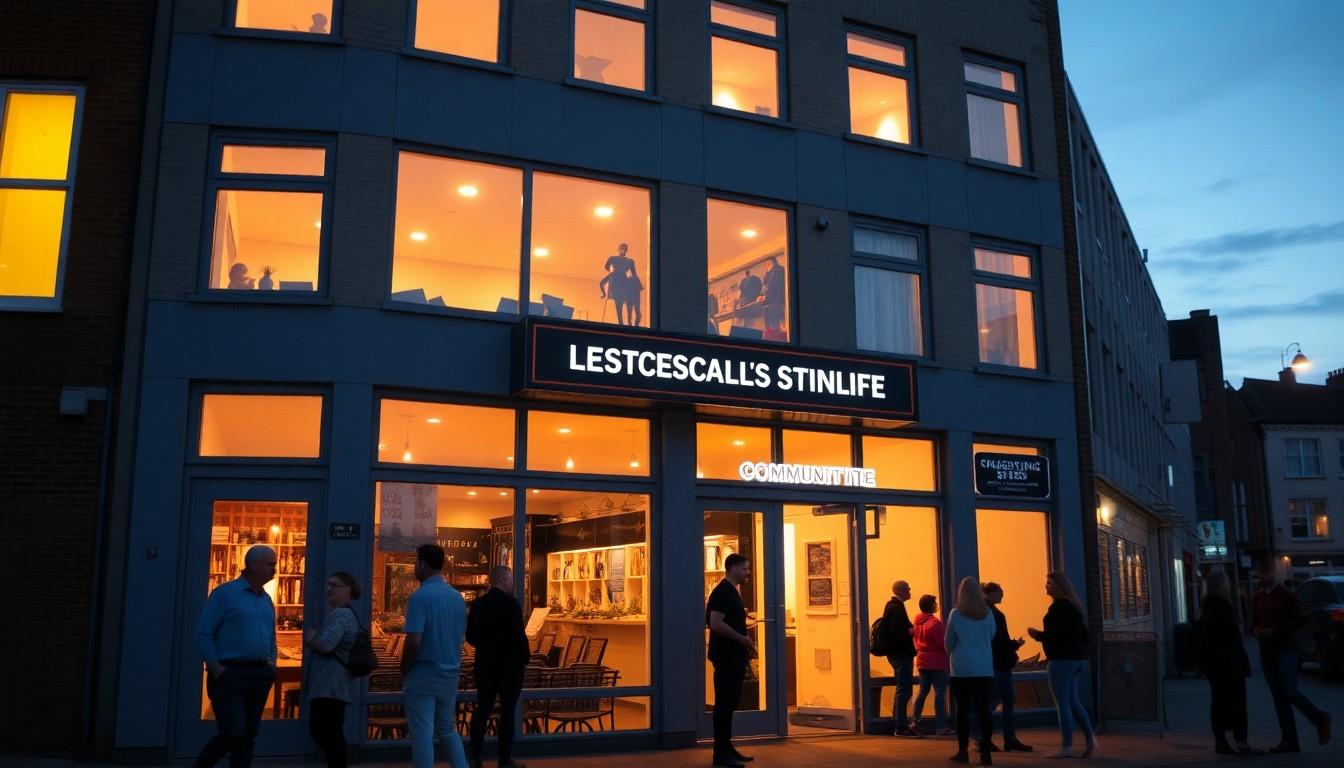
Brighton’s LGBTQ+ venues are calling for urgent support after a string of closures reshaped the city’s queer nightlife. A new five-point plan aims to improve safety, licensing, promotion and long-term investment, helping Brighton remain a welcoming destination for residents, visitors and the businesses that keep its night-time culture alive.
Essential Takeaways
- Five priorities: The plan focuses on recognition, safety, promotion, licensing and a long-term nightlife strategy.
- A shrinking scene: Five established LGBTQ+ venues have closed in recent years, leaving gaps in Brighton’s once-thriving queer circuit.
- Year-round focus: Supporters want LGBTQ+ Brighton promoted beyond the busy Pride season.
- Safer nights out: Night Safety Marshals, better lighting and improved CCTV are among the proposed measures.
- More than entertainment: Operators describe queer venues as community hubs, safe spaces and important local employers.
Brighton’s queer nightlife is at a turning point
There’s a familiar energy to Brighton after dark: glitter under streetlights, music spilling from doorways and strangers greeting one another like old friends. But behind that colourful image, the city’s LGBTQ+ nightlife is facing a serious squeeze.
Five well-known venues have closed in recent years, including Velvet Jacks and Le Village, followed by The Queery, R-Bar and Charles Street Tap. The losses have reduced the number of dedicated queer spaces, while many have not been replaced by new LGBTQ+ operators.
The campaign was developed by a coalition of 12 businesses and supporters, according to Attitude. Its message is straightforward: Brighton’s queer nightlife needs active protection rather than nostalgic applause.
Five priorities set out a practical rescue plan
The proposed action plan begins with formal recognition and investment in Brighton’s LGBTQ+ Quarter. Supporters want the area to be more visible, better connected and treated as a central part of the city’s cultural and economic identity.
Safety is another major concern. The proposals include stronger policing, better CCTV, night-time welfare provision and more effective responses to hate crime, drugs and antisocial behaviour. Brighton & Hove City Council has also committed to restoring eight Night Safety Marshals, as well as reviewing lighting and surveillance.
The plan also calls for a more supportive licensing environment. That could make it easier for responsible LGBTQ+ operators to stay open, adapt their businesses or launch new venues, rather than facing a maze of costs and restrictions at a time when hospitality is already under pressure.
Why year-round promotion matters
Brighton’s LGBTQ+ identity is often showcased most visibly around Pride, when the city fills with visitors, colour and celebration. The coalition argues that this attention needs to continue throughout the year, supporting venues during quieter months as well as peak summer weekends.
That means promoting LGBTQ+ Brighton as a permanent part of the visitor economy, not simply a seasonal headline. A long-term strategy would also cover transport, accommodation, winter tourism and the resilience of venues operating between 6pm and 6am.
The need for a broader approach is clear. Reports about the closures of Le Village and The Queery highlighted the financial and operational pressures facing established queer businesses, while the loss of R-Bar and Charles Street Tap showed how quickly a familiar nightlife landscape can change.
What safer, stronger venues could look like
For customers, the proposals are refreshingly practical. Better lighting on routes home, visible safety staff, reliable late-night transport and clearer support when something goes wrong can make the difference between a relaxed evening and an anxious one.
Venue owners also need breathing room. Supportive licensing, sensible planning decisions and access to advice could help businesses manage rising costs while maintaining welcoming spaces. The right approach shouldn't mean lowering standards; it should make it easier for responsible operators to meet them.
The plan's supporters include The Birdcage, whose managing director Sean Pettit-Scheepers said LGBTQ+ venues should be safe, welcoming places where people can connect and feel they belong. That point matters because the value of these venues isn't measured only in drinks sold or tickets scanned.
Brighton’s LGBTQ+ venues are community infrastructure
Chris Ward, MP for Brighton Kemptown and Peacehaven, described queer nightlife as part of “the fabric of our city”, according to Attitude. He said venues are businesses and employers, but also safe spaces and community hubs that help define Brighton for residents and visitors alike.
That wider role is easy to overlook when a venue closes. A bar may look like one more hospitality business on a balance sheet, yet for many people it can be the place where they meet friends, find confidence or enjoy a night out without explaining themselves.
The council’s involvement offers some reason for optimism, but delivery will be crucial. Brighton doesn't need another warm statement about being welcoming; it needs visible improvements that operators and customers can feel on an ordinary Tuesday night, not only during Pride.
The next test is keeping the plan moving
The five priorities provide a useful framework, but rebuilding Brighton’s LGBTQ+ nightlife will take steady cooperation between venues, residents, police, licensing teams and elected representatives. New operators also need confidence that the city wants them to succeed.
For visitors planning a queer night out in Brighton, supporting existing venues is one small but meaningful contribution. Check opening times, book ahead where possible and explore beyond the busiest weekends. A lively scene survives through regular custom, not just fond memories.
Brighton’s colourful reputation was built by people who made space for one another. Protecting that spirit now will require investment, patience and a little less assumption that it will look after itself.
Support the venues that make Brighton feel like Brighton.
Source Reference Map
Story idea inspired by: [1]
Sources by paragraph:
- Paragraph 1: [2], [3]
- Paragraph 2: [4], [5]
- Paragraph 3: [6], [7]
- Paragraph 4: [2], [4]
- Paragraph 5: [3], [5]
- Paragraph 6: [2], [6]
- Paragraph 7: [4], [7]
- Paragraph 8: [2], [3]
- Paragraph 9: [5], [6]
- Paragraph 10: [2], [4]
- Paragraph 11: [3], [7]
- Paragraph 12: [5], [6]
- Paragraph 13: [2], [3]
- Paragraph 14: [4], [7]
- Paragraph 15: [2], [5]
- Paragraph 16: [3], [6]