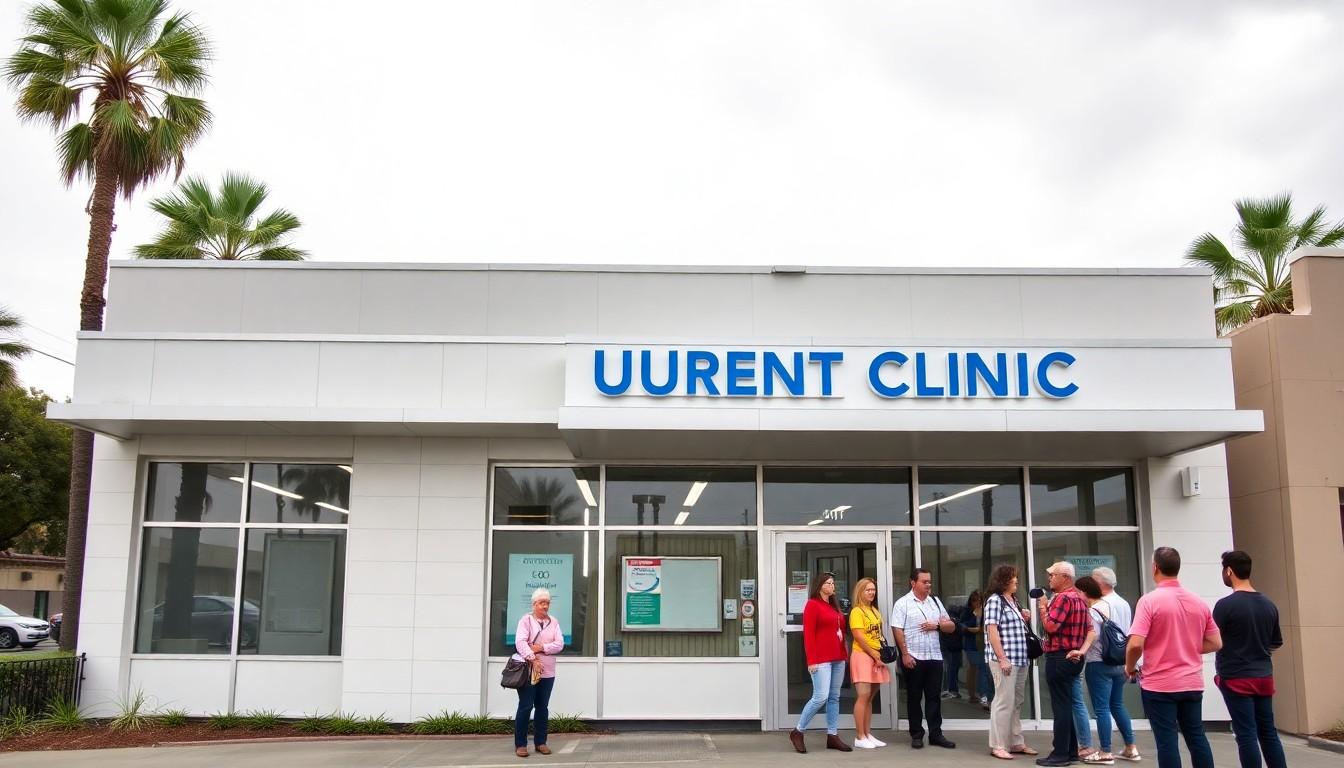
People seeking STD testing in Los Angeles are increasingly turning to urgent care for quicker appointments, discreet consultations and straightforward treatment. Knowing when infections become detectable, what samples may be collected and how payment affects privacy can make a stressful visit feel far more manageable.
Essential Takeaways
- Urgent care can be quicker: Walk-in clinics may offer same-day assessments outside standard GP hours.
- Timing affects accuracy: Some infections become detectable after days, while others need several weeks.
- Testing is usually simple: Depending on the concern, staff may request urine, blood or swab samples.
- Privacy needs checking: Insurance paperwork can reveal care to the policyholder, even when clinical records remain confidential.
- Treatment may follow quickly: Bacterial infections can often be treated with prescribed antibiotics after assessment.
Why urgent care is appealing for STD testing
When a sexual-health worry appears, waiting weeks for a routine appointment can feel like an especially poor use of time. Urgent care clinics bridge that gap, offering walk-in or short-notice visits, including evenings and weekends in many areas.
That convenience matters in Los Angeles, where long journeys and packed schedules can easily turn a simple health check into a postponed one. According to GoHealth Urgent Care, clinics commonly assess sexual-health concerns and can arrange testing based on symptoms, exposure and medical history.
There’s also a quieter benefit. A general waiting room doesn’t announce why anyone has arrived, which can make the experience feel less exposed. It’s not glamorous, but anonymity can be reassuring when nerves are already doing enough work.
The right testing window can change the result
A negative test isn’t always the final word if it’s taken too soon. Pathogens and antibodies need time to reach detectable levels, so the ideal testing date depends on the infection and the type of sample used.
Testing guidance from STDTest.com indicates that chlamydia and gonorrhoea are often detectable around one to two weeks after exposure, while some HIV and syphilis tests may require a longer interval. Herpes testing varies particularly widely, and a fresh sore may be swabbed sooner than blood antibodies can be identified.
Symptoms change the advice. Discharge, painful urination, sores, pelvic pain or unusual irritation should prompt medical attention rather than a wait-and-see approach. A clinician can decide whether immediate swabbing, treatment or repeat testing is appropriate.
What happens inside the clinic?
Most visits begin with registration and a private conversation about symptoms, recent exposure and relevant medical history. The clinician may recommend a single test or a broader panel, depending on what happened and which sites of the body may be involved.
Testing itself is usually less dramatic than people fear. It might involve urine, a blood draw or a swab, and the exact choice depends on the suspected infection. STDCheck notes that urine testing may require avoiding urination for a period beforehand, so it’s worth asking the clinic about preparation when booking.
Results vary by test. Some rapid HIV tests can provide an early result during the visit, while samples sent to a laboratory may return through a secure portal after a few days. AdventHealth Centra Care says urgent care services can evaluate symptoms, arrange testing and discuss treatment where clinically suitable.
Privacy is more than a locked medical record
Healthcare providers generally have duties under privacy rules, including HIPAA, to protect medical information. However, confidentiality and insurance visibility aren’t identical. If care is billed through another person’s policy, an Explanation of Benefits may be sent to the policyholder.
That’s an important consideration for anyone using a parent’s or partner’s insurance. Paying privately may offer greater control over financial records, although costs vary between clinics and tests. California also requires certain reportable infections to be notified to public-health authorities, so privacy doesn’t mean results are invisible to every official agency.
Before attending, ask three plain questions: who will receive billing paperwork, how results will be delivered and whether the clinic offers self-pay pricing. The answers can prevent an unpleasant surprise later.
How to prepare for a smoother appointment
Bring identification, a list of medicines and any details you remember about the possible exposure. You don’t need a perfectly rehearsed explanation, but dates, symptoms and the type of contact can help the clinician choose more useful tests.
If you’re having symptoms, avoid delaying care simply to reach a textbook testing window. If you have no symptoms and the exposure was recent, ask whether an initial test should be followed by another one later. Testing advice from STDTest.com emphasises that window periods differ, so a calendar reminder can be more useful than guesswork.
Most importantly, don’t feel embarrassed about asking for clarity. A good clinic should explain the test, likely timing and next steps without judgement. That calm, practical approach can make the whole process feel far less intimidating.
A little preparation can make private, prompt sexual-health care much easier to navigate.
Source Reference Map
Story idea inspired by: [1]
Sources by paragraph:
- Paragraph 1: [5], [6]
- Paragraph 2: [7], [6]
- Paragraph 3: [2], [3]
- Paragraph 4: [4], [2]
- Paragraph 5: [5], [6]
- Paragraph 6: [7], [5]
- Paragraph 7: [6], [7]
- Paragraph 8: [5], [2]
- Paragraph 9: [3], [4]
- Paragraph 10: [2], [3]
- Paragraph 11: [5], [7]
- Paragraph 12: [6], [7]
- Paragraph 13: [2], [3]
- Paragraph 14: [4], [5]