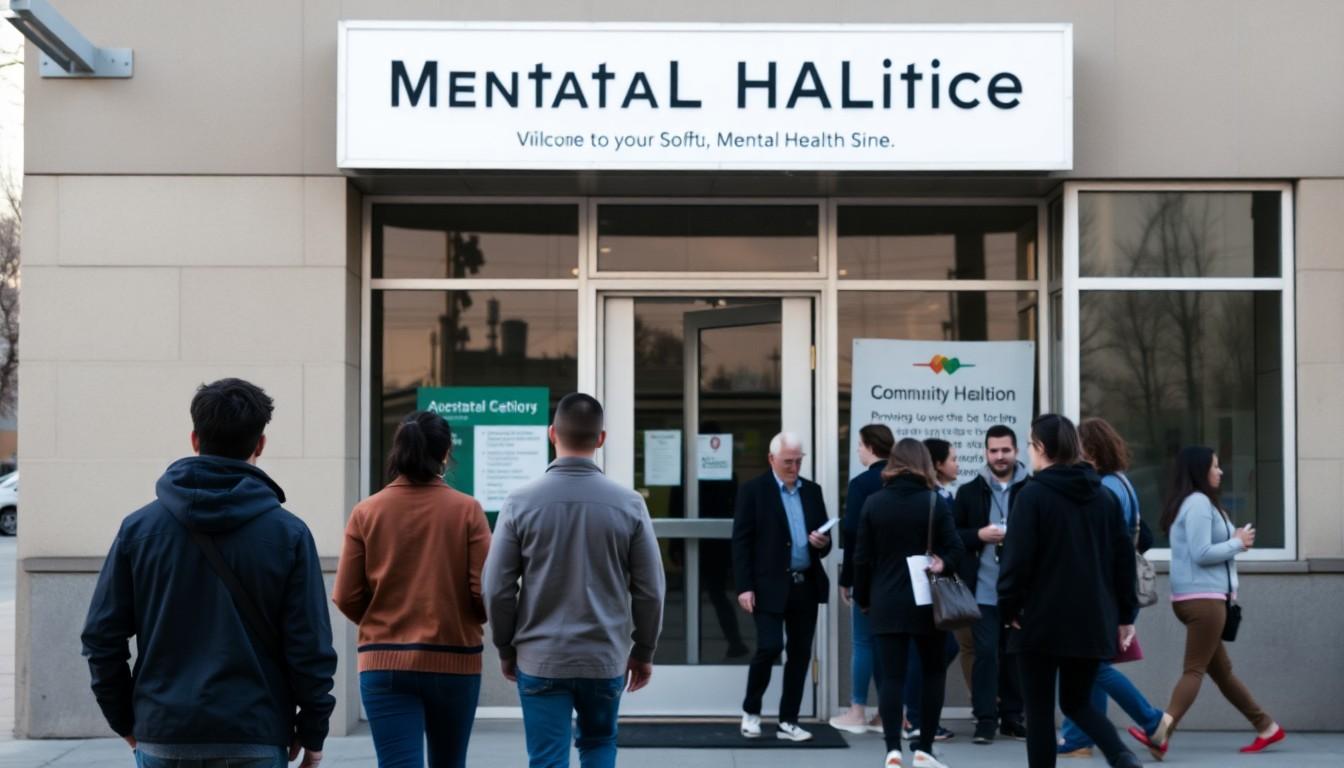
People seeking LGBTQ mental health support are looking beyond generic therapy for care that understands identity, discrimination and belonging. The right approach can help with depression, anxiety, trauma and substance use while making room for family dynamics, chosen community and personal goals.
Essential Takeaways
- Minority stress matters: Prejudice, rejection and discrimination can create lasting psychological strain.
- Affirming care is practical: Names, pronouns, paperwork and treatment goals should reflect the person in front of the clinician.
- Depression is common: LGBTQ populations report higher rates of depression and related mental health difficulties than non-LGBTQ groups.
- Community helps: Supportive friends, family and LGBTQ spaces can act as important protective factors.
- Ask direct questions: Check a provider's training, experience and approach before committing to treatment.
Mental health risks are shaped by the world around us
The clearest point is also the easiest to miss: LGBTQ mental health isn't about identity being a problem. It is about what can happen when identity meets hostility, uncertainty or repeated exclusion.
Research on minority stress links discrimination, concealment, rejection and everyday slights with higher risks of depression, anxiety and suicidal thinking. The effect can feel less like one dramatic event and more like carrying a heavy, invisible rucksack through ordinary life. Population-level research collected by Mental Health Statistics shows these disparities across several LGBTQ groups, although individual experiences vary widely.
That distinction matters. LGBTQ people aren't defined by poor mental health, and many lead joyful, settled and fulfilling lives. But when social pressure is constant, even resilient people can become exhausted. Good care recognises the pressure without reducing the person to it.
Why depression and anxiety need context
Depression may appear as low mood, withdrawal, hopelessness or a loss of interest in things that once felt easy. Anxiety can show up through worry, poor sleep, tension or a watchfulness that never quite switches off. For some LGBTQ people, these symptoms are connected to family rejection, workplace discrimination, bullying or fears about safety.
The American Psychological Association has highlighted how social conditions and access to supportive care influence LGBTQ mental health. That broader lens is useful because a treatment plan focused only on symptoms can miss the circumstances keeping them alive.
There can also be overlapping pressures. Someone may be dealing with racism alongside anti-LGBTQ prejudice, financial insecurity alongside family estrangement, or gender-related distress alongside an unsafe living situation. Research published in the National Library of Medicine describes how these intersecting experiences can compound psychological strain.
What genuinely affirming therapy looks like
An affirming therapist doesn't treat sexual orientation or gender identity as something to correct. Instead, they use the client's name and pronouns, ask open questions and allow the person to set meaningful treatment goals. It sounds basic, but those details can determine whether an appointment feels calm and respectful or painfully familiar.
Affirming care also means understanding LGBTQ-specific experiences, including coming out, gender dysphoria, conversion practices, identity-related trauma and chosen family. The therapist doesn't need to assume every issue is caused by identity, either. In fact, avoiding that assumption is part of competent care.
A useful provider should be able to explain their training in LGBTQ-affirming practice rather than relying on a vague claim to be welcoming. Professional guidance and clinical literature have increasingly emphasised cultural competence, inclusive assessment and attention to minority stress, rather than a one-size-fits-all model.
How to choose the right LGBTQ mental health support
Start with the practical details. Before booking, ask whether the clinician regularly works with LGBTQ clients, what conditions they treat and how they handle names, pronouns and relationship information on intake forms. If you're looking for help with trauma, depression, substance use or eating difficulties, check that the provider has relevant experience too.
The first session is also an informal test. Do you feel listened to, or are you having to explain basic aspects of your identity before discussing why you're there? Does the language feel natural and respectful? A slightly awkward moment can be repaired, but repeated dismissal is a strong reason to keep looking.
Online directories, LGBTQ community organisations and trusted local groups can provide useful leads. Reviews can help, although they rarely tell the whole story. A provider who understands the difference between being technically inclusive and genuinely affirming is usually a better fit.
Belonging can be part of the treatment plan
Therapy matters, but it isn't the only protective factor. Supportive friends, family members, peer groups, LGBTQ community centres and affirming faith communities can all provide the everyday reassurance that clinical appointments can't quite replicate.
Research indexed by PubMed has long connected social support with better mental health outcomes, while reviews in the National Library of Medicine have examined the protective role of family acceptance and community connection. For younger people in particular, even one reliable, accepting adult can make a profound difference.
That doesn't mean anyone should be pressured to return to an unsafe family environment. Chosen family can be just as emotionally significant, and online groups may be the safest option for people in isolated areas. The goal is connection that feels secure, not belonging at any cost.
The outlook is about more than reducing risk
The statistics are serious, but they shouldn't become the whole story. LGBTQ people also build friendships, families, careers and communities in ways that demonstrate creativity and resilience every day.
The strongest support combines skilled clinical care with practical safety, social connection and respect for self-determination. As awareness grows, the most useful question isn't simply whether a service is "LGBTQ-friendly". It's whether people can feel seen, safe and supported once they walk through the door.
Finding the right LGBTQ mental health support can make care feel safer, more relevant and more human.
Source Reference Map
Story idea inspired by: [1]
Sources by paragraph: