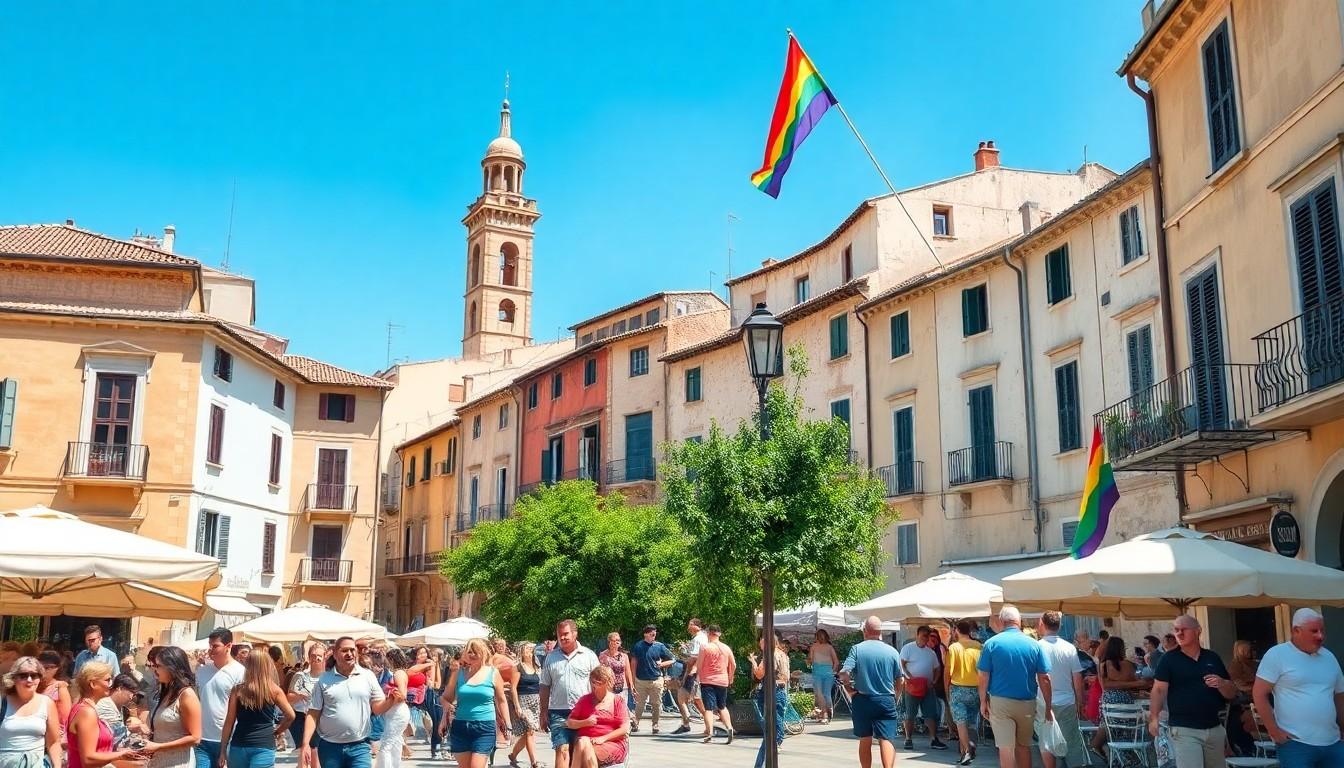
Travellers are choosing Puglia for its clear seas, whitewashed towns and relaxed LGBTQ+ atmosphere. From Gallipoli’s lively evenings to Ostuni’s olive-grove escapes, Italy’s heel offers a sunny mix of welcoming beaches, regional food and easy-going queer culture.
Essential Takeaways
- Gallipoli is the nightlife hub: Baia Verde and the old town form the region’s best-known LGBTQ+ holiday circuit.
- Ostuni suits slower breaks: The Valle d’Itria offers stylish stays, countryside views and an easy base for exploring.
- Naturist beaches are part of the appeal: Punta della Suina, Spiaggia d’Ayala and Torre Guaceto attract relaxed, mixed crowds.
- Local food is a major draw: Expect burrata, orecchiette, seafood, olive oil and grilled bombette.
- Summer heat is serious: Air conditioning, shade and plenty of water aren't optional in July and August.
Why LGBTQ+ travellers keep returning to Puglia
Puglia has the kind of appeal that's difficult to manufacture: brilliant blue water, pale stone villages and long evenings that seem to stretch naturally into dinner. The region has built a strong reputation as one of Italy's most welcoming destinations for LGBTQ+ visitors, without feeling like a resort designed around one particular crowd.
The appeal is especially clear in Salento, where beach days around Gallipoli can lead into busy bars and clubs after dark. Travel Gay and regional LGBTQ+ guides both highlight the area's mixture of beaches, nightlife and relaxed social spaces, making it a particularly easy choice for first-time visitors. [3]
Choose between Gallipoli energy and Ostuni calm
Gallipoli, sometimes nicknamed "Gaylipoli", is the obvious pick if you want your holiday to have a social pulse. Spend the afternoon around Baia Verde, then head into the old town for drinks, food and late-night venues. The atmosphere is informal, summery and pleasantly unbuttoned.
Ostuni offers a different rhythm. Set among the olive groves of the Valle d'Itria, it's well placed for day trips to Alberobello, Ceglie Messapica, Monopoli and the Adriatic coast. The area is also closely associated with queer cultural events, including the Sherocco LGBTQ Festival, according to regional travel coverage. [2]
Puglia's best LGBTQ+-friendly beaches
The coastline is the real star here. Puglia sits between the Adriatic and Ionian Seas, so the scenery shifts from rugged limestone cliffs and small coves to broad sandy stretches backed by dunes and pine trees. Some clothing-optional spots are especially popular with LGBTQ+ travellers, though they're generally open to everyone.
Punta della Suina near Gallipoli is a favourite for rocky bathing platforms and discreet coves. Spiaggia d'Ayala and Campomarino di Maruggio offer a more natural setting, while Torre Guaceto brings a wilder, protected-reserve feel. Puglia's gay beach guides note that access can involve a walk, so comfortable shoes and a beach bag you don't mind carrying are sensible additions. [7]
For something more polished, look for LGBTQ+-friendly beach clubs around the coast. Check current opening times before setting off, as seasonal venues can change their schedules, access arrangements or dress expectations. The best beach day is still the one where everyone feels comfortable, whether that means swimwear, a cover-up or nothing at all.
Sleep in a trullo, masseria or old-town apartment
Puglia's accommodation is part of the experience. Traditional masserie, converted farmhouses and trulli, the region's small stone dwellings with conical roofs, offer far more character than a standard chain hotel. Many sit among olive trees, where mornings are quiet apart from birds and the occasional clink of breakfast crockery.
Ostuni works well for travellers who want countryside atmosphere without giving up access to restaurants and nearby towns. Gallipoli is better for beach access and nightlife, while Bari and Lecce provide more urban energy. LGBTQ+ travel resources also recommend checking whether a property is genuinely welcoming and whether it has air conditioning, particularly for peak summer stays. [4]
Eat your way through the region
Puglia's food is simple in the best possible sense. Seasonal vegetables, excellent olive oil, fresh seafood and handmade pasta do most of the work, with little need for elaborate presentation. Burrata is the headline act, but orecchiette with cime di rapa, panzerotti and grilled bombette deserve equal attention.
Bari is a strong stop for inexpensive street food, while Cisternino and Ceglie Messapica are known for grilled meat and traditional cooking. In smaller towns, restaurants may keep limited hours or rely on bookings, so asking locally can save you from a disappointing late arrival. Regional guides consistently point to food as one of Puglia's biggest pleasures beyond the beach. [5]
Plan for heat, distance and late nights
Puglia looks compact on a map, but its coastline and scattered towns make a car useful, particularly if you're combining beaches with inland villages. Public transport can work between major centres, but rural accommodation and hidden coves are less straightforward without your own wheels.
Travel in June or September if you prefer warm weather without the sharpest summer heat and busiest crowds. July and August bring the most action, but temperatures can be intense, roads busier and popular beaches harder to enjoy. Pride events and seasonal parties can add extra colour to a trip, so check local listings before booking flights. [6]
Puglia's greatest strength is its balance. You can spend one day dancing until late, and the next hiding beneath an olive tree with a plate of burrata and tomatoes. [2]
A little planning makes Puglia's sunny LGBTQ+ escape even more rewarding.
Source Reference Map
Story idea inspired by: [1]
Sources by paragraph: