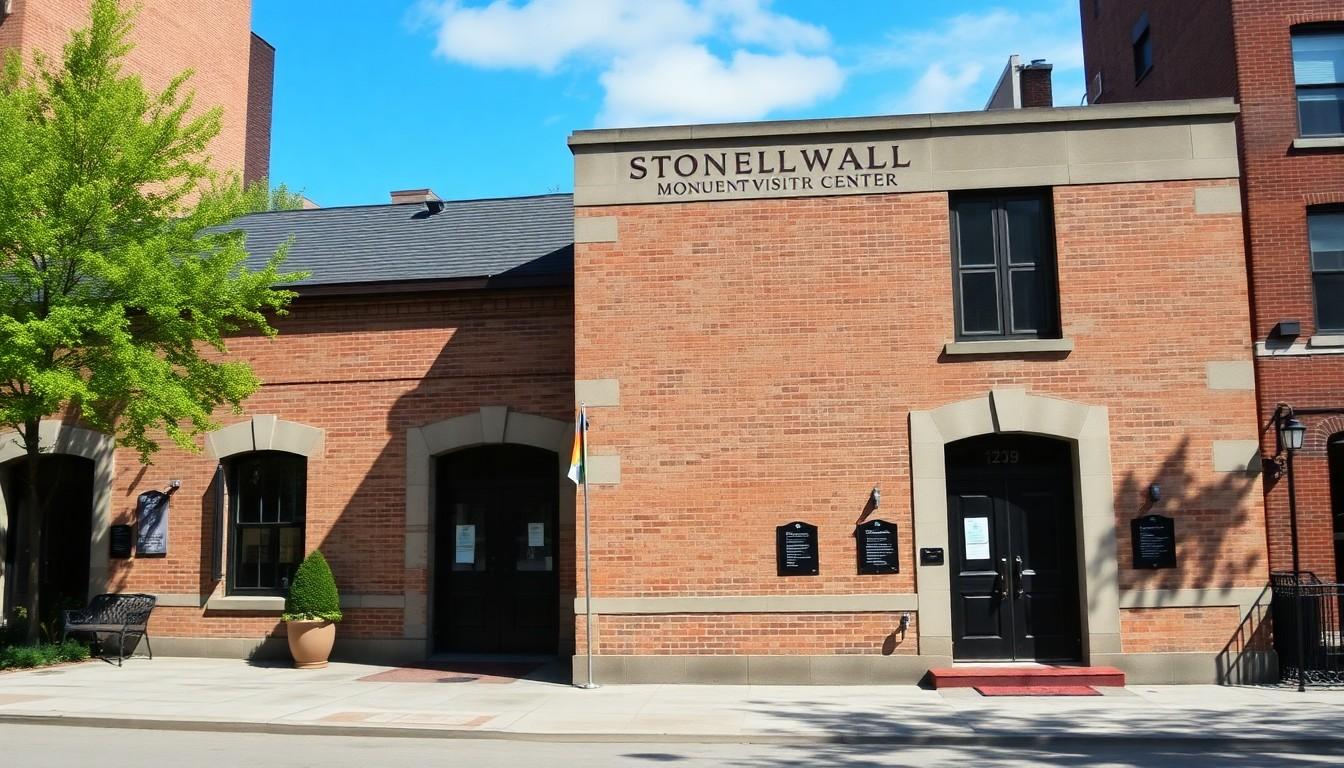
Visitors are turning to New York's Stonewall National Monument Visitor Center for more than a history lesson. Opened in the heart of Greenwich Village, the centre connects the 1969 uprising with today's LGBTQ+ lives, offering a vivid reminder that progress was built by real people, difficult choices and stories worth protecting.
Essential Takeaways
- Stonewall's significance: The 1969 uprising helped galvanise the modern LGBTQ+ rights movement.
- A historic setting: The visitor centre occupies part of the original Stonewall Inn footprint.
- A living museum: Exhibits link past events with present-day community experiences.
- A global draw: Visitors can explore the site, programmes and educational resources in person.
- Preservation is active: Teaching, documenting and sharing stories all help prevent historical erasure.
Stonewall is more than a famous address
Walk through Greenwich Village and Stonewall can look deceptively ordinary: a familiar city building, a busy street and the soft hum of New York life around it. Yet this is where frustration with police harassment boiled over in June 1969, producing six nights of resistance that helped propel LGBTQ+ rights into a new era.
The National Park Service describes Stonewall National Monument as a place where visitors can learn about the uprising and the people connected to it. That setting matters because the story isn't floating somewhere abstract. It's tied to a real corner, real rooms and a community that had grown tired of being pushed into silence.
A plaque can mark an event, but a place can make it feel close. That's the difference many visitors notice when history is encountered on its own ground.
The visitor centre brings the story inside
Stonewall became America's first national monument dedicated to LGBTQ+ rights in 2016. The visitor centre later gave that designation a public-facing home, allowing people to explore the history in a space linked directly to the original Stonewall Inn footprint.
According to the National Parks Conservation Association, the centre was the first LGBTQ+ history visitor centre of its kind at the site. Its role is not simply to display objects behind glass, but to create a fuller account of the people, pressure and protest surrounding the uprising.
That approach is important because sanitised history is still a form of forgetting. Stonewall wasn't a neat, single-night milestone delivered by a handful of famous figures. It was shaped by working-class people, transgender activists, people of colour, drag queens and others whose contributions have too often been flattened in popular retellings.
Why preserving LGBTQ+ history feels urgent
History can disappear in surprisingly quiet ways. A building may survive while its meaning is softened, a classroom may mention an uprising without explaining the discrimination that preceded it, or a movement may be remembered without the people who carried it.
The National Park Service's visitor information places Stonewall within the wider story of LGBTQ+ rights and public memory. Meanwhile, the National Parks Conservation Association frames the centre as an opportunity to recognise the breadth of LGBTQ+ history, not merely one iconic event.
That broader lens is what makes the site feel relevant beyond Pride season. Visitors aren't only looking backwards. They're considering who gets remembered, whose testimony is trusted and what happens when hard-won rights are treated as permanent.
Planning a visit to Stonewall National Monument
The National Park Service recommends checking current visitor information before travelling, as programmes, access details and opening arrangements can change. Stonewall National Monument itself is in Manhattan's Greenwich Village, so it's easy to combine with a wider walk through the neighbourhood.
The visitor centre's own website provides practical information for planning a visit, including location details and ways to learn more before arriving. If you're visiting with children, students or a community group, a little preparation can make the experience more meaningful. Start with the basic timeline, then leave room for questions that don't have tidy answers.
For educators and families, the National Park Service also offers a passport programme connected with national parks. It may sound like a small extra, but these simple tools can turn a day out into a continuing habit of discovery.
Preservation belongs to everyone
Museums and monuments need funding, care and expert stewardship, but preservation doesn't stop at the front door. It happens when someone records an elder's story, challenges a misleading version of events or introduces a young person to the activists who made change possible.
The centre's educational work reflects that wider mission, while public resources from the National Park Service help people continue learning beyond a single visit. Online talks and video material can also make the story accessible to people who can't travel to New York.
There is something quietly powerful about that exchange. A visitor arrives expecting to learn about the past, then leaves with a question about their own responsibility in the present. That's when a memorial becomes more than a landmark.
Stonewall's future will depend not only on preserving bricks and exhibits, but on keeping the truth active, complicated and shared. The next chapter belongs to the people willing to carry it forward.
It's a small site with a very large lesson: history survives when people keep telling it honestly.
Source Reference Map
Story idea inspired by: [1]
Sources by paragraph:
- Paragraph 1: [2], [3]
- Paragraph 2: [2], [4]
- Paragraph 3: [2], [3]
- Paragraph 4: [4], [7]
- Paragraph 5: [2], [3]
- Paragraph 6: [4], [7]
- Paragraph 7: [2], [4]
- Paragraph 8: [2], [3]
- Paragraph 9: [2], [6]
- Paragraph 10: [3], [6]
- Paragraph 11: [2], [6]
- Paragraph 12: [4], [7]
- Paragraph 13: [2], [3]
- Paragraph 14: [3], [4]